How to Edit Wikipedia: Tools, Rules, and Tips for New Contributors
When you want to how to edit Wikipedia, the process is simpler than most think, but the rules are strict to keep the encyclopedia trustworthy. Also known as Wikipedia contribution, it’s not about being an expert—it’s about being careful, citing sources, and respecting the community’s standards. Millions of people fix typos, add missing facts, and update outdated info every day, often using just their phone. You don’t need special training. You just need to know where to look and what to avoid.
Editing Wikipedia isn’t just typing into a box. It’s a system built on Wikipedia templates, pre-made formats like infoboxes and citations that keep articles consistent and reduce errors. Also known as wikitext tools, these templates are why new editors don’t have to learn complex code. Tools like TemplateWizard, a form-based editor that guides you through adding citations or infoboxes without manual syntax, cut editing mistakes by 80%. Then there’s the Wikipedia community, the group of volunteers who review edits, enforce policies, and sometimes revert changes they see as biased or unverified. Also known as Wikipedians, they’re not paid—they care about accuracy, and they notice when someone cuts corners.
Most people think Wikipedia is open to anyone, and it is—but that doesn’t mean anything goes. If you edit a page about your company, your school, or a relative, you must disclose it. That’s the conflict of interest policy, a rule that stops paid promoters and biased contributors from distorting content. If you don’t, your edits get reverted, and you might get blocked. The same goes for copying text from websites—that’s a copyright violation, and bots catch it fast. Wikipedia uses automated tools like copyvio detection systems, software that scans for lifted content and flags it for human review, so don’t paste anything you didn’t write yourself.
And it’s not just about what you add—it’s about how you add it. On mobile, you can fix a broken link or update a birthdate in under a minute. The Wikipedia mobile editing, the version of the site optimized for phones and tablets works fine for small changes, but for bigger edits, desktop gives you more control. You’ll also want to check the article’s talk page before making major changes. That’s where editors debate what should be included, and ignoring it is a common mistake new contributors make.
Wikipedia doesn’t reward speed. It rewards accuracy. You don’t need to edit 100 articles to matter. One well-sourced fix to a high-traffic page can reach thousands. The system is built so that even quiet, careful editors can have a huge impact. That’s why librarians, teachers, and researchers—people trained to verify facts—make such strong contributors. They know how to find reliable sources, and they know how to write clearly. You don’t need to be one of them to start, but you do need to act like them.
Below, you’ll find real guides on how to use Wikipedia’s tools, how to avoid common traps, and how to make edits that stick. Whether you’re fixing a typo on your phone or learning how to build a citation template, these posts show you exactly how it’s done—no theory, no fluff, just what works.
A Beginner’s Guide to Editing Wikipedia Articles Responsibly
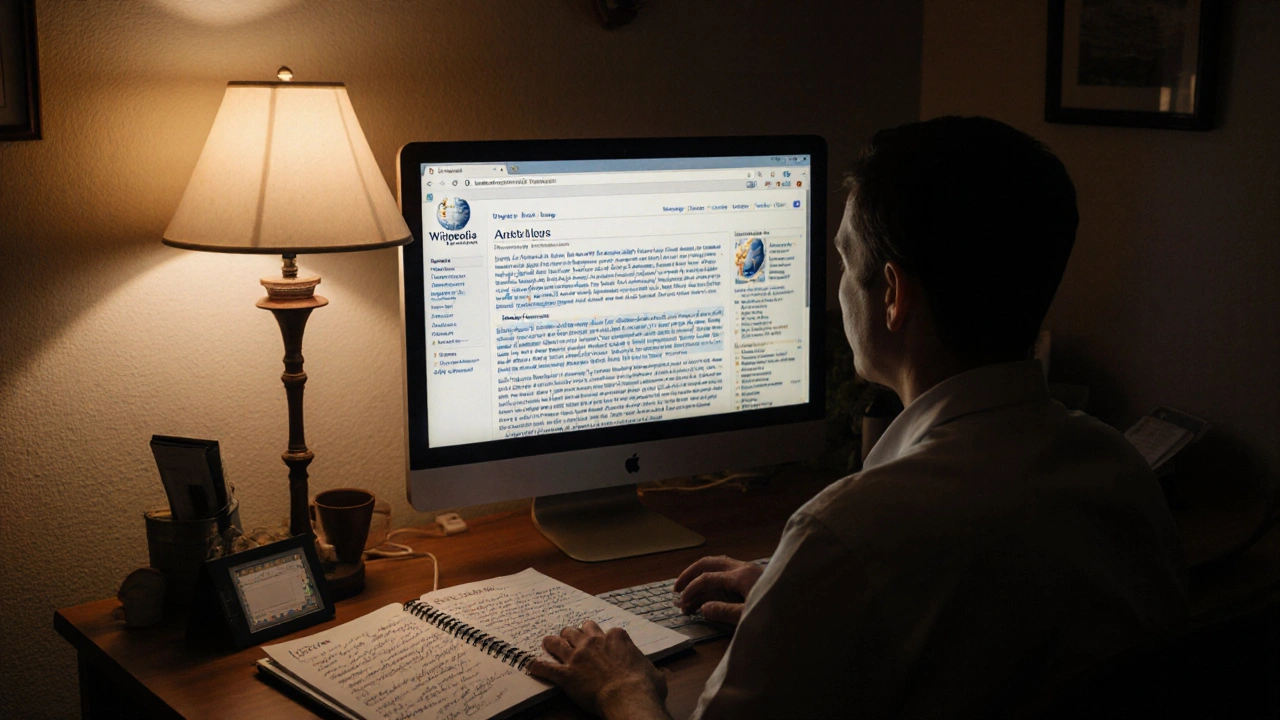
Learn how to edit Wikipedia responsibly with practical steps for beginners. Fix typos, cite sources, avoid common mistakes, and contribute to the world's largest encyclopedia without getting blocked.