Librarians and Wikipedia: How Librarians Shape Online Knowledge
When you read a Wikipedia article, you’re not just seeing words—you’re seeing the work of librarians, professional knowledge organizers who help verify facts, teach research skills, and guide contributors to reliable sources. Also known as information professionals, they’re the unsung backbone of Wikipedia’s credibility. These aren’t just people who shelve books. They’re the ones who teach college students how to cite properly, who audit articles for biased language, and who push back when AI-generated nonsense tries to slip in as fact. Wikipedia doesn’t have editors in white coats, but it has librarians—and they’re everywhere.
Librarians don’t just use Wikipedia; they fix it. They run workshops at universities, turning student papers into real Wikipedia edits. The Wikimedia Student Editors Program, a global initiative that trains students to improve Wikipedia using academic research, was built with heavy input from librarians. They know what a good source looks like—and they won’t let a Wikipedia article stand if it’s missing one. That’s why Wikipedia’s sourcing standards, the strict rules requiring verifiable references for every claim—a model now used by AI companies—are so strong. Librarians helped design them. They know that a confident-sounding sentence means nothing without a citation from a newspaper, journal, or official report.
And it’s not just about citations. Librarians monitor Wikipedia talk pages, the discussion spaces where editors debate article quality and resolve disputes to catch bias, missing context, or outdated info. They use tools like WikiProject assessment guidelines, a system that rates article quality from stub to featured status to help new editors understand what good looks like. When local news outlets disappear, librarians step in to find alternative sources so events in small towns don’t vanish from the record. They’re the reason Wikipedia doesn’t just reflect the loudest voices—it tries to include the most accurate ones.
You won’t find them on the front page of The Signpost. But if you’ve ever read a Wikipedia article that felt trustworthy, chances are a librarian had a hand in it. They’re the reason Wikipedia stays useful when everything else is spinning misinformation. Below, you’ll find a collection of articles that show exactly how librarians, researchers, and everyday editors work together to keep the world’s largest encyclopedia honest, accurate, and open to everyone.
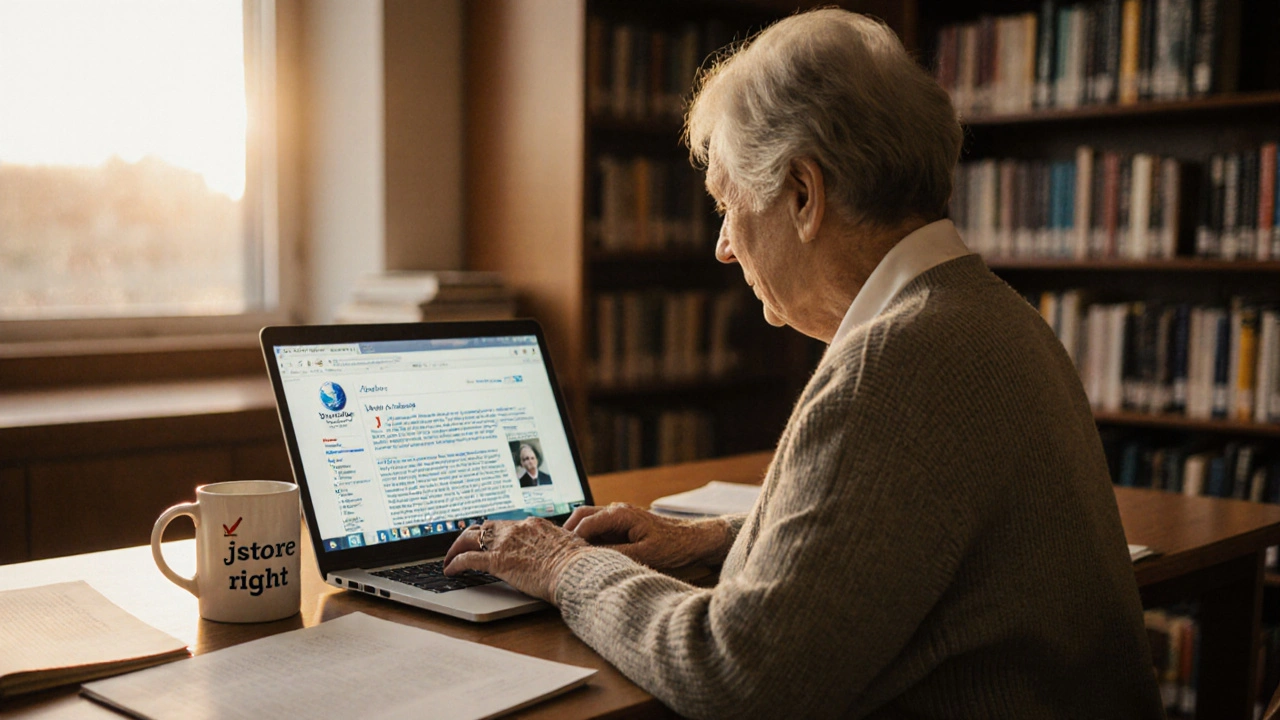
How Librarians and Educators Shape Wikipedia's Community and Content
Librarians and educators are the hidden backbone of Wikipedia, ensuring accuracy, neutrality, and reliability. Their training in research and teaching makes them vital contributors to the world's largest encyclopedia.