Wikipedia isn’t just a website with articles. It’s a living community of hundreds of thousands of volunteers who edit, discuss, and defend the world’s largest free encyclopedia. But behind every edit is a person - and people bring their biases, frustrations, and sometimes their hostility. That’s why Wikipedia’s community safety and friendly spaces policies aren’t optional extras. They’re the foundation that keeps the site running.
Why Wikipedia Needs Safety Policies
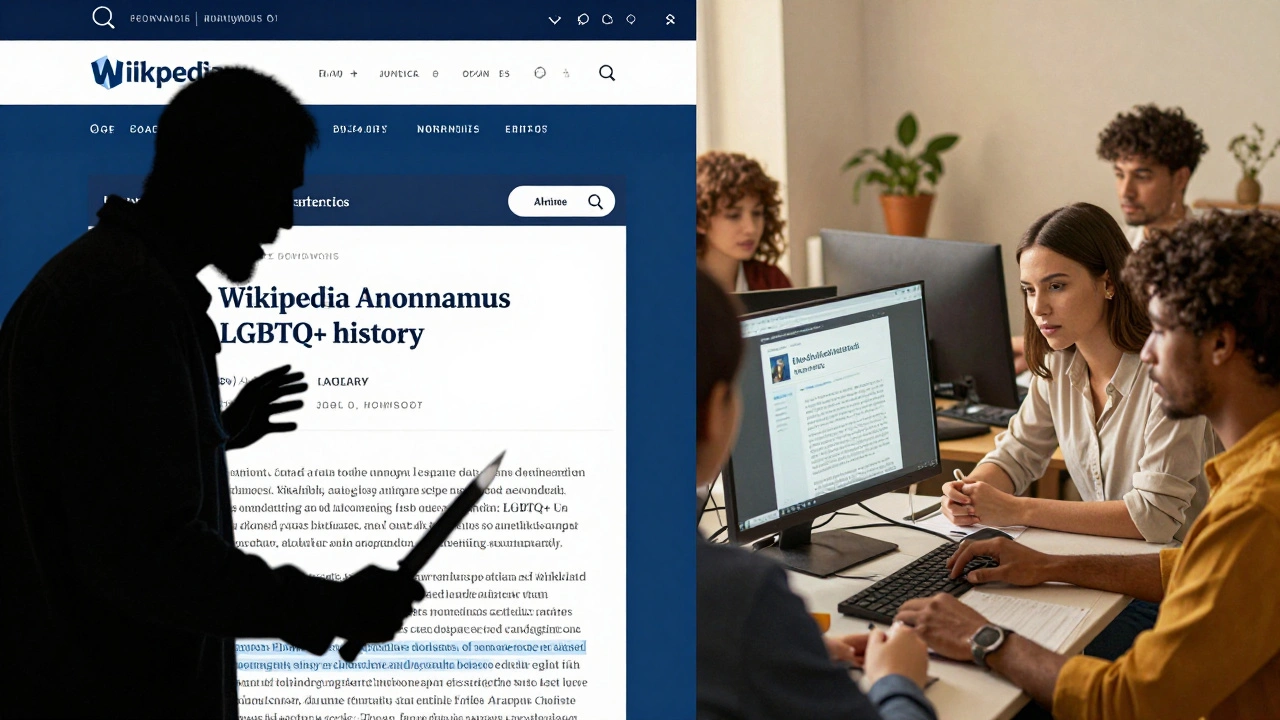
Imagine trying to write a detailed article about LGBTQ+ history while being bombarded with personal attacks, slurs, or threats from other editors. Or imagine being a new contributor who makes a simple formatting mistake, only to be told they’re "stupid" or "wasting everyone’s time." These aren’t hypotheticals. They happen daily.
Wikipedia’s success depends on consistent, high-quality contributions. But without safety policies, those contributions dry up. Studies from the Wikimedia Foundation show that over 30% of female editors and nearly half of non-binary editors have left Wikipedia because of hostile behavior. That’s not just a loss of voices - it’s a loss of knowledge. When people don’t feel safe, they stop editing. And when they stop editing, Wikipedia becomes less accurate, less diverse, and less reliable.
What the Friendly Spaces Policy Actually Says
The Friendly Spaces Policy isn’t a vague suggestion. It’s a binding rule enforced across all Wikimedia projects. It requires everyone - editors, administrators, even readers - to treat others with respect. That means no personal attacks, no harassment, no discrimination based on gender, race, religion, sexual orientation, disability, or any other identity.
It also covers indirect harm. For example, repeatedly undoing someone’s edits without discussion, using coded language like "you don’t belong here," or creating edit wars to exhaust a contributor into quitting. These aren’t just "bad vibes." They’re violations.
The policy applies everywhere: article talk pages, user talk pages, mailing lists, IRC channels, and even off-wiki spaces where editors identify themselves as part of the Wikimedia community. If you’re acting as a Wikipedia editor, you’re held to this standard - no matter where you are.
How Policies Are Enforced
Wikipedia doesn’t have a corporate HR department. Enforcement relies on volunteers. But that doesn’t mean it’s weak. The system is built on layers:
- Community self-policing: Most issues are resolved through discussion. An editor can leave a polite note on someone’s talk page asking them to tone it down.
- Administrator intervention: If the behavior continues, administrators can issue warnings, block accounts temporarily, or restrict editing privileges on specific articles.
- Arbitration Committee: For serious, long-running conflicts, the Arbitration Committee - a group of experienced editors elected by the community - can impose long-term bans, restrict editing rights, or even dissolve entire user groups.
Enforcement isn’t perfect. It’s slow, inconsistent, and sometimes biased. But it’s the best system we have. Over 1,200 formal arbitration cases have been opened since 2004. Around 60% of those resulted in sanctions - ranging from temporary blocks to permanent bans.
Real Examples That Changed the Game
One of the most visible turning points came in 2018, when a high-profile editor known for aggressive behavior toward women and minorities was permanently banned after a 14-month arbitration case. The case drew international attention and forced the Wikimedia Foundation to publicly support the policy.
Another example is the rise of the Conflict of Interest guidelines. Before 2015, corporate PR teams and lobbyists routinely edited Wikipedia pages about their companies. That changed after a series of investigations exposed systematic manipulation. Now, any paid editing must be disclosed. Editors who hide conflicts face automatic blocks.
These aren’t isolated incidents. They’re part of a pattern: when the community stands up, change happens.
What Happens When Policies Are Ignored
When safety policies aren’t taken seriously, the damage spreads.
Articles about marginalized groups - like transgender people, Indigenous communities, or women in science - are often targeted for vandalism, biased sourcing, or edit wars. In 2023, researchers found that articles on women’s history were edited 47% more frequently by anonymous users than articles on men’s history. That’s not coincidence. It’s pattern.
And it’s not just about content. It’s about trust. If someone reads a Wikipedia article about climate change and sees a comment on the talk page saying "you’re a liar," they don’t just lose faith in that one editor. They lose faith in the whole platform.
How You Can Help
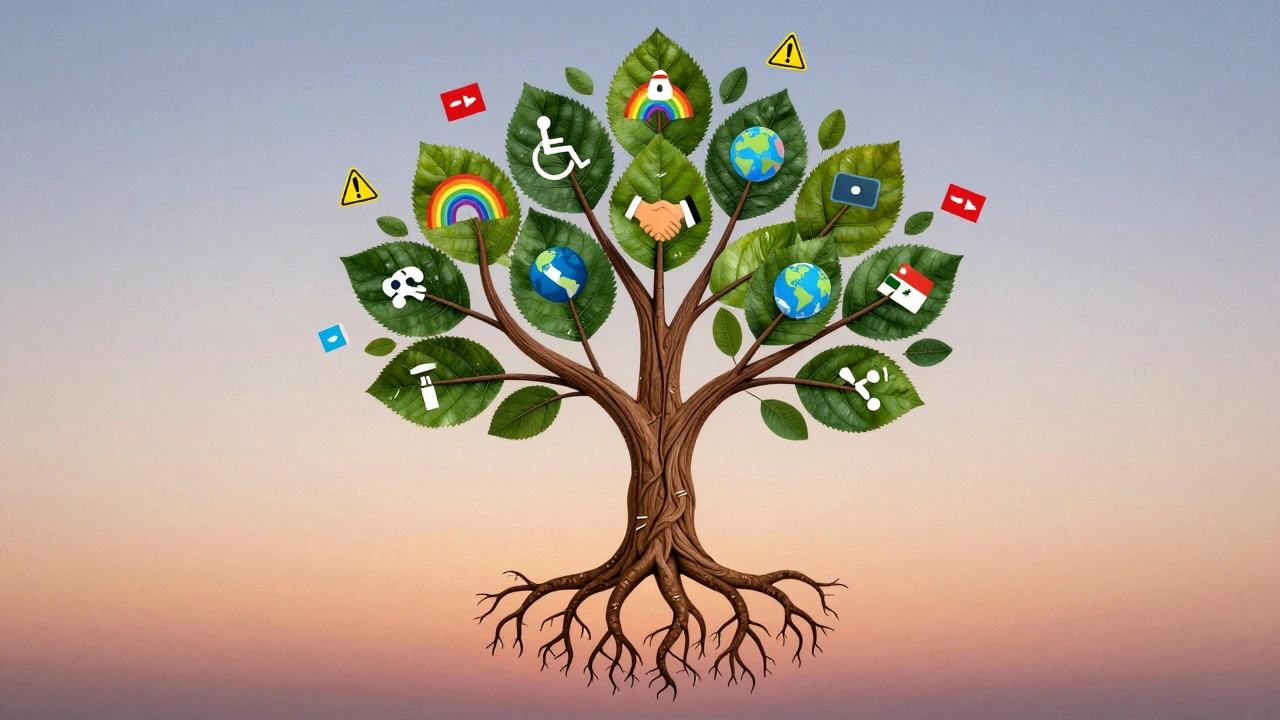
You don’t need to be an admin to make Wikipedia safer. Here’s what anyone can do:
- Report bad behavior. Use the "Report abuse" button on any user talk page.
- Don’t engage. If someone is being hostile, don’t reply. It fuels the fire. Instead, document it and report.
- Be a good example. Use neutral language. Acknowledge good edits from others. Say "thank you" when someone improves an article.
- Support newcomers. New editors make mistakes. Help them, don’t shame them.
- Join the conversation. Attend community discussions on policy updates. Your voice matters.
Wikipedia doesn’t work because of algorithms. It works because of people. And people need to feel safe to do their best work.
The Bigger Picture
Wikipedia’s safety policies are part of a global shift in how online communities operate. Other platforms have tried to silence dissent with heavy moderation. Wikipedia’s approach is different: it tries to build a culture of mutual respect.
It’s not easy. It’s messy. But it’s working. Since 2020, reports of harassment have dropped by 22%, and editor retention among underrepresented groups has increased by 15%. Those numbers aren’t perfect - but they’re moving in the right direction.
The real test? What happens next. Will the community double down on inclusion? Or will it retreat into silence? The answer isn’t written in policy documents. It’s written in every edit, every comment, every quiet act of kindness.
What happens if I’m accused of violating the Friendly Spaces Policy?
You’ll receive a formal notice explaining the complaint. You’ll have a chance to respond. Most cases are resolved through mediation or a warning. If the behavior continues, you may be blocked from editing. Permanent bans are rare and only used for repeated, severe violations. The process is public and documented.
Can I edit articles about myself or my organization?
You can, but you must disclose any conflict of interest on your user page and on the article’s talk page. Paid editing without disclosure is a serious violation and will result in a block. The community prefers independent editors to write about organizations - it keeps content neutral and trustworthy.
Are anonymous users held to the same rules?
Yes. Anonymous users (those without logged-in accounts) are subject to the same policies. Their IP addresses can be blocked if they engage in harassment, vandalism, or persistent disruption. Many administrators treat anonymous users with extra caution because they can’t be held accountable long-term - but that doesn’t mean they’re exempt.
How do I report harassment on Wikipedia?
Go to the user’s talk page, click the "Report abuse" button, and select the reason. You can also file a report at Wikipedia:Administrators’ Noticeboard. Include links to the problematic edits and explain what happened. Reports are reviewed by volunteer administrators within 48 hours.
Do safety policies stifle free speech?
No. Wikipedia protects the freedom to debate ideas - even controversial ones. But it doesn’t protect attacks on people. You can argue that a historical figure was flawed. You can’t call their descendants "trash." The policy targets behavior, not opinion. Healthy disagreement is encouraged. Personal abuse is not.