Museums and Wikipedia: How Cultural Institutions Shape and Use Open Knowledge
When you visit a museum, a public institution that collects, preserves, and displays objects of cultural, historical, or scientific significance. Also known as cultural heritage center, it holds artifacts that millions will never see in person. But thanks to partnerships with Wikipedia, a free, collaborative online encyclopedia built by volunteers worldwide. Also known as the free encyclopedia, it, those objects now live in digital form for anyone with an internet connection. This isn’t just about uploading photos—it’s about turning static exhibits into dynamic, verifiable knowledge that students, researchers, and curious visitors can explore anytime.
Many museums now use Wikimedia Commons, a media repository where freely licensed images, videos, and audio files are stored for use across all Wikimedia projects. Also known as free media archive, it to share high-resolution scans of paintings, fossils, tools, and documents. These aren’t just random uploads—they follow strict copyright rules. Items must be in the public domain or licensed under Creative Commons. That’s why you’ll find thousands of digitized artifacts from the Smithsonian, the British Museum, and regional galleries all linked directly to Wikipedia articles. Editors use these files to add context to entries on artists, historical events, or extinct species, making Wikipedia richer and more accurate. In return, museums get wider visibility, deeper public engagement, and a way to extend their educational reach beyond physical walls.
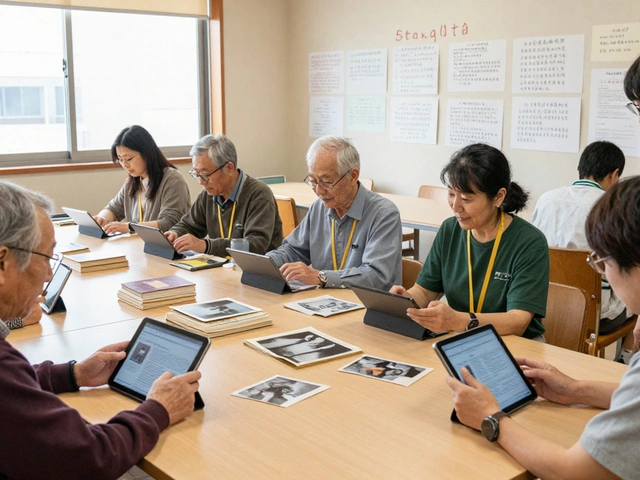
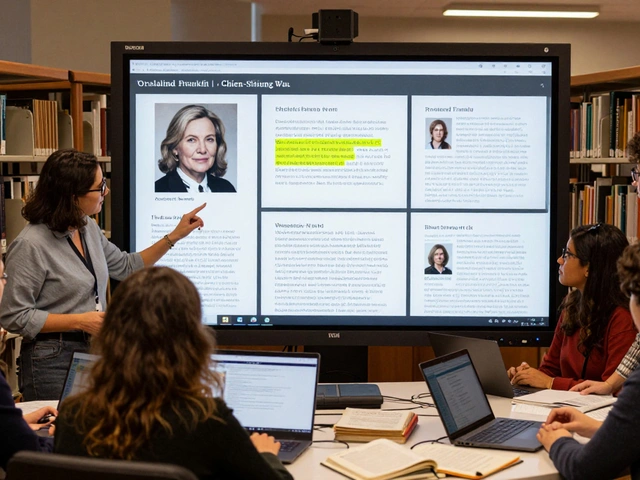
It’s not one-way traffic. Museums also train staff and volunteers to edit Wikipedia, turning curators into knowledge contributors. These edit-a-thons often focus on underrepresented topics—women in science, indigenous artifacts, colonial history—helping fix gaps in global knowledge. Some institutions even run formal programs where students write Wikipedia articles based on primary sources from museum archives. This turns research into public service. And when news outlets cite Wikipedia, they’re often pulling from sources that originally came from a museum’s collection. That’s why accuracy matters: a mislabeled artifact or incorrect date on Wikipedia can spread fast. That’s why museums now have formal review processes before releasing images or data.
The connection between museums and Wikipedia is growing because both value openness, collaboration, and public access. You don’t need to be a historian to help. If you’ve ever looked up a painting on Wikipedia and wondered who took the photo, chances are it came from a museum’s digitization project. And if you’ve ever edited an article to fix a typo or add a citation, you’ve helped keep that connection alive. Below, you’ll find real examples of how museums, educators, and volunteers are working together to make the world’s knowledge more complete, more accurate, and more accessible to everyone.
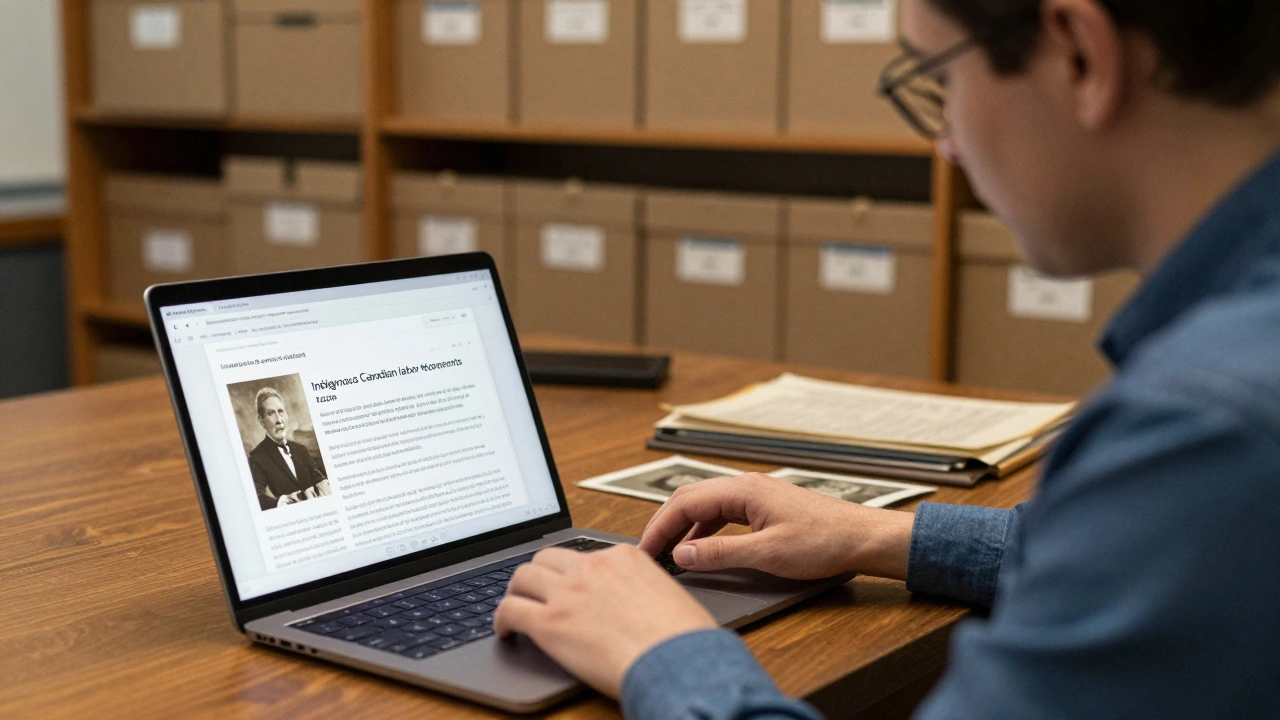
GLAM-Wiki Partnerships: Recent Collaborations with Wikipedia
GLAM-Wiki partnerships connect museums, libraries, and archives with Wikipedia to improve public knowledge. Recent collaborations have expanded access to cultural heritage, corrected historical biases, and empowered underrepresented communities.