News Reporting on Wikipedia: How Open Knowledge Gets Verified and Shared
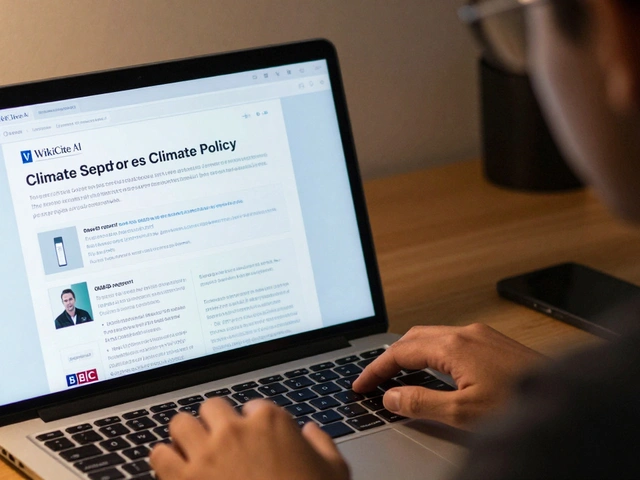
When you read a breaking story on news reporting, the process of gathering, verifying, and publishing factual accounts of current events. Also known as journalism, it’s not just what you see on TV or in newspapers—it’s also happening quietly on Wikipedia and its sister projects, where volunteers act as both reporters and fact-checkers. Unlike traditional outlets, Wikipedia’s approach to news doesn’t rely on paid staff or corporate ownership. Instead, it’s built by people who care enough to check sources, correct errors, and update articles as events unfold. This isn’t guesswork. It’s a system built on transparency, community review, and strict rules about what counts as evidence.
One of the clearest examples of this is Wikinews, a volunteer-run news site that publishes original reporting using open collaboration. It’s not a summary of other news—it’s original writing based on primary sources, updated live as new information arrives. You won’t find ads or opinion pieces here. Just facts, sourced and cited. And it’s not alone. Behind the scenes, Wikipedia editors, volunteers who maintain and improve encyclopedia articles. Also known as Wikipedians, they rush to update major event pages during crises—from elections to natural disasters—following strict policies on reliable sources. They don’t just copy headlines. They track down press releases, official statements, and peer-reviewed reports to make sure what’s written is accurate. This is why, when a major event happens, Wikipedia often becomes the most up-to-date and neutral source available.
But it’s not just about speed. It’s about trust. The same people who edit Wikipedia articles also monitor for misinformation. Tools like Huggle, a real-time tool used to detect and revert vandalism and false edits help keep the site clean. And when the press gets it wrong—like when a hoax article gets cited by a major outlet—editors respond by fixing the record and warning others. This is where citizen journalism, public participation in news gathering and reporting becomes powerful. You don’t need a press pass. You just need to care enough to verify, cite, and correct.
What you’ll find in the articles below is a behind-the-scenes look at how this system works. From how Wikinews recruits new volunteers, to how editors handle breaking news during outages, to why preprints are banned as sources—you’ll see the real rules, tools, and people keeping Wikipedia’s news reporting honest. This isn’t about replacing traditional media. It’s about offering something different: a public, transparent, and constantly improving record of what’s happening in the world—written by people who don’t get paid to do it, but who believe knowledge should be free and accurate.
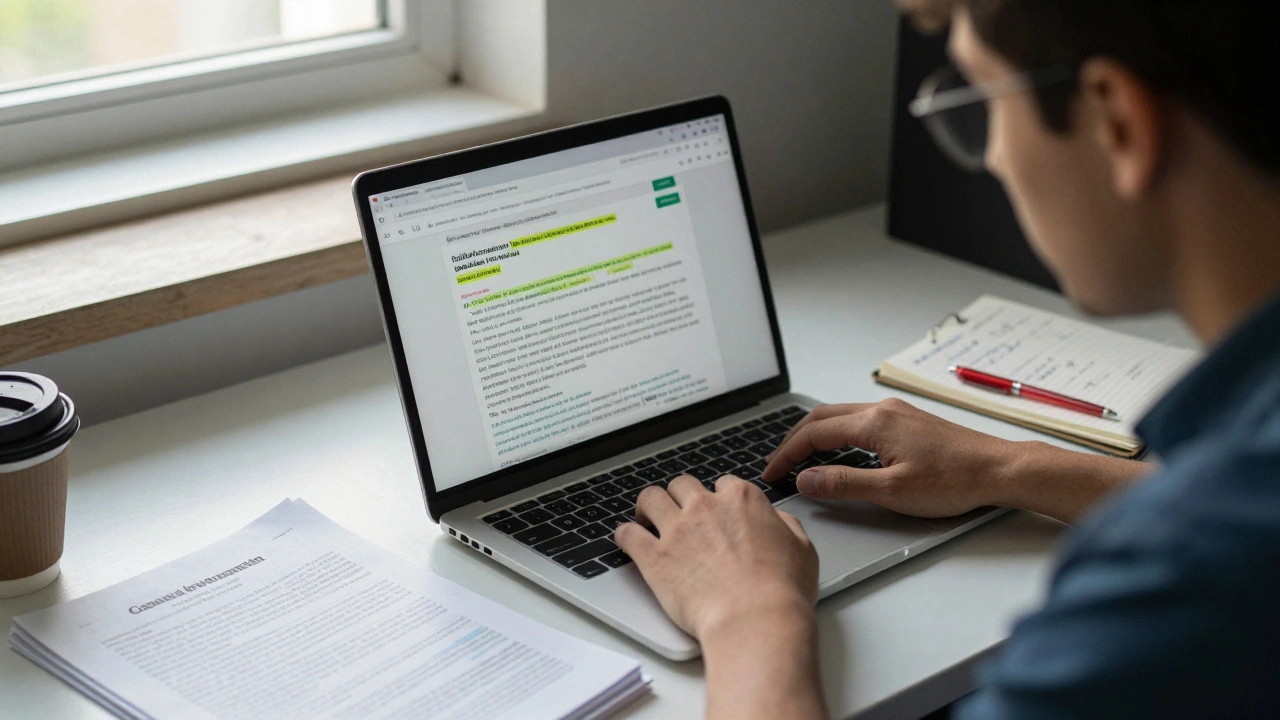
How to Properly Cite Wikipedia in News Stories
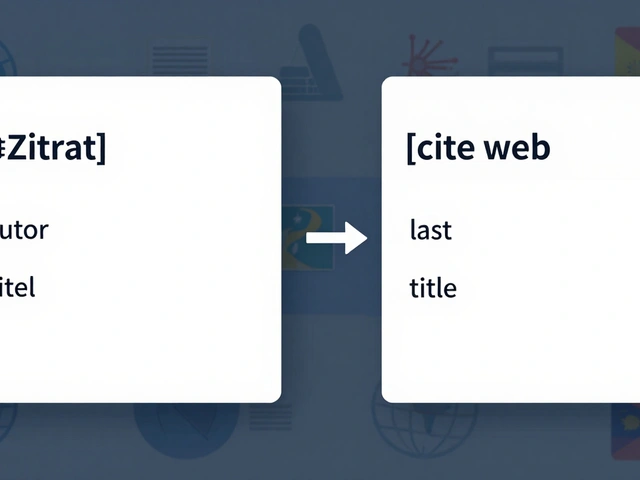
Learn how to properly attribute information from Wikipedia in news stories without compromising credibility. Discover why tracing sources matters and how to avoid common journalism mistakes.