Regional Outreach on Wikipedia: How Local Communities Shape Global Knowledge
When we talk about regional outreach, efforts to grow Wikipedia’s editor base and content in underrepresented parts of the world. Also known as local engagement, it’s not just about getting more people to edit—it’s about making sure the world’s knowledge reflects where people actually live. Most Wikipedia content still comes from North America and Europe, even though over half the planet’s internet users don’t live there. That gap isn’t accidental. It’s the result of uneven access to technology, language barriers, and systems that favor existing power structures.
Regional outreach tries to fix that by working directly with communities—libraries in Nigeria, universities in Indonesia, women’s groups in Latin America—who want to document their history, language, and culture. These efforts don’t just add articles. They change what counts as knowledge. A village festival in rural India, a traditional healing practice in Peru, or a local dialect in Papua New Guinea might never make it into Wikipedia unless someone from that region decides it matters enough to write about. Tools like mobile editing apps and TemplateWizard help lower the technical barrier, but the real engine is local trust. Someone from the community is far more likely to know which sources are real, which names are correct, and which stories are worth telling.
This isn’t just about adding more articles. It’s about language parity, how evenly knowledge is distributed across Wikipedia’s 300+ language editions. Also known as content equity, it means a Swahili speaker should have the same depth of information as an English speaker—not just the same number of articles, but the same quality, detail, and relevance. And it’s not just about language. It’s about geographic bias, how the physical location of editors shapes what gets written. A city in Germany might have 50 detailed articles about its parks, while a town in Bangladesh with twice the population has none. That imbalance isn’t neutral. It shapes how the world sees itself.
Regional outreach isn’t a side project. It’s central to Wikipedia’s survival. If the platform only reflects the views of a few wealthy countries, it loses credibility everywhere. That’s why groups like Wikimedia chapters and volunteer collectives spend years building relationships, running edit-a-thons, training educators, and even lobbying for internet access in remote areas. These aren’t flashy campaigns. They’re quiet, persistent, and deeply human. The result? More accurate maps, better coverage of global politics, and a Wikipedia that actually looks like the world.
Below, you’ll find articles that dig into how this work actually happens—from how editors verify local elections to how tools are built for people on slow connections. You’ll see how culture shapes content, how bias hides in plain sight, and why fixing this isn’t just fair—it’s necessary.
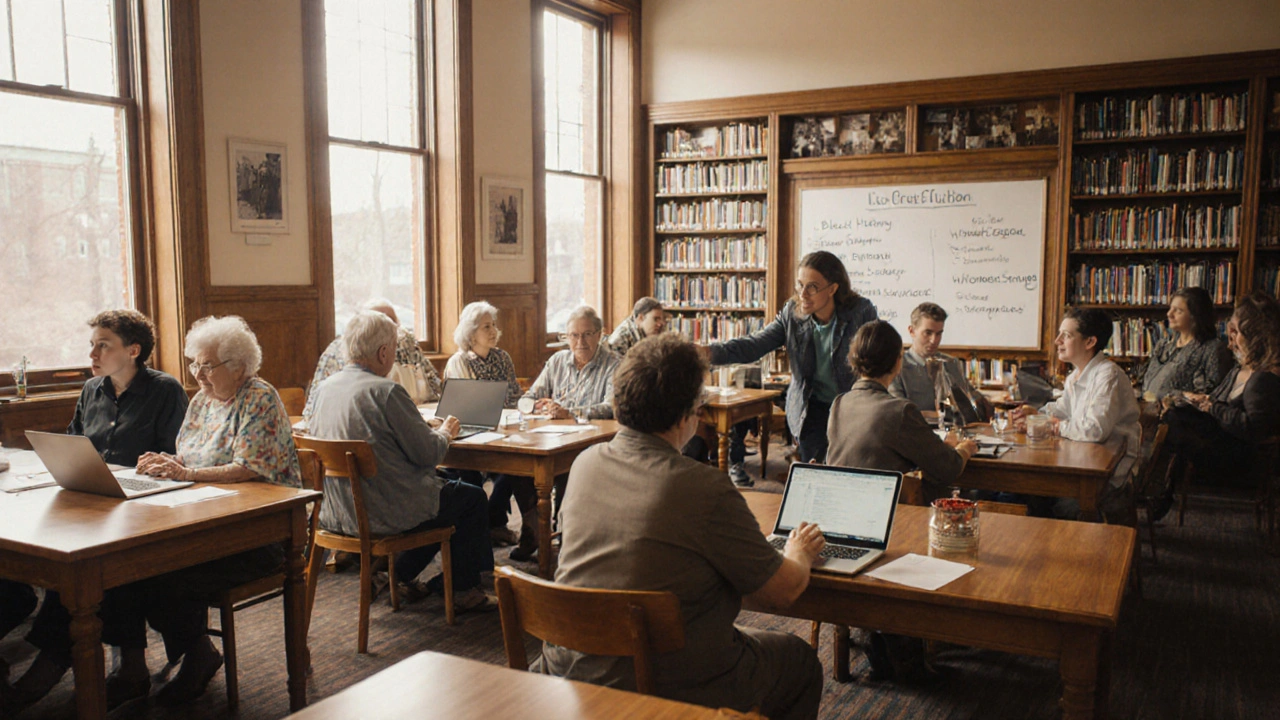
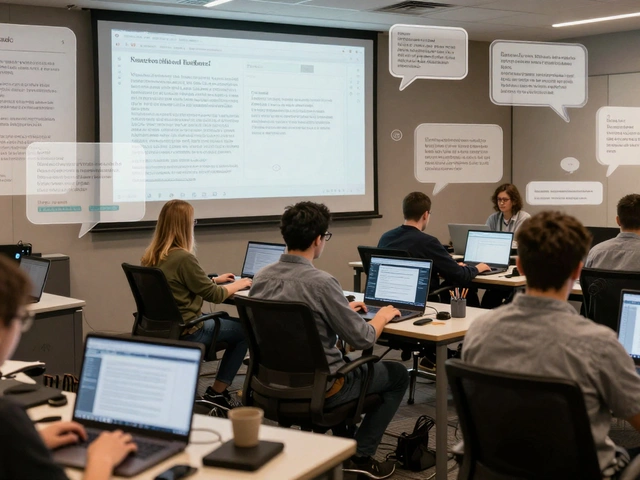
Regional Outreach: How Edit-A-Thons and Training Grow New Wikipedia Editors
Edit-A-Thons and targeted training are breaking down barriers for new Wikipedia editors, especially in underrepresented regions and communities. Learn how simple, local outreach is reshaping who gets to write history.