Seasonal Tourism and How Wikipedia Tracks Its Impact
When people flock to beaches in summer or ski resorts in winter, they don’t just book trips—they look up facts. Seasonal tourism, the predictable surge in travel tied to weather, holidays, or cultural events. It’s not just about hotels and flights—it’s about what people want to know before they go. From the cherry blossoms in Kyoto to the Northern Lights in Tromsø, these peaks in travel drive spikes in Wikipedia pageviews. And behind every view, there’s an editor checking sources, updating stats, or fixing outdated info about local festivals, transport schedules, or climate risks.
Wikipedia pageviews, the real-time measure of what the public is curious about act like a pulse check for seasonal tourism. During Christmas, articles on nativity scenes in Bethlehem or Christmas markets in Germany jump. In July, pages about national parks in the U.S. or beach safety in Australia get heavy traffic. These aren’t random. They’re signals. And Wikipedia’s volunteer editors respond—not with ads or algorithms, but by manually verifying sources, adding citations, and rolling back misinformation. That’s why a page on "Easter Island tourism" might get updated after a new flight route launches, or why "Diwali in India" gets extra references before the festival even begins.
It’s not just about numbers. Cultural heritage, the traditions, crafts, and local events tied to seasonal travel often get overlooked by mainstream media. But on Wikipedia, small communities use edit-a-thons and GLAM-Wiki projects to add their stories. A village in Peru might document its annual harvest festival. A library in Norway might upload photos of winter solstice rituals. These aren’t just edits—they’re acts of preservation. And they show up in search results when someone types "what to do in Lapland in December." Meanwhile, public interest trends, patterns revealed by aggregated Wikipedia traffic data help organizers plan events, researchers study behavior, and even cities manage crowds.
What you’ll find below are real examples of how Wikipedia turns seasonal tourism from a buzzword into something measurable, accurate, and alive. You’ll see how editors handle the chaos of holiday spikes, how they protect articles from vandalism during peak seasons, and how tools like edit filters and pending changes keep things reliable—even when millions are looking. This isn’t just about travel. It’s about how a global network of volunteers keeps knowledge current, fair, and useful—no matter the season.
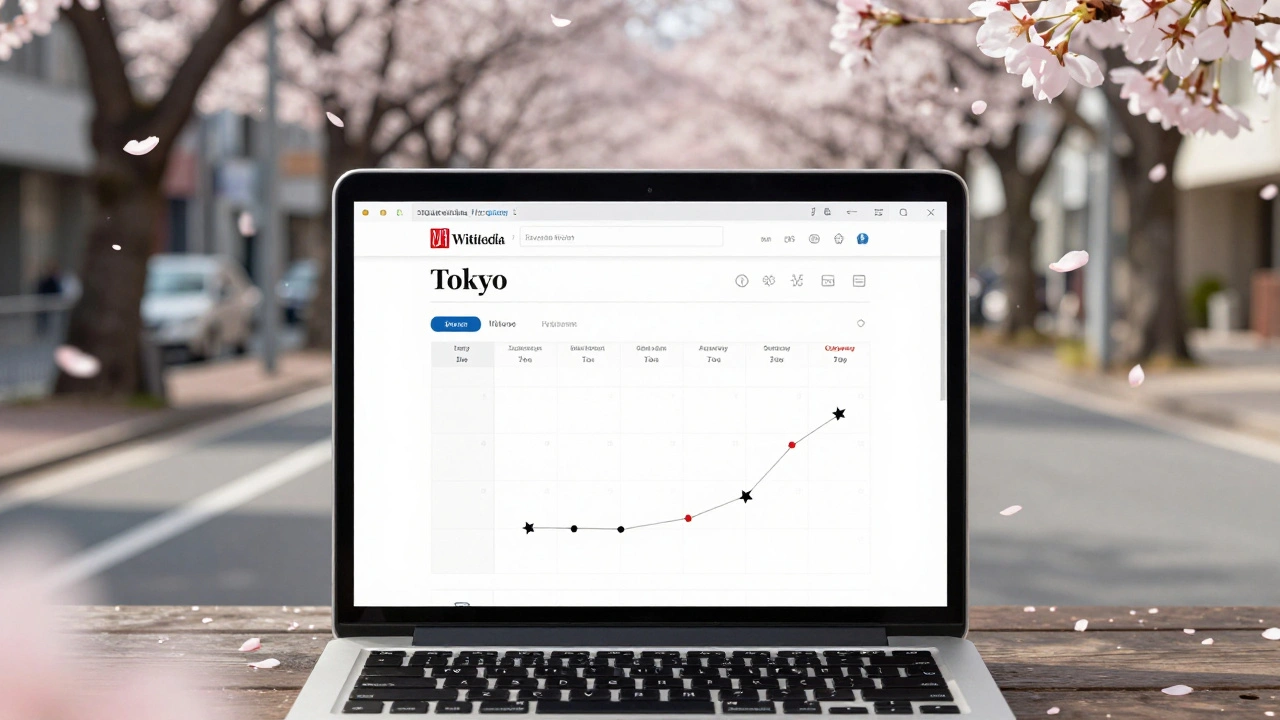
How Tourism Seasons Shape Wikipedia Destination Pages
Wikipedia destination pages reflect real-world tourism seasons through edits, updates, and user contributions. Learn how travel patterns shape content - and how you can help make them more accurate.