Source Verification on Wikipedia: How Reliable Facts Are Confirmed
When you see a fact on Wikipedia, it didn’t just appear. It was source verification, the process of checking claims against published, reliable materials before they’re added to an article. Also known as citation-based editing, it’s the backbone of everything Wikipedia stands for—accuracy over speed, evidence over opinion. Without it, Wikipedia would be just another collection of unverified claims. But because every edit must tie back to a trustworthy source, the site stays more reliable than most paid encyclopedias or AI summaries that can’t explain where their answers come from.
Source verification isn’t about using any old article or blog post. It’s about secondary sources, published works like academic journals, books from reputable presses, or major news outlets that analyze and interpret events. These are preferred because they’re written by experts who’ve already fact-checked the original material. Primary sources, like raw data, interviews, or personal blogs, are allowed too—but only when used carefully. Relying on them too much is why journalists get in trouble when they treat Wikipedia as a primary source. The real power of Wikipedia is that it points you to the real sources—the ones you can click, read, and verify yourself.
This system doesn’t just protect Wikipedia—it protects you. When you’re researching a medical condition, a political event, or even a local history topic, you’re trusting that someone checked the facts before they went live. That’s why surveys show people still trust Wikipedia more than AI encyclopedias: it doesn’t guess. It shows its work. And when a source doesn’t hold up? Editors remove it. When bias creeps in? Task forces step in to fix it. When copyright claims erase good content? Volunteers fight to restore it. This isn’t magic. It’s a community that shows up, day after day, to make sure what you read is real.
You’ll find posts here that dig into how this system works in practice—from how the Signpost picks stories based on impact, not clicks, to how the copy editing backlog gets cleared by volunteers who check every comma and citation. You’ll see how Wikidata helps link facts across languages so the same verified data shows up everywhere. And you’ll learn why due weight matters: not every opinion gets equal space, only every well-supported viewpoint. This isn’t about rules for the sake of rules. It’s about building a knowledge base that lasts—because someone, somewhere, needs to know the truth.
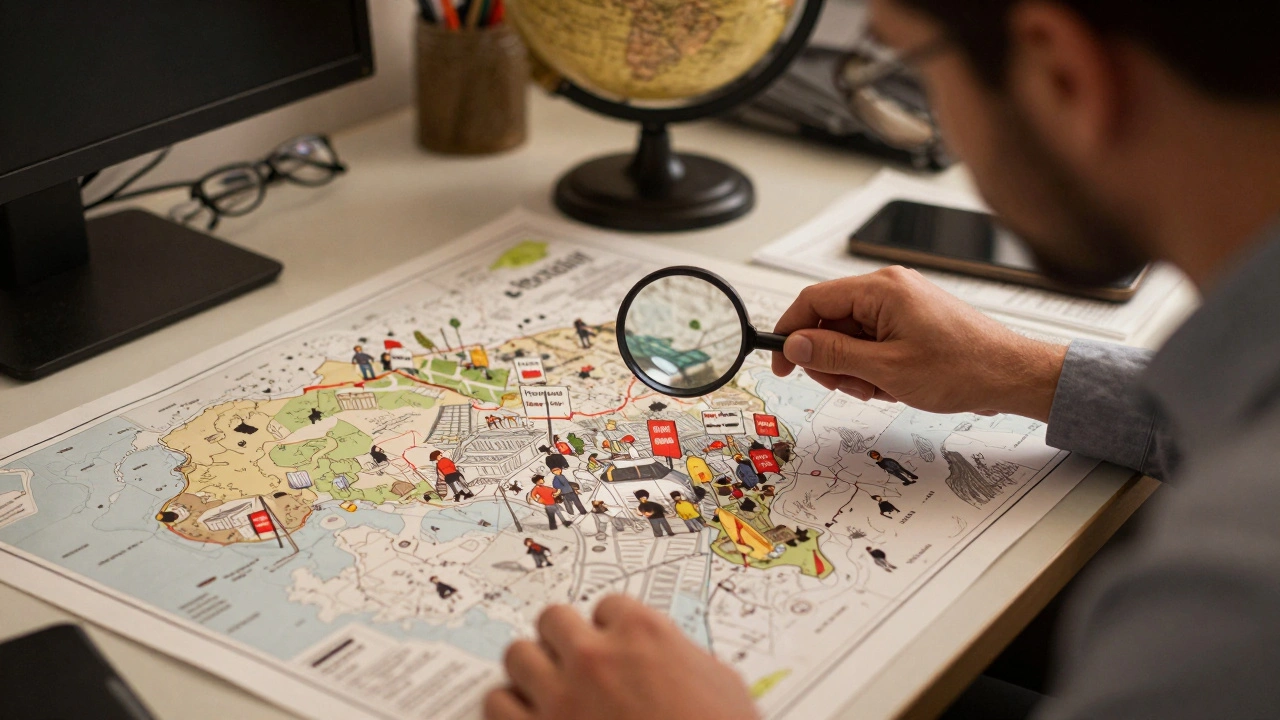
Journalist's Guide to Non-English Wikipedia Editions for International Reporting
Journalists can enhance accuracy by using non-English Wikipedia editions. Learn how to access, verify, and translate information while avoiding common pitfalls. This guide covers cultural context, translation tools, and practical tips for better reporting.
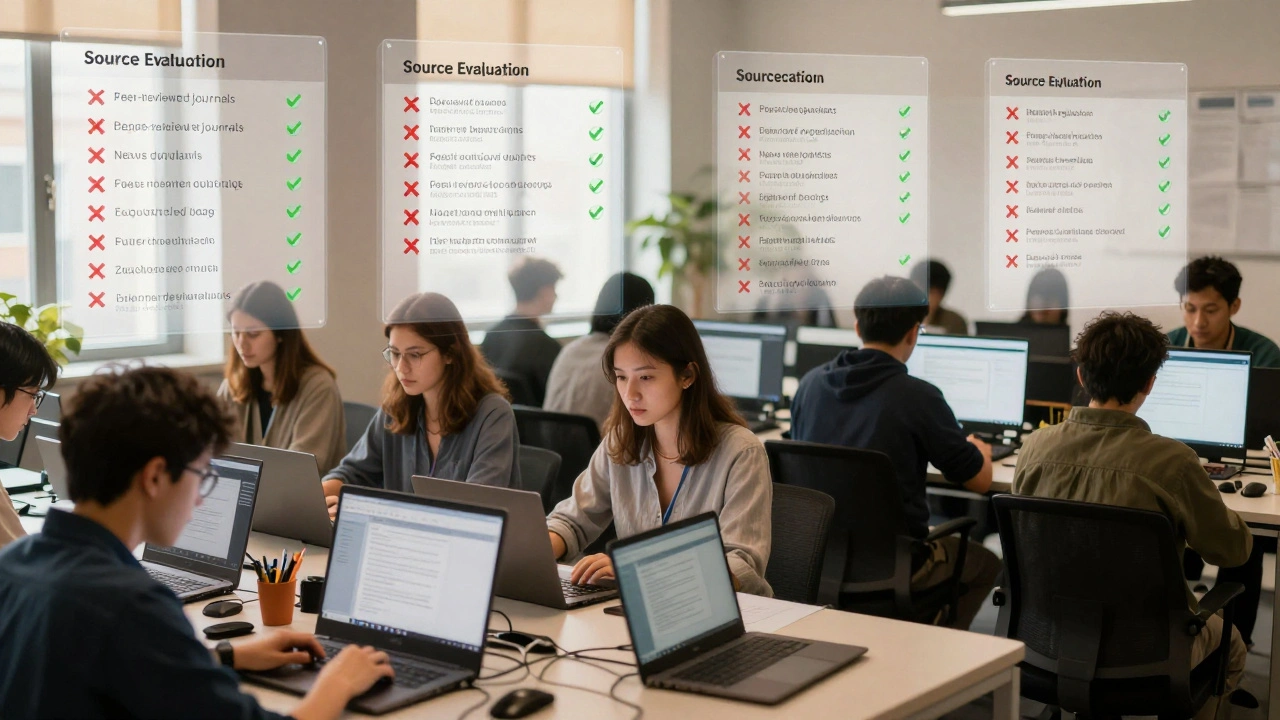
Reliable Sources Noticeboard: How Community Decisions Shape Source Quality
The Reliable Sources Noticeboard is Wikipedia's community-driven system for evaluating source quality. Learn how volunteers decide what sources are trustworthy-and why it matters for everyone who uses online information.
Source Lists in AI Encyclopedias: How Citations Appear vs What’s Actually Verified
AI encyclopedias show citations that look credible, but many don't actually support the claims. Learn how source lists are generated, why they're often misleading, and how to verify what's real.