Task Force on Wikipedia: How Volunteer Groups Drive Change
When you think of Wikipedia, you might picture a lone editor fixing a typo. But behind the scenes, task force, a group of volunteer editors organized to solve a specific problem on Wikipedia. Also known as working group, it brings together people with shared goals—whether it’s fighting vandalism, improving underrepresented topics, or updating policies. These aren’t official staff teams. They’re volunteers who show up, roll up their sleeves, and get things done. A task force doesn’t wait for permission. It identifies a problem, gathers input, builds consensus, and acts—often faster than formal governance processes can move.
Task forces are how Wikipedia handles things that are too messy, too big, or too urgent for general discussion. Take the Huggle, a real-time tool used by volunteers to detect and revert vandalism on Wikipedia. It wasn’t created by the Wikimedia Foundation—it was built by editors who saw spam and lies spreading too fast. That’s a task force in action: a small group of skilled contributors using tech, data, and trust to protect the site. Or look at GLAM-Wiki partnerships, collaborations between Wikipedia and museums, libraries, and archives to improve cultural content. These aren’t marketing deals. They’re task forces of archivists and editors working side by side to fix gaps in history, like adding missing details about women scientists or Indigenous artifacts.
Task forces thrive on transparency. Every proposal, every edit, every debate happens in the open. That’s why you’ll find them tied to Wikipedia policies, community-created rules that guide how content is added and maintained on Wikipedia. They don’t make rules—they refine them. When administrators were elected by popularity alone, a task force stepped in and pushed for experience-based approval. When news outlets kept misusing Wikipedia as a source, another task force built media literacy guides for editors. These aren’t theoretical debates. They’re fixes you can see in action: fewer hoaxes, better citations, faster reverts, more voices from underrepresented regions.
What ties all these efforts together? Real people, real problems, and real solutions. There’s no corporate agenda. No ad revenue. Just editors who care enough to form a group, stick with it, and make Wikipedia better—one task at a time. Whether it’s cleaning up stub articles, translating content across languages, or defending editor privacy, task forces are the hidden engine behind the scenes. Below, you’ll find a collection of articles that show exactly how these groups work, what they’ve changed, and how you can join one—even if you’ve never edited before.
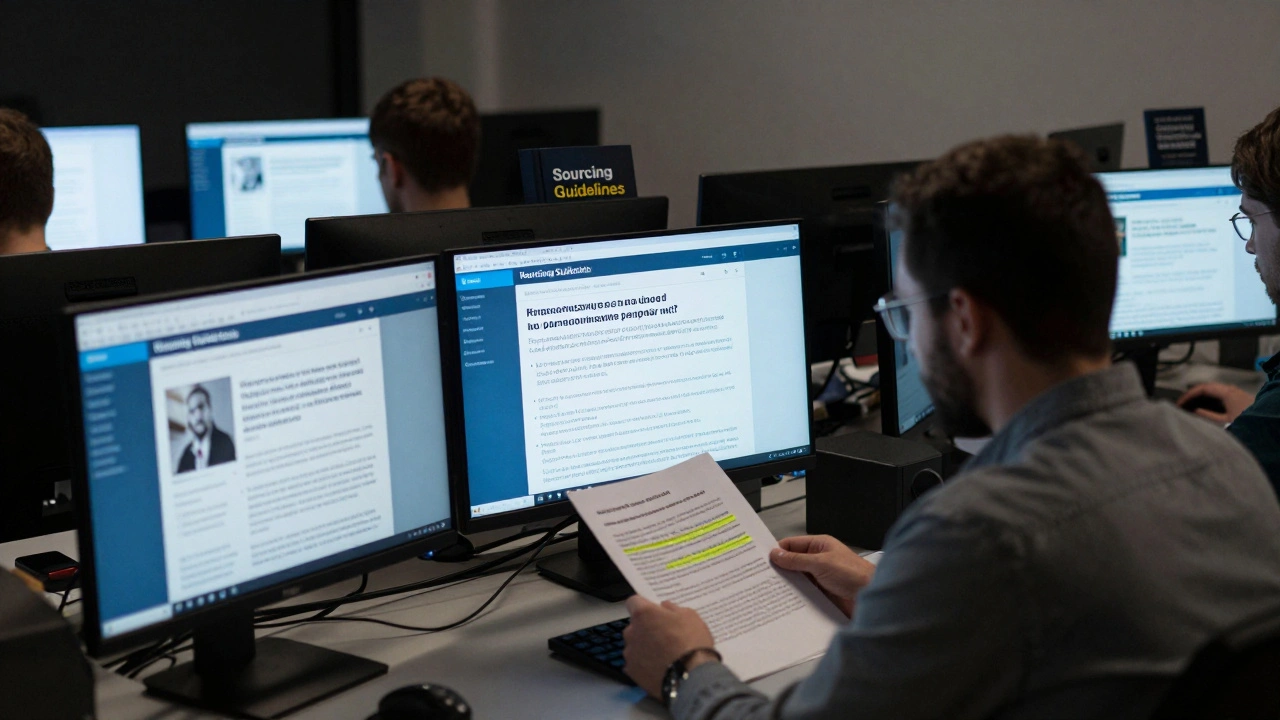
The Sister Projects Task Force: Wikimedia Foundation's Review of Wikinews
Wikinews, Wikimedia Foundation's volunteer-run news site, underwent a major review in 2025. The Sister Projects Task Force found declining participation but strong value among educators and researchers - leading to new tools, training, and language support to ensure its survival.