TemplateWizard: What It Is and How It Helps Wikipedia Editors
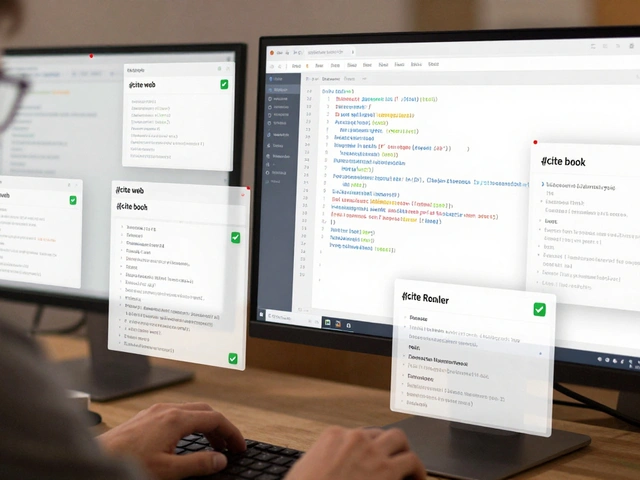
When you’re editing a Wikipedia article and need to add a template—like a citation, infobox, or navigation bar—you might feel overwhelmed by the syntax. That’s where TemplateWizard, a built-in tool in Wikipedia’s visual editor that guides users through adding templates without needing to write wikitext. Also known as Template:Wizard, it turns confusing code into simple dropdowns and checkboxes, making editing accessible even if you’ve never touched a wiki tag before. TemplateWizard doesn’t just make things easier—it lowers the barrier for new contributors, especially those on mobile or using the visual editor for the first time.
This tool works hand-in-hand with MediaWiki templates, reusable pieces of content that standardize formatting across articles, like infoboxes for people, places, or events. Without TemplateWizard, adding these often means copying and pasting long strings of curly braces and pipes—a task that scares off beginners and invites typos. TemplateWizard reduces those errors by showing you exactly what fields are needed and what kind of data goes in each. It’s not magic, but it feels like it. And it’s part of a bigger push by the Wikimedia Foundation to make editing less technical and more intuitive, especially as more people contribute from phones and tablets.
TemplateWizard also connects to other systems you’ll find in Wikipedia’s ecosystem. It pulls from the same template catalog that powers Wikipedia editing tools, automated and semi-automated features designed to help editors maintain quality and consistency. Think of it as a bridge between the raw power of wiki markup and the simplicity of point-and-click interfaces. You don’t need to know how templates are coded to use them. You just need to know what kind of article you’re editing. The tool figures out the rest.
Behind the scenes, TemplateWizard is supported by community-maintained template documentation and automated checks that flag missing or incorrect data. It’s not perfect—some niche templates still require manual input—but it’s the most reliable way for non-experts to add structured content without breaking anything. And because it’s built into the visual editor, it’s always there when you need it, whether you’re fixing a typo on your lunch break or writing a full article after class.
If you’ve ever stared at a blank edit box wondering how to add a citation or a category, TemplateWizard is the quiet helper you didn’t know you needed. It’s not flashy. It doesn’t get mentioned in news articles. But every time someone adds a properly formatted infobox for the first time because of it, Wikipedia gets a little more accurate—and a little more welcoming. Below, you’ll find guides and deep dives into how this tool fits into the larger world of Wikipedia editing, from mobile workflows to template design. These aren’t just tutorials—they’re stories of how small tools make big differences.
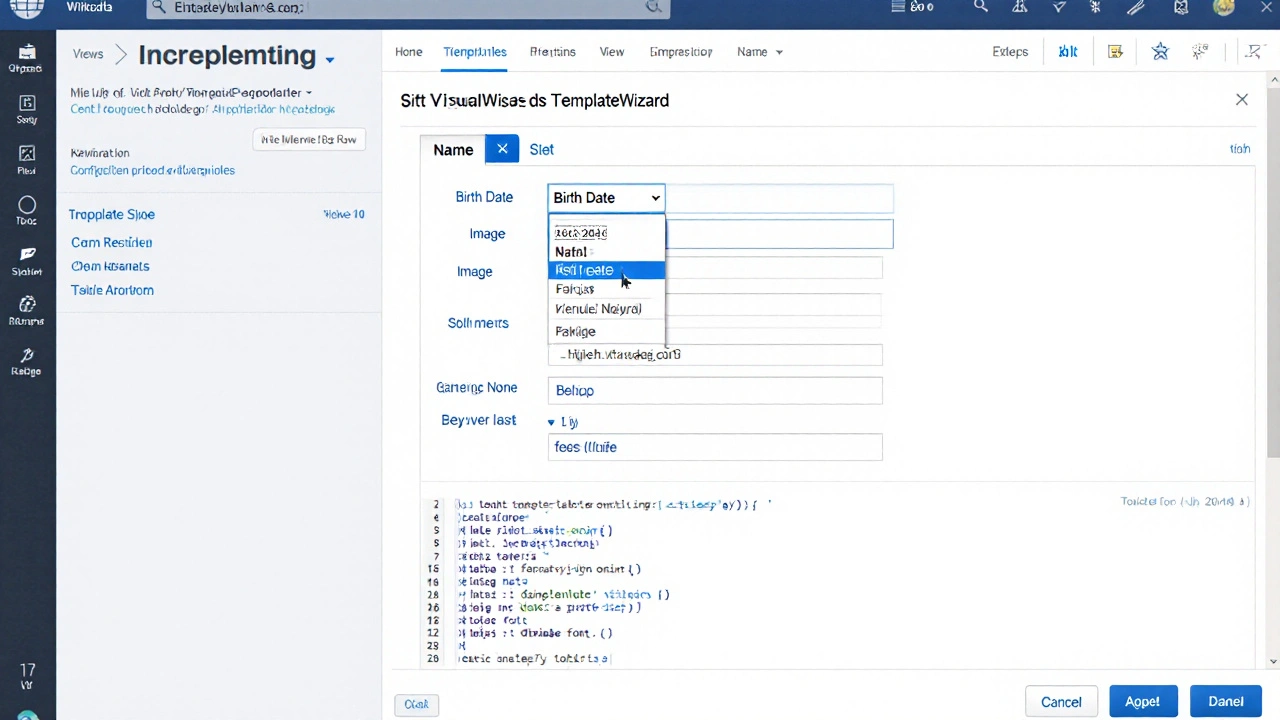
TemplateWizard on Wikipedia: Build Templates Without Errors
TemplateWizard on Wikipedia helps editors build templates without syntax errors by offering a simple form interface instead of raw wikitext. It supports over 1,200 common templates like infoboxes and citations, and reduces editing mistakes by 80%. Ideal for beginners and occasional contributors.