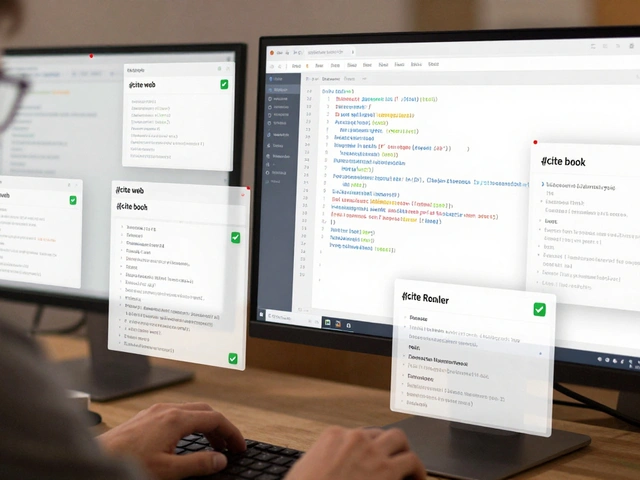
UI Testing Wikipedia: Tools, Challenges, and How Editors Improve the Editing Experience
When you tap to edit a Wikipedia article on your phone, or click a button to insert a citation, you’re interacting with years of UI testing, the process of evaluating how users interact with Wikipedia’s editing tools to make them simpler, faster, and more reliable. Also known as user interface testing, it’s not about fixing bugs—it’s about making sure anyone, anywhere, can contribute without frustration. This isn’t done in a lab. It’s driven by real editors, volunteers, and even students who report what feels broken, confusing, or slow. The goal? Keep Wikipedia open to everyone—not just tech-savvy users.
Behind the scenes, MediaWiki, the open-source software that powers Wikipedia is constantly being tested. Tools like TemplateWizard, a form-based tool that helps editors build infoboxes and citations without writing wikitext, were born from UI testing. Before it launched, teams watched hundreds of new editors struggle with syntax errors. The fix? Replace code with checkboxes and dropdowns. Result? Editing mistakes dropped by 80%. That’s the power of testing with real users. Mobile editing is another big focus. With over half of all edits happening on phones, the Wikipedia mobile app, the official app designed for editing on the go has been stress-tested in low-bandwidth regions, with older devices, and by people using screen readers. Every button placement, every tap target, every loading spinner was tweaked based on feedback—not guesses.
UI testing doesn’t just fix buttons. It protects trust. If a tool looks broken, people assume the article is broken too. If adding a citation takes three confusing steps, they’ll give up—and the article stays incomplete. That’s why testing goes beyond usability. It checks for accessibility, language barriers, and even cultural assumptions in design. A button labeled "Save" might work in English, but what about in languages where "Save" doesn’t map cleanly? Testing catches that. And it’s not just the Foundation doing this. Volunteers run small tests on Village Pump, share feedback in Signposts, and even build prototypes. The most effective UI changes come from people who edit daily—not from focus groups.
What you’ll find in this collection are real stories of how Wikipedia’s interface evolved—not through top-down decisions, but through quiet, persistent testing. From bots that flag broken buttons, to educators training students to report UI glitches, to engineers who redesigned the edit toolbar after a single user said, "I don’t know what this does." These aren’t theoretical improvements. They’re fixes that let you fix a typo on your commute, cite a source while waiting in line, or add a fact without needing a manual. The next time you edit, remember: the button you clicked was tested by someone just like you.
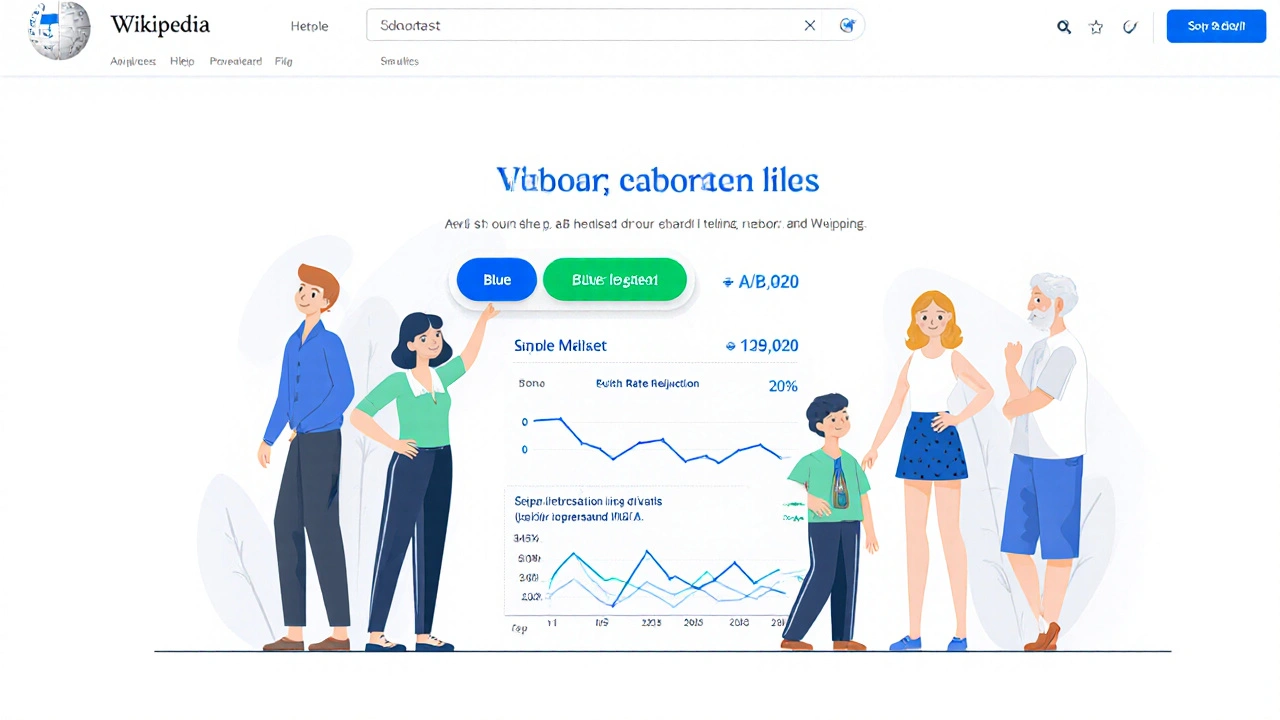
UI A/B Testing on Wikipedia: Methods and Ethics
Wikipedia runs quiet but rigorous A/B tests on its interface to improve usability without compromising accuracy or ethics. Learn how small UI changes are tested, why they avoid engagement metrics, and how volunteers help shape the world's largest encyclopedia.