Wikimedia collaboration: How volunteers build free knowledge together
When you read a Wikipedia article, you’re seeing the result of Wikimedia collaboration, a decentralized system where volunteers from every corner of the globe co-create and maintain the world’s largest encyclopedia. Also known as open collaboration, it works without managers, corporate oversight, or paid staff—just people who care enough to fix typos, update facts, and argue over sources in good faith. This isn’t magic. It’s a system built on transparency, trust, and tools that let anyone contribute—and anyone check.
Behind every article is a web of WikiProject tools, structured groups of volunteers who organize editing efforts around topics like history, science, or film. These projects use banners, assessment ratings, and worklists to keep articles on track. Then there’s Wikidata, the central database that shares facts across 300+ Wikipedia languages, so a fact about the Eiffel Tower in French also updates in Swahili or Hindi. And when conflicts happen—like two editors making opposite changes—edit conflict resolution, a simple system that shows both versions side by side—forces humans to talk it out instead of letting bots or algorithms decide. These aren’t fancy tech tricks. They’re practical fixes designed by editors, for editors.
People don’t stick around unless they feel supported. That’s why mentorship and coaching programs, where experienced editors guide newcomers one-on-one—have boosted retention by over 40% in pilot communities. New editors aren’t left to drown in policy pages. They’re shown how to use Huggle to catch vandalism, how to check sources with the Wikipedia Library, or how to write for the Signpost without sounding like a textbook. This isn’t about perfection. It’s about making it easier to start, and harder to quit. The real power of Wikimedia collaboration isn’t in the software. It’s in the quiet, daily choices: someone correcting a date, another adding a citation from a local archive, a third defending a neutral tone against bias. These aren’t isolated acts. They’re threads in a global fabric.
What you’ll find below isn’t just a list of articles. It’s a map of how this system actually works—from the hidden debates on talk pages that shape what you read, to the tools that keep vandalism at bay, to the campaigns helping Indigenous communities reclaim their stories on Wikipedia. You’ll see how journalists, students, academics, and retirees all play a part. No one runs this. Everyone does.
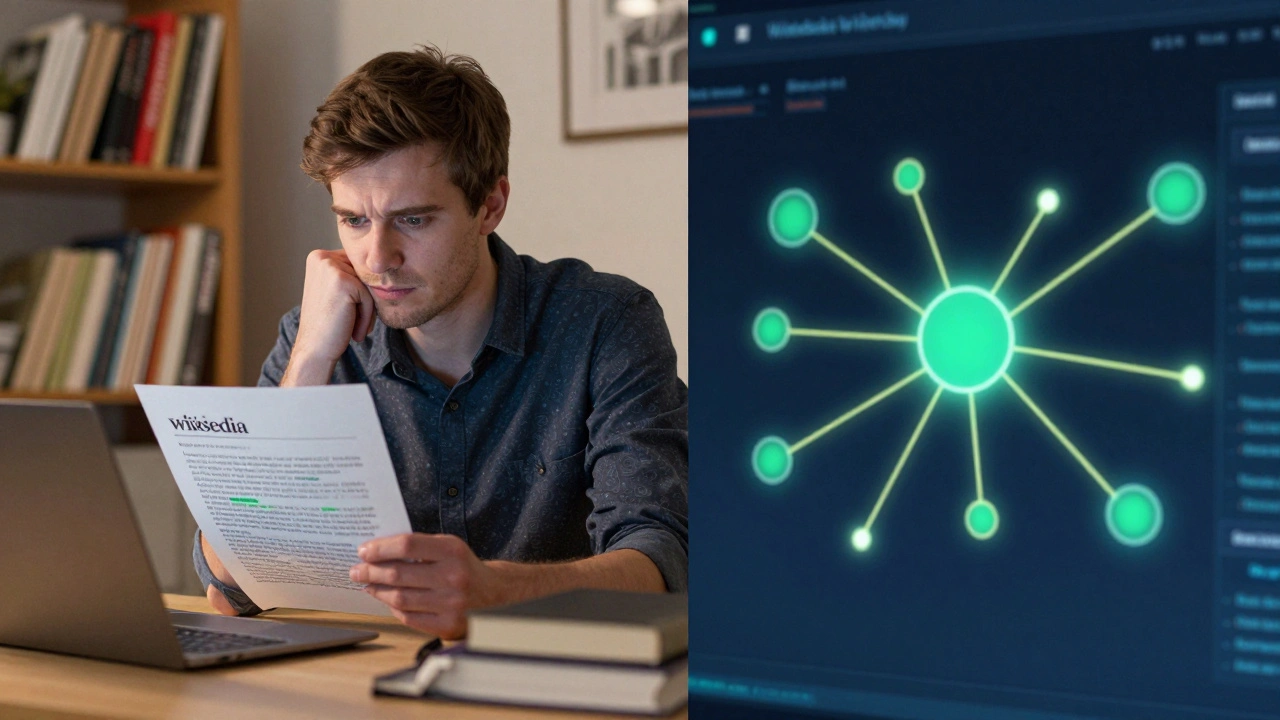
How Wikidata Policies Interact with Wikipedia Editorial Standards
Wikidata and Wikipedia share data but follow different rules. Wikidata prioritizes machine-readable consistency; Wikipedia demands human-verified sources. When they clash, editors must navigate conflicting standards to keep information accurate and trustworthy.