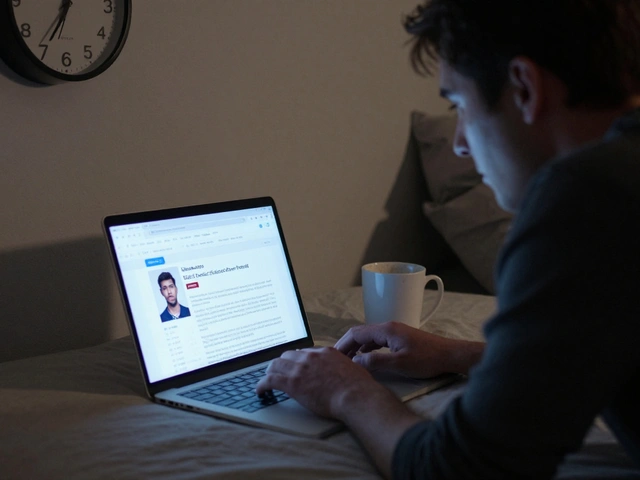
Wikimedia Student Editors Program: How Students Shape Wikipedia’s Future
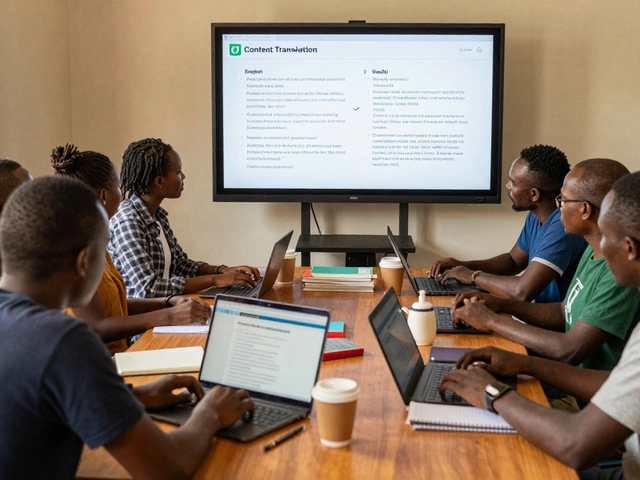
When you think of Wikipedia editors, you might picture lifelong volunteers or curious hobbyists. But a growing force is changing that image: the Wikimedia Student Editors Program, a global initiative that connects university students with Wikipedia editing as part of their coursework. Also known as Wikipedia in the Classroom, it turns assignments into real contributions—turning term papers into published articles that help millions of readers. This isn’t just about filling gaps in Wikipedia. It’s about teaching students how to verify sources, write neutrally, and understand the ethics of public knowledge—all while building something lasting.
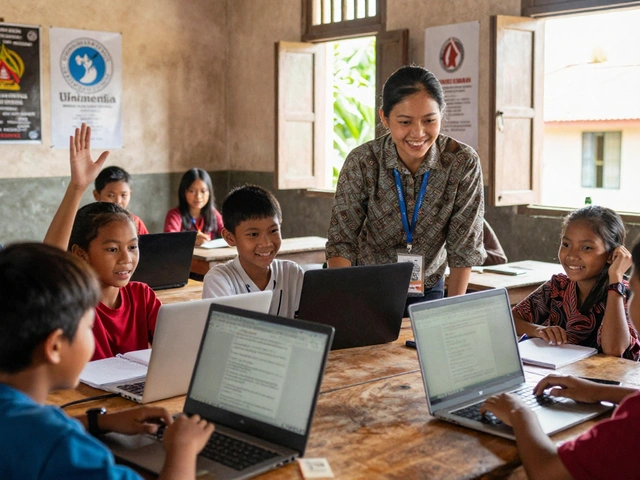
The program works because it pairs structure with purpose. Professors assign Wikipedia edits instead of traditional essays. Students learn to cite reliable sources, navigate talk pages, and handle feedback from experienced editors. In return, they don’t just get a grade—they get their work seen by real users. Some articles become go-to references. Others get featured. And in places where local knowledge is scarce—like small towns in Africa or rural communities in Southeast Asia—student edits often become the first detailed English-language records of local history, culture, or science.
This isn’t happening in isolation. It connects directly to the Wikimedia Foundation, the nonprofit that supports Wikipedia and its sister projects, which provides grants, training materials, and mentorship networks to make these programs sustainable. It also ties into the broader push for volunteer editing, the backbone of Wikipedia’s content creation, by bringing in new, diverse voices who might never have edited before. Students aren’t just learning how to edit—they’re learning how knowledge is made, challenged, and improved.
And it’s working. From biology students in Canada adding peer-reviewed research on local ecosystems, to history majors in India documenting regional independence movements, the impact is measurable. A 2023 study of over 1,200 student-edited articles found that 78% remained unchanged after six months—meaning they passed the test of community review. That’s not just good grades. That’s real credibility.
What you’ll find in this collection are stories from the front lines: how campuses run these programs, what challenges students face, how instructors adapt their teaching, and how Wikipedia’s own policies shift in response. You’ll see how the Wikimedia Student Editors Program isn’t just a teaching tool—it’s a quiet revolution in how knowledge is created, who gets to create it, and why it matters.
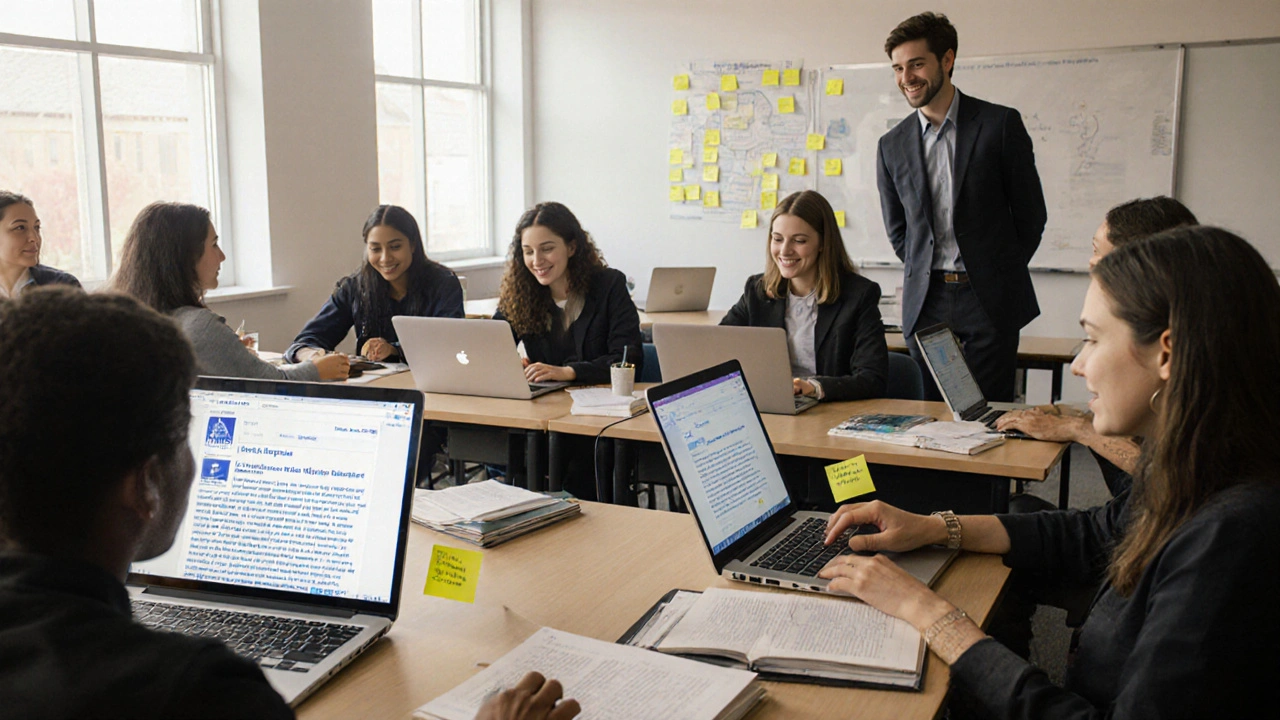
The Wikimedia Student Editors Program: How Colleges Are Training the Next Generation of Wikipedia Contributors
The Wikimedia Student Editors Program turns college assignments into public knowledge by having students improve Wikipedia articles. Thousands of students now contribute accurate, research-backed content that reaches millions worldwide.