Wikipedia article: How they're made, kept reliable, and why they matter
When you read a Wikipedia article, a collaboratively written entry on a specific topic, verified by sources and shaped by community consensus. Also known as Wikipedia page, it’s not just a summary — it’s a living record built by thousands of volunteers who check facts, cite sources, and fight misinformation every day. Unlike commercial sites, Wikipedia articles don’t rank based on ads or clicks. They rise because they’re accurate, well-sourced, and neutral — and that takes real work.
Behind every article is a system designed to catch errors before they spread. Wikipedia sourcing, the requirement that every claim be backed by reliable, published material is the first line of defense. AI might sound confident, but without a citation, it’s useless here. Then there’s Wikipedia editing, the process of making changes by anyone, but reviewed by those who know the rules. Tools like TemplateWizard and mobile editing apps make it easier for beginners to fix typos or add references without breaking the page. Bots automatically revert spam, while human editors monitor talk pages for bias or missing context. It’s not perfect, but it’s the most transparent system of its kind.
And it’s not just about what’s written — it’s about who writes it. Wikipedia policies, the rules that guide behavior, from conflict of interest to notability keep the platform from being hijacked by PR teams, governments, or trolls. Editors must disclose if they’re paid to write about a company. Articles about people or events need independent coverage — not just blog posts or press releases. Even the structure matters: articles are rated by WikiProjects, flagged by Signposts, and debated on Village Pump. This isn’t chaos — it’s a deliberate, slow-moving machine built to protect truth over speed.
What you see on screen is the result of millions of small actions: a librarian correcting a date, a student adding a citation from their thesis, a volunteer fixing a broken link at 2 a.m. These aren’t just pages — they’re the most accessed reference tool on Earth, built by people who care more about accuracy than fame. And that’s why, even as AI tries to mimic knowledge, Wikipedia articles remain unmatched: they’re not generated. They’re verified.
Below, you’ll find practical guides on how to edit responsibly, how to spot problems in existing articles, and how the tools and rules keep the whole system working — whether you’re fixing a typo on your phone or helping shape how history is remembered.
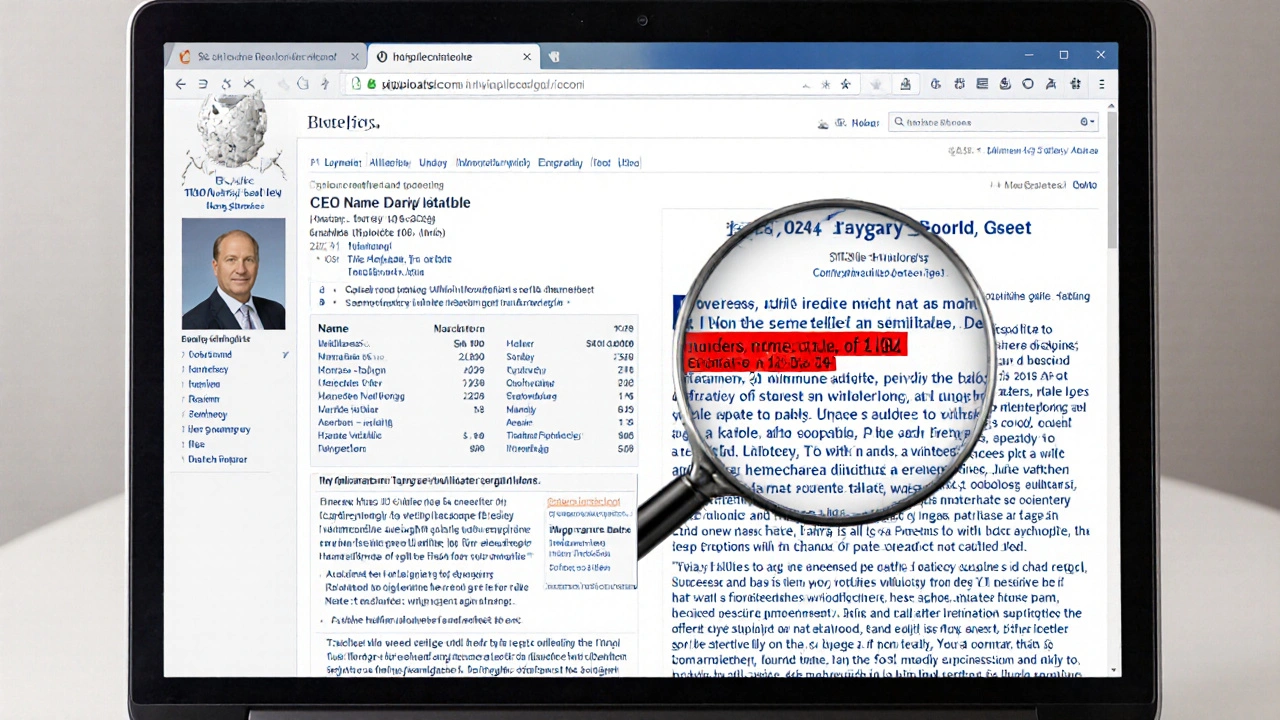
How to Read a Wikipedia Article Critically: Infoboxes, Lead Sections, and References
Learn how to read Wikipedia articles critically by checking infoboxes, lead sections, and references to avoid misinformation and uncover hidden bias. Stop trusting, start verifying.