Wikipedia destination pages: How curated content shapes what you find online
When you land on a Wikipedia destination page, a specially maintained article designed to be a primary entry point for readers seeking reliable information on a topic. These aren’t random articles—they’re the ones Wikipedia’s community picks to represent the most important, well-sourced, and stable content on subjects ranging from global events to scientific concepts. You might not notice them, but they’re the pages you’re shown first in search results, the ones linked from official sources, and the ones editors fight to keep clean. Unlike regular articles, destination pages get extra attention: they’re assessed for quality, protected from vandalism, and often linked from the "In the News" box, a daily, human-curated snapshot of major global events maintained by volunteer editors. This isn’t automation—it’s deliberate curation, done by people who know what accuracy looks like.
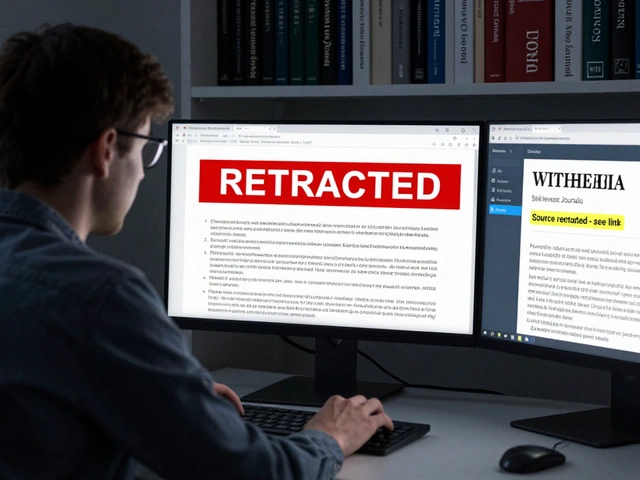
What makes a destination page different? It needs to be comprehensive, neutral, and backed by solid sources. That’s why Wikipedia editorial standards, the community-driven rules that govern how content is written, sourced, and maintained matter so much here. These pages can’t rely on blogs, press releases, or opinion pieces. They need peer-reviewed journals, major news outlets, or official reports. And if a source gets corrected—say, a newspaper retracts a claim—that change ripples into the destination page. That’s why edit filters, automated systems that block suspicious edits to high-risk articles and pending changes, a review system that holds edits from new or untrusted users until approved exist. They’re not barriers—they’re safeguards. Destination pages also rely on WikiProject tools, collaborative systems where editors tag, assess, and prioritize articles by quality and importance. These tools help volunteers spot gaps, fix outdated info, and make sure nothing slips through.
Behind every destination page is a hidden conversation—on talk pages, in edit histories, through mentorship programs that help new editors learn the ropes. These pages don’t just exist; they’re built, debated, and refined over time. They reflect what the community agrees matters most. And when you read one, you’re not just getting facts—you’re seeing the result of thousands of hours of collective effort to make knowledge trustworthy. Below, you’ll find deep dives into how these pages are made, protected, and why they’re one of the most reliable sources of information online.
How Tourism Seasons Shape Wikipedia Destination Pages
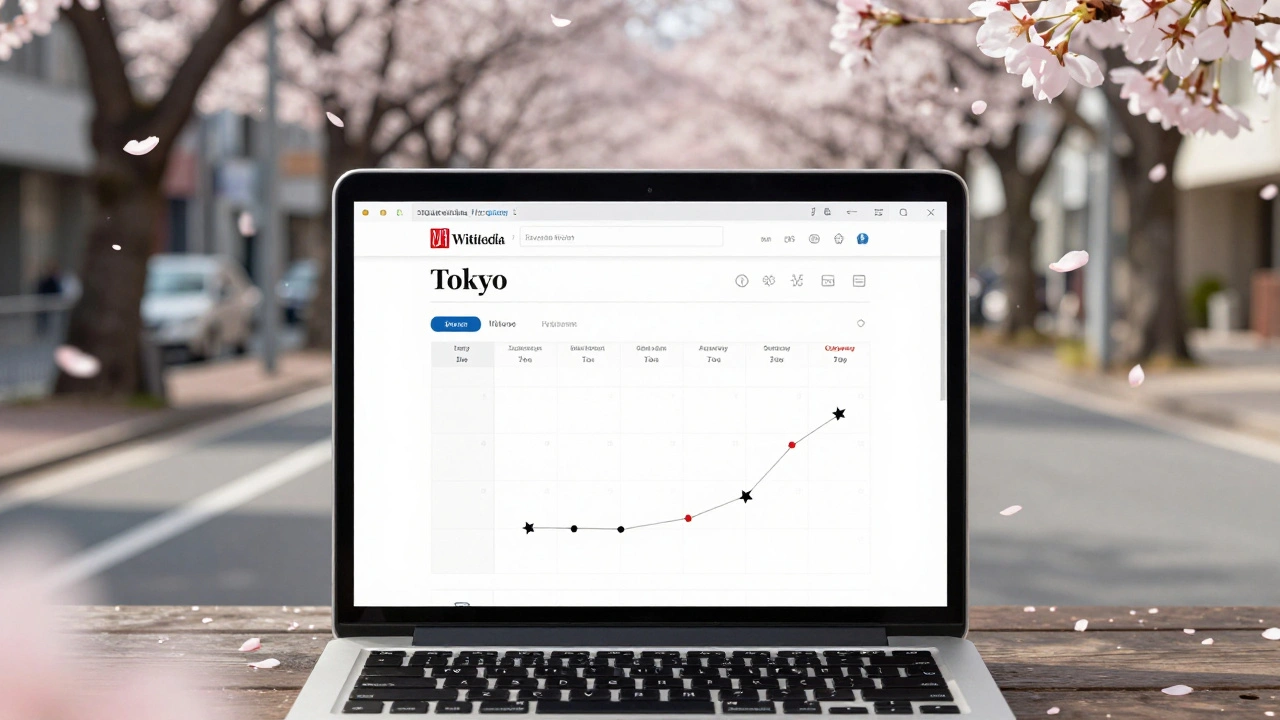
Wikipedia destination pages reflect real-world tourism seasons through edits, updates, and user contributions. Learn how travel patterns shape content - and how you can help make them more accurate.