Wikipedia edition comparison: How different language versions differ in size, quality, and editor base
When you think of Wikipedia, you might picture one giant encyclopedia—but that’s not what you’re seeing. Wikipedia edition comparison, the study of how different language versions of Wikipedia vary in content, editor activity, and reliability. Also known as Wikipedia language version analysis, it reveals that the English edition isn’t the norm—it’s the outlier. There are over 300 language editions, but just ten make up nearly 90% of all page views. The rest? Many have fewer editors than a small town has librarians. Some editions have more articles than others, but that doesn’t mean they’re better. A big number doesn’t equal depth. A small number doesn’t mean useless.
What really sets editions apart isn’t just size—it’s editor demographics, who writes, where they live, and what they’re allowed to write about. The German Wikipedia, for example, has strict sourcing rules and fewer but more experienced editors. The Arabic Wikipedia struggles with censorship and fewer female contributors. The Swahili edition is growing fast because of university-led outreach, while the Japanese edition stays stable because its community values precision over volume. These differences aren’t accidents. They’re shaped by culture, internet access, education systems, and even government policies. And that means the knowledge you find on Wikipedia depends heavily on which version you’re reading.
Then there’s content gaps, the topics that are missing or underdeveloped in certain language editions. If you’re looking for detailed info on African history, Indigenous technologies, or local medical practices, you’ll find far more on English Wikipedia than on most others. Why? Because the editors who create those articles often come from countries with better internet access, more free time, and stronger academic networks. It’s not that those topics don’t matter globally—it’s that the people who could write about them aren’t always able to. That’s why Wikipedia isn’t just a mirror of human knowledge. It’s a map of who gets to speak.
And quality? That’s another story. Some small editions have higher article quality than large ones because their editors focus on depth over quantity. Others are full of stubs because they’re just starting out. The Wikipedia edition comparison isn’t about ranking languages—it’s about understanding how power, access, and community shape what we all think we know. Below, you’ll find real examples of how this plays out: from edit-a-thons in Nigeria to bots fighting spam in Russian, from A-class articles in French to missing entries in Bengali. These aren’t just stats. They’re stories about who gets to write history—and who gets left out.
Measuring Coverage Parity Across Wikipedia Language Editions
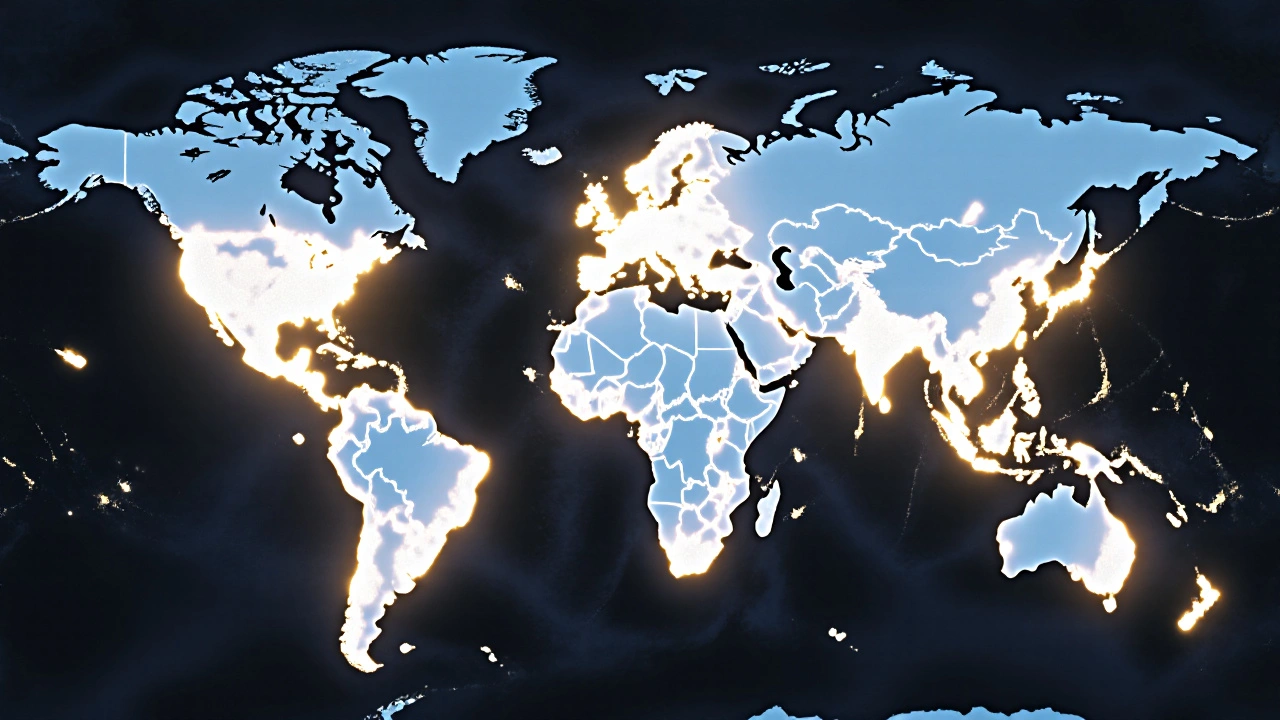
Wikipedia's language editions vary wildly in coverage. Measuring parity isn't about article counts-it's about whether your language and culture are represented with depth and accuracy in the world's largest encyclopedia.