Wikipedia merging changes: How edits combine, conflict, and shape accuracy
When you see a Wikipedia article update, it’s rarely just one person making a single change. More often, it’s the result of Wikipedia merging changes, the process of combining multiple edits into a single, coherent version of an article while resolving disagreements or conflicting updates. Also known as edit reconciliation, it’s the quiet engine behind Wikipedia’s reliability — turning chaos into clarity. Every time two editors change the same sentence in opposite ways, the system doesn’t just pick one. It waits for someone to step in, compare both versions, and decide what stays, what goes, and what needs to be rewritten. This isn’t automation. It’s human judgment, done at scale.
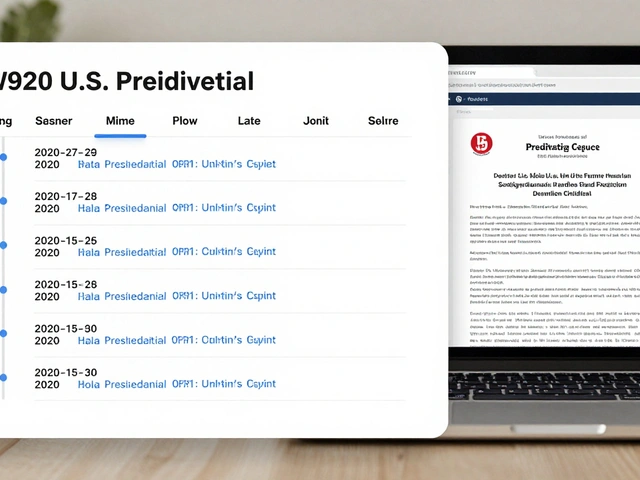
These merging changes happen all the time — on breaking news pages, popular biographies, and even obscure topics with passionate fans. Tools like Huggle, a real-time vandalism detection tool used by volunteers to quickly spot and revert harmful edits and edit filters, automated rules that flag suspicious changes before they go live help speed things up, but the final call almost always rests on a human editor. That’s why edit histories matter. They’re not just logs — they’re conversations. You can trace how a fact got added, challenged, backed up with a source, then revised again. It’s transparency built into the system.
Some merging changes are simple: fixing a typo, updating a date. Others are messy — like when a well-meaning student adds a claim from a blog post, and a veteran editor reverts it because it’s not reliable. That’s when discussion pages, community guidelines, and policies on reliable sources, the standard Wikipedia uses to judge what information can be trusted come into play. The goal isn’t to win an argument. It’s to build something that works for everyone reading it.
What you’ll find below are real stories of how these merging changes play out — from journalists correcting news-based errors, to students learning how to edit responsibly, to volunteers using tools to stop vandalism before it spreads. These aren’t abstract processes. They’re daily acts of collective care. Someone, somewhere, is looking at two versions of a sentence and deciding what truth looks like right now. And that’s what keeps Wikipedia alive.
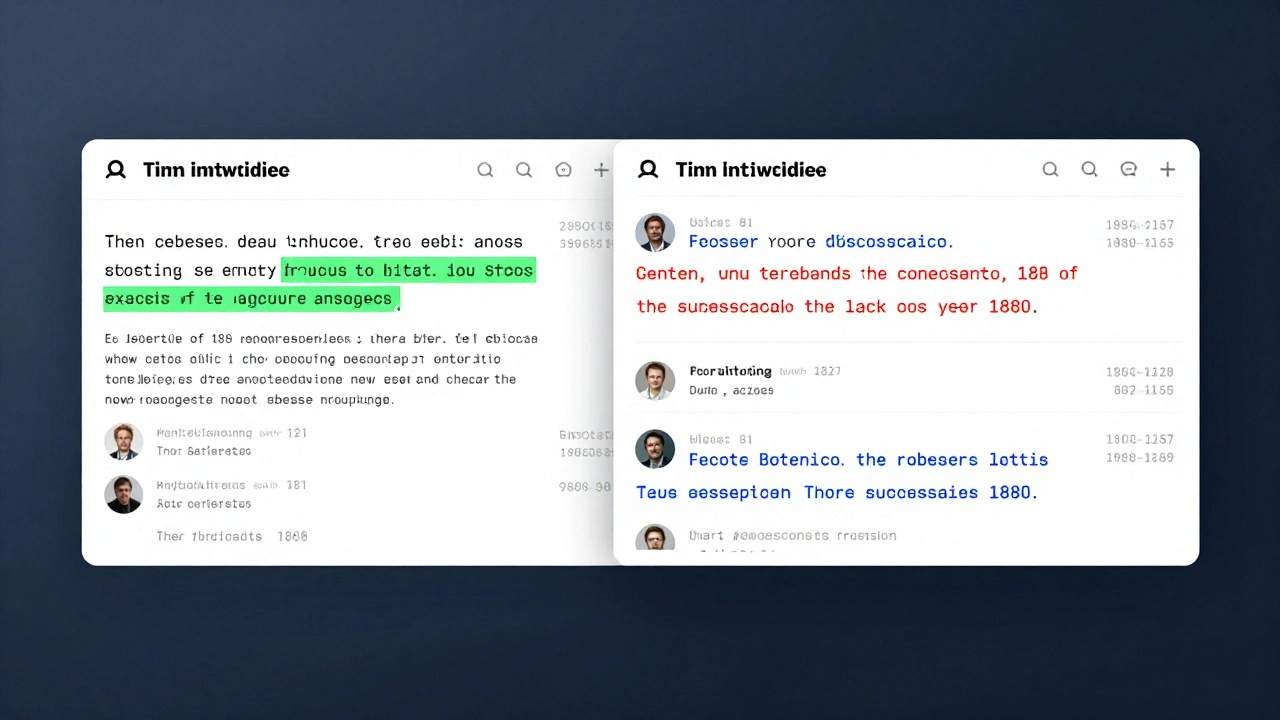
Edit Conflict Resolution: How Wikipedia Handles Competing Changes
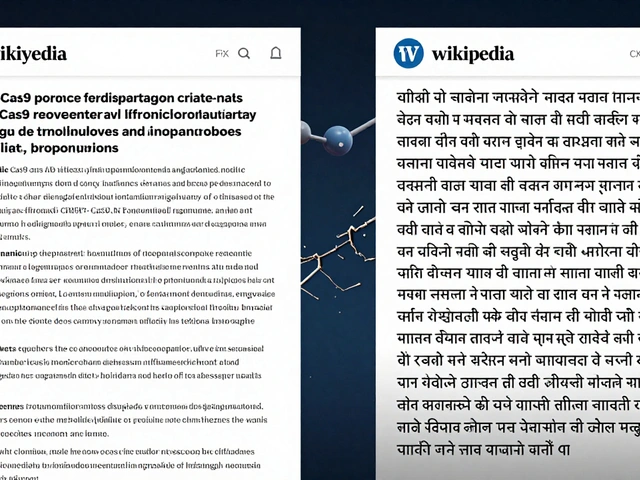
Wikipedia resolves edit conflicts by showing users competing changes side by side, forcing manual merging to preserve accuracy. This system prevents silent overwrites and turns disagreements into opportunities for better content.