Wikipedia translation tools: How language tools help global editors build knowledge
When you read a Wikipedia article in Spanish, Hindi, or Swahili, chances are it didn’t start there. Wikipedia translation tools, software and workflows that help editors copy, adapt, and localize content across language editions. Also known as translation aids, these tools let volunteers turn English articles into clear, accurate versions in other languages—without starting from scratch. This isn’t just about word-for-word swapping. It’s about making sure a student in Nairobi, a researcher in Jakarta, or a retiree in Buenos Aires can find the same depth of knowledge as someone in New York or London.
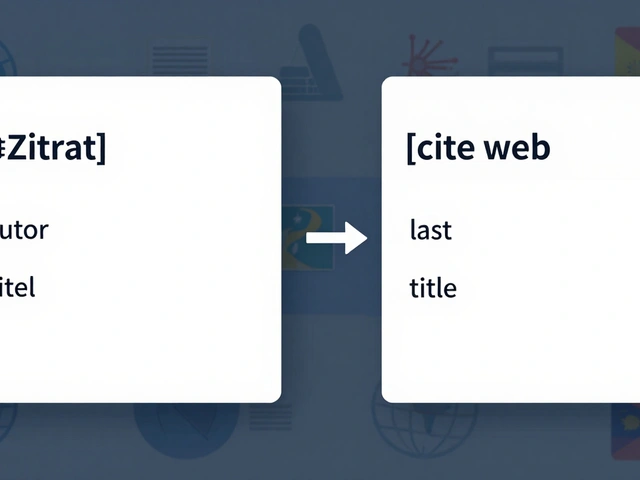
These tools rely on a few key systems. Wikimedia Translate, a built-in extension that lets editors mark sections of an article for translation and track progress, is the backbone for many language projects. It works with Content Translation, a tool that suggests translations using machine learning and lets editors edit them in a side-by-side interface. Then there are bots like TranslationBot, automated scripts that help move stub articles between language versions while flagging missing citations or cultural gaps. These aren’t magic—they need human oversight. A bot might translate "democracy" correctly, but it won’t know if the local context needs examples from regional elections instead of U.S. politics.
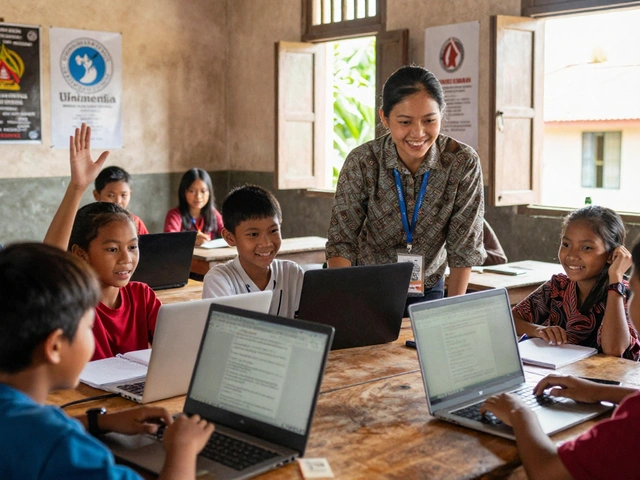
Why does this matter? Because over half of Wikipedia’s content is in just ten languages. The rest? Thousands of smaller editions struggle with gaps. Translation tools help fix that. They’re used in edit-a-thons across Africa and Southeast Asia to bring local history, medicine, and science into Wikipedia. Teachers use them to assign translation projects that teach research skills. Volunteers in rural India use mobile-friendly versions to turn Wikipedia’s English articles into Bengali or Tamil. And it’s not just about volume—it’s about quality. A translated article with proper citations, local examples, and neutral tone beats a poorly copied one every time.
Behind every good translation is a team: someone who knows the source language, someone who understands the target culture, and a tool that keeps them from rewriting everything. The goal isn’t to make every article identical across languages—it’s to make sure each version is complete, accurate, and useful for its readers. That’s where these tools shine: they don’t replace human judgment, they empower it.
Below, you’ll find real guides on how these tools work in practice—from fixing broken translations to using templates that save hours of work. Whether you’re a beginner looking to help your language community or an experienced editor trying to improve cross-language consistency, there’s something here that’ll help you make a difference.
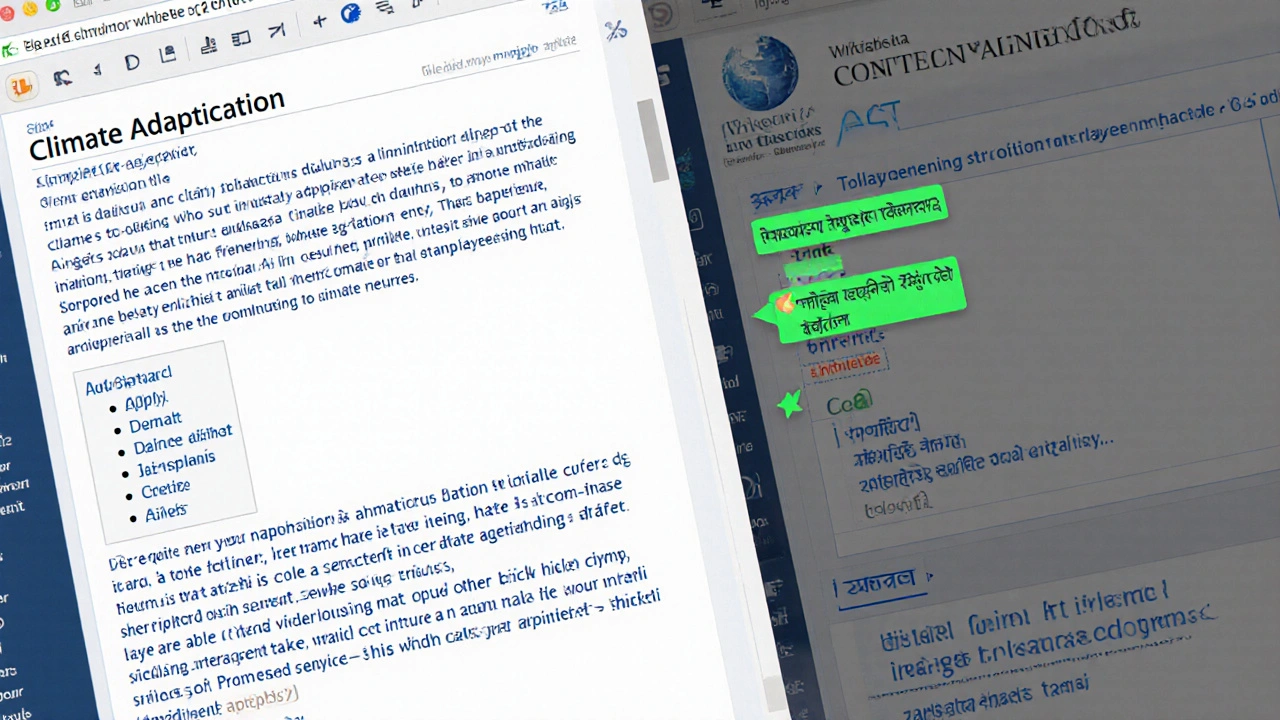
Content Translation Improvements on Wikipedia: What's New for Editors
Wikipedia’s updated translation tools help editors create accurate, high-quality multilingual articles faster. New features include AI suggestions, automatic citations, and image matching - making it easier than ever to share knowledge across languages.