Wikisource: The Free Library Behind Wikipedia's Sources
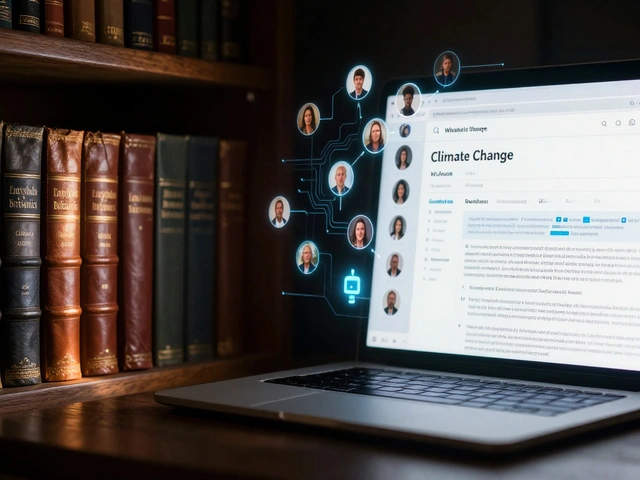
When you read a fact on Wikipedia, it’s backed by a source—and that source often lives on Wikisource, a free, community-run digital library that hosts original texts in the public domain or under free licenses. Also known as the Wikimedia library, it’s where you’ll find the full text of the Declaration of Independence, Shakespeare’s plays, or old newspaper articles that editors use to verify Wikipedia claims. Unlike Wikipedia, which summarizes knowledge, Wikisource keeps the original words intact. It’s not about rewriting history—it’s about preserving it so anyone can check the source for themselves.
Wikisource isn’t just a archive. It’s a living project that relies on volunteers to scan, proofread, and format texts from old books, letters, and government documents. You’ll find everything from ancient legal codes to 20th-century poetry, all organized by language and topic. Many of these texts were once locked behind paywalls or hard to find in libraries. Now, they’re free for students, researchers, and curious readers. And it’s not just English—Wikisource has editions in over 60 languages, from Hindi to Swahili, making original works accessible across cultures.
It’s also a key tool for Wikipedia editors. When someone cites a 1920s treaty or a speech by Gandhi, they’re often linking directly to a page on Wikisource. That’s because Wikisource texts are stable, verifiable, and legally safe to use. No copyright claims. No paywalls. Just the real thing. Tools like the ProofreadPage extension let volunteers compare scanned pages with typed text, ensuring accuracy. And because everything is open, you can download any text as a PDF, EPUB, or plain file—perfect for classroom use or personal study.
Behind the scenes, Wikisource works closely with libraries, archives, and digitization projects. It’s hosted texts from Project Gutenberg, the Internet Archive, and even government archives that release materials under open licenses. This isn’t just about saving old books—it’s about making sure future generations can access the raw material of history, not just summaries of it.
What you’ll find below are real guides and stories from people who use Wikisource every day. Learn how to proofread a century-old letter, how educators use it in classrooms, and why it’s the quiet backbone of reliable research on Wikipedia. Whether you’re a student checking a citation, a historian digging for primary sources, or just someone who loves reading original texts—this collection has something for you.
Wikipedia's Sister Projects Explained: Wikidata, Wikisource, and More
Wikipedia’s sister projects-like Wikidata, Wikisource, and Wikimedia Commons-support the encyclopedia with structured data, original texts, and free media. They’re essential for accurate, verifiable knowledge and open to everyone.