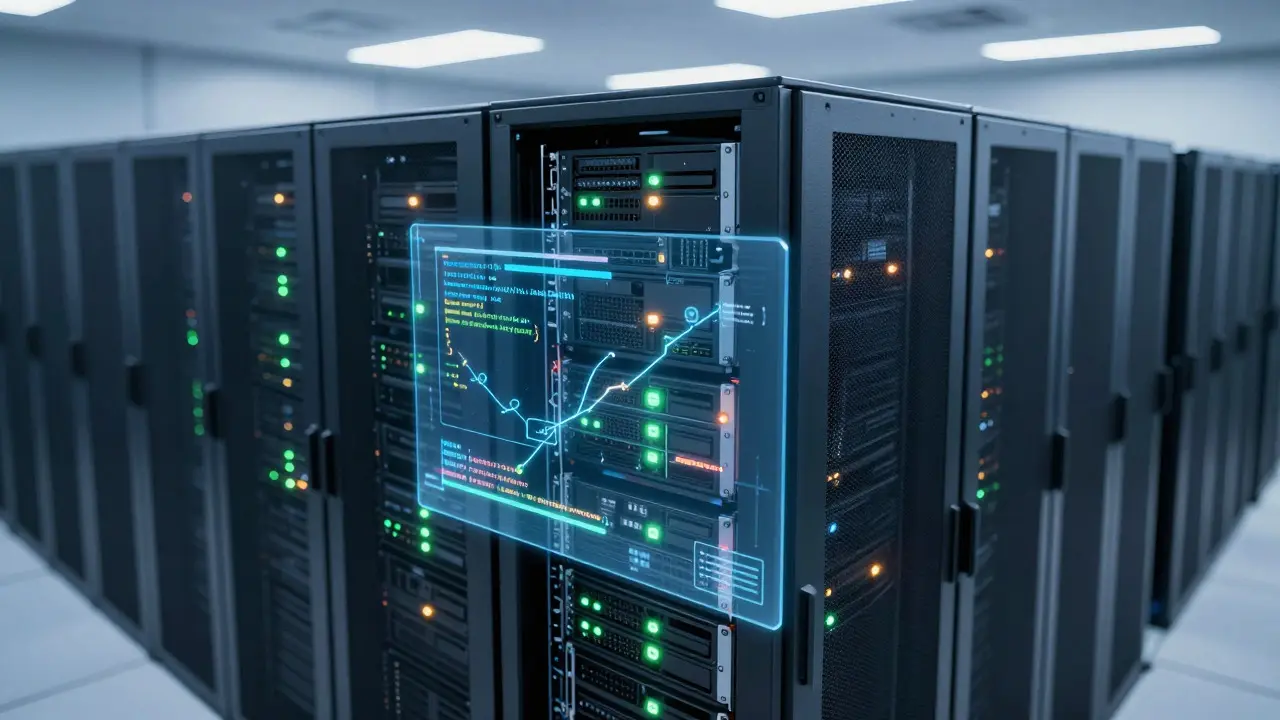
Imagine trying to write a story about the latest AI breakthrough while your editor is also arguing with you in the comments section. That is the daily reality for many contributors to Wikipedia a free, web-based collaborative encyclopedia that allows nearly all users to edit or add content via a browser. For technology journalists, this platform has evolved from a simple reference tool into a complex ecosystem of infrastructure the hardware and software systems used to support an organization's operations that directly impacts how stories are told, verified, and preserved.
The shift isn't just about adding new buttons; it's about changing who gets to speak and how fast they can do it. In the early days, tech coverage on Wikipedia was often dry, factual lists of specs. Today, it’s a battleground for narrative control, where real-time updates compete with peer review. Understanding these changes helps explain why some tech articles feel like news reports while others read like academic papers.
From Static Text to Dynamic Infrastructure
To understand the current state of technology journalism the practice of reporting on technological advancements, companies, and their societal impact on Wikipedia, we have to look at the engine room. The platform runs on a stack led by MediaWiki an open-source wiki application written in PHP, primarily used to power Wikipedia. This software doesn't just store text; it manages versions, tracks edits, and handles millions of concurrent users. When MediaWiki updated its parser in recent years, it didn't just fix bugs-it changed how templates behave, which directly affects how data-heavy tech articles display information.
Consider the difference between a static article from 2010 and one from today. In 2010, a smartphone review might be a single paragraph listing camera megapixels. Now, thanks to improved template infrastructure, you can see live-updated benchmarks, price comparisons across regions, and even embedded video reviews if the community agrees. This shift turns Wikipedia from a historical record into a semi-live news hub. However, this speed comes with risk. If the infrastructure fails, say during a server migration, entire sections of tech history can become inaccessible, highlighting the fragility of relying on a volunteer-run platform for critical information.
The Role of Templates in Shaping Tech Narratives
Tech writers on Wikipedia don't just type words; they assemble modular components called templates. These are pre-written blocks of code that pull data from structured sources. For example, the {{Infobox computer hardware}} template automatically formats CPU speeds, RAM types, and release dates into a clean sidebar. This standardization ensures consistency but also creates a bias toward quantifiable data.
Here is a comparison of how traditional journalism and Wikipedia-style tech reporting handle a product launch:
| Feature | Traditional Outlets (e.g., Wired, TechCrunch) | Wikipedia Technology Articles |
|---|---|---|
| Update Frequency | Continuous, editorially driven | Event-driven, community-verified |
| Data Presentation | Narrative mixed with charts | Structured infoboxes and tables |
| Bias Control | Editorial board oversight | Consensus among editors |
| Longevity | Often archived or paywalled after months | Permanently accessible and editable |
| Source Requirement | Varies by outlet standards | Strict citation of reliable secondary sources |
This table highlights a key trade-off: Wikipedia offers permanence and transparency, but lacks the curated voice of a professional editor. For readers seeking raw facts, Wikipedia wins. For those wanting context and opinion, traditional outlets still hold the edge. But the line is blurring as more journalists contribute to Wikipedia to correct errors in real-time.

Infrastructure Challenges: Speed vs. Stability
One of the biggest complaints from long-time editors is the tension between speed and stability. The Wikimedia Foundation, which hosts Wikipedia, regularly deploys new features to improve user experience. While these updates usually aim to help, they can break existing workflows. For instance, when the platform introduced the VisualEditor, it made it easier for non-technical users to edit pages. However, for experienced tech writers who rely on precise wikitext syntax, this change sometimes introduced formatting glitches that took weeks to resolve.
Another critical aspect of the infrastructure is the database backend. Wikipedia uses MySQL, a popular relational database management system. As tech articles grow larger with more images and multimedia, the load on this database increases. During major tech events, like Apple Keynotes or CES, traffic spikes can cause latency issues. Readers might experience slow page loads, which frustrates both casual users and researchers who need instant access to accurate specs. The engineering team behind the scenes works tirelessly to scale servers, but the distributed nature of the project means that not every improvement reaches all mirrors simultaneously.
How Platform Changes Affect Source Verification
In technology journalism, sourcing is everything. On Wikipedia, every claim needs a citation. But the definition of a "reliable source" has evolved alongside the platform's infrastructure. Early on, any newspaper article would do. Now, the community has developed stricter guidelines, especially for tech topics where misinformation spreads fast. The introduction of tools like "CiteThisPage" and automated bot checks has tightened the net around unsourced claims.
However, this rigidity can stifle emerging narratives. If a new startup releases a groundbreaking device, there might not be enough independent third-party coverage yet to satisfy Wikipedia's criteria. This leads to a delay in documentation. Journalists watching this space often find themselves waiting for mainstream press to catch up before they can officially add details to the encyclopedia. This lag creates a gap where social media becomes the de facto primary source, further complicating the verification process.

The Future of Collaborative Tech Documentation
Looking ahead, the intersection of open source computer software whose source code is available for use and modification and journalism is likely to get more integrated. We are seeing experiments with semantic markup, where data within articles is tagged in ways that machines can understand. This could allow future search engines to pull specific attributes-like battery life or processor speed-directly from Wikipedia without scraping the whole page.
For the reader, this means higher accuracy. For the contributor, it means more complexity. The infrastructure is no longer just a container for text; it's becoming a structured database that feeds into the broader web. As artificial intelligence models train on this data, the quality of Wikipedia's tech entries will directly influence what algorithms consider "true." This raises the stakes for every edit. A small error in a spec sheet could propagate through thousands of downstream applications, from chatbots to recommendation engines.
So, the next time you check Wikipedia for the latest phone specs, remember you aren't just reading an article. You're interacting with a living piece of infrastructure that reflects the collective effort of thousands of people, powered by robust code, and shaped by ongoing debates about what constitutes truth in the digital age.
Frequently Asked Questions
Is Wikipedia considered a reliable source for technology news?
Yes, but with caveats. Wikipedia is excellent for factual specifications, historical timelines, and consensus-based definitions. It is less suitable for breaking news or subjective analysis because updates require community consensus and citations from established media outlets. For quick facts, it is highly reliable; for deep insights, cross-reference with specialized tech publications.
What is MediaWiki and why does it matter for tech articles?
MediaWiki is the software engine that powers Wikipedia. It matters because it determines how content is displayed, edited, and stored. Updates to MediaWiki can change how templates work, affecting the layout of data-heavy tech articles. Its stability ensures that information remains accessible, while its flexibility allows for complex formatting that supports detailed technical documentation.
How do platform updates affect the accuracy of tech information on Wikipedia?
Platform updates can introduce bugs that temporarily distort data presentation, such as misaligned tables or broken links. However, the version control system allows editors to revert changes quickly. Over time, infrastructure improvements generally enhance accuracy by making it easier to verify sources and format data consistently, reducing human error in data entry.
Can anyone edit technology articles on Wikipedia?
Technically, yes, most articles are open for editing. However, high-traffic tech articles often have "semi-protected

recent posts





© 2026. All rights reserved.