
Volunteers aren’t what they used to be. Ten years ago, people signed up for food drives or church events because they were asked. Today, the next generation of volunteers-mostly Gen Z and younger millennials-show up because they believe in the cause, not because they were told to. They don’t want to stuff envelopes. They want to shape systems. They don’t want to be thanked with a T-shirt. They want to see real change-and proof it happened.
Why They Volunteer Now
Forget the old idea that volunteers are motivated by guilt or social pressure. A 2024 study by the Center for Civic Engagement found that 78% of volunteers under 30 say they join because they want to learn skills-not just give time. They’re looking for hands-on experience in project management, data analysis, community organizing, or even digital marketing. Many are students or early-career professionals using volunteering as a way to build portfolios without paying for internships.
Another big driver? Identity. These volunteers don’t just want to help-they want to be seen as people who care. They post about their work on Instagram, TikTok, and LinkedIn. They don’t share photos of themselves holding soup cans. They share before-and-after maps of cleaned-up parks, graphs showing how many meals were delivered, or short videos explaining policy changes they helped push through. Visibility isn’t vanity. It’s validation.
And they’re picky. If your organization still uses paper sign-up sheets or sends emails with no clear next steps, they’ll ghost you. Not because they’re rude. Because they’ve seen better.
The Old Way Doesn’t Work Anymore
Most nonprofits still run on 1990s-style onboarding: a 45-minute lecture about the history of the organization, a binder full of rules, and a vague assignment like “help with outreach.” That’s not onboarding. That’s rejection with paperwork.
Here’s what happens when you do it that way: 62% of new volunteers quit within the first month, according to a 2025 survey by VolunteerMatch. Why? Because they feel like they’re being asked to fit into a machine, not join a movement.
Young volunteers don’t need more rules. They need clarity. They need autonomy. They need to know, within 24 hours of signing up, what they’ll actually do, who they’ll work with, and how their work connects to the bigger picture.
What Works: The New Onboarding Playbook
Organizations that are keeping volunteers? They’ve redesigned everything around the volunteer’s experience-not the organization’s convenience.
- Start with a 5-minute video-not a manual. A real person, not a PowerPoint, explains what the first project looks like. Show the messy desk, the tired but smiling team, the real problem they’re solving. No stock footage.
- Let them choose their role after a quick skills quiz. Want to design social media posts? Great. Prefer to analyze survey data? Perfect. No one-size-fits-all assignments.
- Give them a real task on day one. Not “shadow someone.” Not “read the handbook.” A real task with real impact. Like: “Send 10 personalized thank-you texts to donors who gave in the last week.” Done. Visible. Done well.
- Connect them to a peer mentor, not a supervisor. Someone who’s been there for three months, not ten years. Someone who texts them back.
- Track and show impact daily. Use simple dashboards. Show how many people were helped since they joined. Show how many posts they wrote that got shared. Show the change they made-right now.
One food bank in Madison started doing this last year. Instead of asking volunteers to sort cans, they let them pick: warehouse logistics, meal delivery routes, or Instagram storytelling. Within six months, volunteer retention jumped from 34% to 81%. Why? Because people felt like they were contributing their actual skills-not just their time.

Technology Is the Bridge, Not the Boss
You don’t need fancy apps. But you do need a system that’s fast, simple, and mobile-friendly.
Top-performing volunteer programs now use tools like:
- VolunteerHub for scheduling and task assignment
- Slack channels for real-time updates and peer support
- Notion dashboards to show progress and impact metrics
- Canva templates so volunteers can easily create their own shareable posts
These aren’t just tools. They’re signals. They say: “We trust you. We respect your time. We want you to succeed.”
The biggest mistake? Trying to control every step. The best programs give volunteers freedom within structure. Like a soccer coach who sets the field, the rules, and the goal-but lets the players decide how to score.
They Want Purpose, Not Praise
Don’t say “thank you.” Say “this is what you changed.”
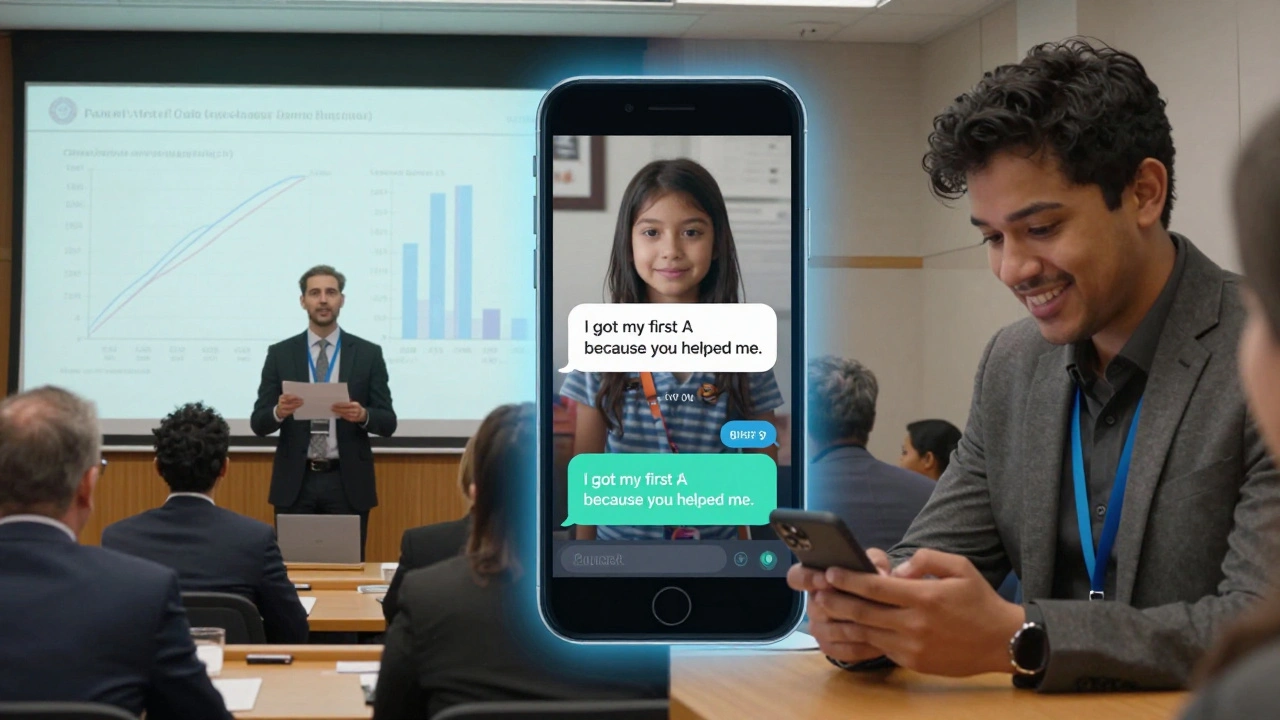
One youth mentorship program started sending volunteers a short video at the end of each month. Not a generic “Great job!” email. A real clip of a kid they helped saying, “I got my first A in math because you showed me how to study.”
That’s the kind of feedback that keeps people coming back. Not certificates. Not free coffee. Not even social media shoutouts. Real proof that their effort mattered.
Volunteers today don’t want to be heroes. They want to be part of something that works. And they’ll leave if they think it’s broken.
What to Stop Doing Right Now
Here’s a quick checklist of what to cut:
- Long orientation meetings (over 30 minutes)
- Generic job descriptions like “help where needed”
- Waiting a week to assign your first task
- Asking for references or background checks unless legally required
- Using outdated software that doesn’t work on phones
If you’re still doing any of these, you’re not losing volunteers because they’re lazy. You’re losing them because your system is out of date.
Where This Is Going
The next five years will see a rise in “micro-volunteering”-tasks that take 15 to 30 minutes, done remotely, and tracked through apps. Think: translating a single document, reviewing a grant application, or recording a voice message for a shelter resident.
Organizations that adapt will get more than volunteers. They’ll get advocates. People who bring friends. Who fundraise. Who speak at city council meetings. Who turn their weekend project into a full-time career.
This isn’t about saving the nonprofit model. It’s about reinventing it. The next generation of volunteers isn’t waiting for permission. They’re building the future-and your job is to hand them the tools, not the clipboard.
Why do young people quit volunteering so fast?
They quit when they don’t see immediate impact, feel micromanaged, or aren’t given tasks that match their skills. Most organizations still treat volunteering like a chore, not an opportunity. Young volunteers expect transparency, autonomy, and proof that their work matters-within hours, not weeks.
Do I need to use apps to manage volunteers?
Not necessarily-but you do need a system that works on phones and lets volunteers self-serve. Simple tools like Google Forms, Slack, or Notion can replace expensive platforms. The key isn’t the tool-it’s whether volunteers can sign up, get assigned, track progress, and see results without waiting for someone to email them back.
How do I find these new volunteers?
Stop posting on community boards. Start on Instagram, TikTok, and university Discord servers. Post real stories-not ads. Show a volunteer doing something meaningful. Use hashtags like #VolunteerWithPurpose or #SkillBasedVolunteering. They’ll find you if you’re authentic.
Can older volunteers adapt to this new model?
Yes-especially if they’re given the same clarity and respect. Many older volunteers are tired of being treated like volunteers are “just helpers.” They want to use their experience too. The new model works for everyone: clear tasks, visible impact, and no bureaucracy.
What’s the biggest mistake organizations make?
Assuming volunteers want to be told what to do. The new generation wants to be trusted. They want to solve problems, not follow instructions. The best organizations treat volunteers like partners, not assistants.