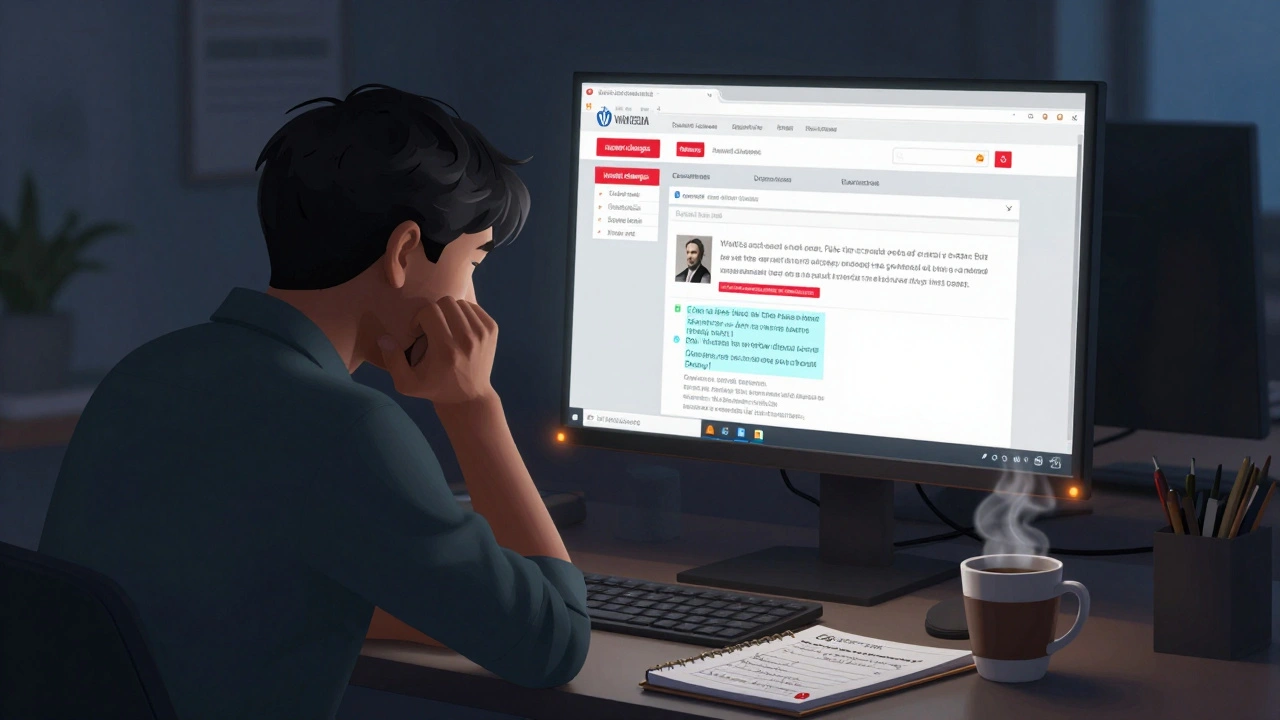
Imagine waking up to find that the biography of a historical figure has been rewritten to claim they were an alien from Mars. Or worse, that a local politician’s page now lists fabricated criminal charges. For Wikipedia administrators, these scenarios are not hypothetical nightmares; they are Tuesday morning routines. The platform’s open-editing model is its greatest strength and its most significant vulnerability. With over 6 million articles in English alone, the sheer volume of changes makes manual oversight impossible without a structured approach.
The core challenge isn’t just catching bad edits-it’s distinguishing between malicious intent, honest mistakes, and good-faith contributions from new users. Misjudging this line can lead to unnecessary conflict, discouraging valuable contributors while failing to protect the encyclopedia’s integrity. This guide breaks down the practical steps, tools, and psychological frameworks needed to moderate content effectively, focusing specifically on the nuanced art of handling vandalism.
Understanding the Anatomy of Vandalism
Before you can fight it, you need to recognize what it looks like. Not every revert is a battle against evil. In the world of wiki editing, vandalism falls into distinct categories, each requiring a different response. Understanding these types helps you apply the right level of intervention.
- Overt Vandalism: This is the obvious stuff-profanity, nonsense text, or blatant falsehoods inserted with no attempt at disguise. It’s easy to spot but often comes from bots or trolls seeking attention.
- Subtle Vandalism: Also known as "creeping featurism" or bias injection, this involves adding unsourced claims, minor factual errors, or biased language that skews an article’s tone without breaking any hard rules. This is harder to detect and requires deeper subject matter knowledge.
- Sock Puppetry: When a banned user creates new accounts to bypass restrictions, it undermines the community’s trust systems. Identifying these patterns requires familiarity with user edit histories and IP addresses.
- Good-Faith Errors: New editors often make mistakes by misunderstanding citation formats, copyright laws, or neutral point of view (NPOV) policies. Treating these as vandalism damages community growth.
The key distinction lies in intent. Overt vandalism seeks to disrupt; subtle vandalism seeks to manipulate; good-faith errors seek to contribute. Your moderation strategy must reflect this spectrum.
The First Line of Defense: Automated Tools and Patrol
You cannot review every edit manually. That’s why Wikipedia relies heavily on automated assistance. Patrol software like Huggle and Twinkle are essential companions for any administrator. These tools flag suspicious edits based on keywords, edit frequency, and user history.
Huggle, for instance, allows you to quickly review recent changes and revert them with one click if they’re clearly destructive. It also provides context, such as whether the editor is new or experienced. Twinkle offers more advanced options, including warning templates that educate users about policy violations before escalating to blocks. Using these tools doesn’t mean you’re lazy-it means you’re efficient. However, automation has limits. Algorithms struggle with nuance. An edit that removes a controversial but sourced claim might look like censorship to a bot, even if it’s actually a correction of unreliable sourcing.
A best practice is to use automation as a filter, not a final judge. Always review flagged edits personally before taking action. This human-in-the-loop approach ensures that context matters more than keywords.
Communication: The Art of De-escalation
One of the biggest mistakes new administrators make is jumping straight to blocking or deleting pages. Before you reach for the hammer, pick up the phone-or in this case, the talk page. Effective communication can resolve 80% of conflicts without formal sanctions.
When you encounter a problematic edit, start by leaving a polite message on the user’s talk page. Explain what was wrong, cite the relevant policy (like NPOV or Verifiability), and ask for clarification. Often, the user will correct their mistake immediately. If they don’t respond, escalate gradually: move from a simple warning to a stronger notice, then consider a short block if necessary.
This approach serves two purposes. First, it educates the community, turning potential vandals into informed contributors. Second, it creates a paper trail. If the behavior continues, you have documented evidence that you attempted resolution before imposing penalties. This documentation is crucial for appeals and arbitration processes later on.
Remember, your goal isn’t to punish-it’s to preserve the encyclopedia. Every interaction is a chance to reinforce community standards.
Handling Bias and Controversial Topics
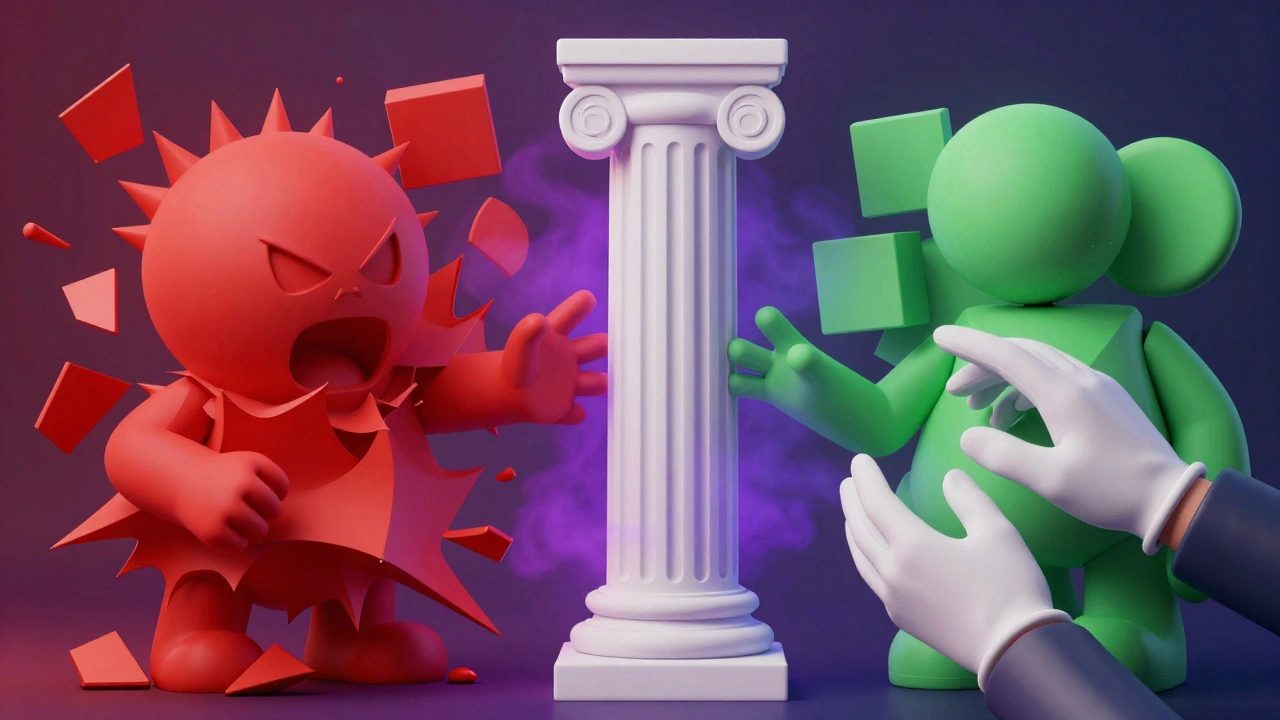
Vandalism isn’t always obvious. Sometimes it takes the form of systemic bias-where certain viewpoints dominate because they align with the editor’s personal beliefs rather than reliable sources. This is particularly common in political, religious, or cultural topics.
To combat this, administrators must adhere strictly to the Neutral Point of View (NPOV) policy. This means ensuring that all significant viewpoints are represented fairly, without endorsing any single one. If you notice an article leaning heavily toward one perspective, check the citations. Are they from reputable, independent sources? Or are they self-published blogs or partisan outlets?
If bias is detected, engage in discussion on the article’s talk page. Invite other editors to weigh in. Avoid unilateral reverts unless the content is clearly false or defamatory. Consensus-building is slower but more sustainable than top-down enforcement. It also reduces the risk of accusations of editorial abuse.
In cases of persistent bias, consider requesting protection for the page. Semi-protection limits editing to autoconfirmed users, reducing the likelihood of sock puppet attacks while still allowing experienced contributors to participate.
When to Block: Criteria and Consequences
Blocking a user is a serious step. It should never be used as a punishment for poor writing style or disagreement over content. Blocks are reserved for users who repeatedly violate policies despite warnings, engage in harassment, or create multiple sock puppets to evade bans.
Before issuing a block, ensure you’ve followed due process:
- Left clear warnings explaining the violation.
- Gave the user time to respond or correct their behavior.
- Documented previous incidents if applicable.
Block durations vary based on severity. A first-time offender might receive a 24-hour block to cool off. Repeat offenders could face weeks or indefinite blocks. Always specify the reason for the block in the log entry. Transparency builds trust within the community.
Be aware that blocks can sometimes backfire. Some users interpret them as persecution and become more aggressive. Others may appeal successfully if they feel the process was unfair. To mitigate this, keep records of your decisions and be prepared to defend them in arbitration if needed.

Collaborative Moderation: Working with the Community
No administrator works in isolation. Wikipedia thrives on collective intelligence. Engage with other admins through channels like the Village Pump or Admin Noticeboard. Share insights about recurring vandals, discuss tricky cases, and learn from others’ experiences.
Participating in these discussions helps you stay updated on emerging threats and evolving policies. It also fosters a sense of shared responsibility. When you see another admin struggling with a difficult case, offer support. Collaboration strengthens the entire moderation ecosystem.
Additionally, mentor newer editors. Many vandalism issues stem from ignorance rather than malice. By guiding newcomers through the ropes, you reduce the burden on patrol teams and build a healthier community culture.
Legal and Ethical Considerations
As an administrator, you wield significant power. With that power comes ethical responsibility. Never delete content solely because you disagree with it. Respect intellectual property rights by removing copyrighted material only when explicitly requested or when it violates fair use guidelines.
Protect user privacy. Do not publish personal information found in edit histories or talk pages. Even if a user behaves poorly, their right to anonymity remains intact unless they’ve waived it voluntarily.
Finally, maintain professionalism. Avoid emotional reactions, personal attacks, or public shaming. Your conduct sets the tone for the community. Calm, reasoned responses encourage similar behavior from others.
How do I distinguish between vandalism and a good-faith error?
Look at the user’s history and intent. Good-faith errors usually come from new users trying to help but lacking experience. They may include typos, formatting issues, or minor inaccuracies. Vandalism typically involves deliberate disruption, such as inserting offensive language, false claims, or nonsensical text. Check if the user responds to feedback; good-faith editors usually correct mistakes when pointed out.
What should I do if I suspect sock puppetry?
If you believe a user is operating multiple accounts to bypass blocks or influence discussions, report it to the CheckUser team. Provide evidence such as similar editing patterns, overlapping IP ranges, or coordinated behavior. Do not accuse users publicly without verification, as this can harm reputations unnecessarily.
Is it okay to block a user for a single offense?
Generally, no. Single offenses should be addressed with warnings first, unless the act is severe (e.g., hate speech, defamation, or legal violations). Blocking should be a last resort after repeated warnings fail. Exceptions exist for egregious cases where immediate action prevents further damage.
How can I improve my efficiency as a Wikipedia administrator?
Use tools like Huggle and Twinkle to automate routine tasks. Prioritize high-traffic articles and recent changes. Collaborate with other admins to share workload. Stay informed about policy updates and emerging trends in vandalism techniques. Regularly review your own actions to ensure consistency and fairness.
What role does community consensus play in moderation?
Community consensus is vital for resolving disputes over content, especially in controversial topics. Instead of imposing unilateral decisions, invite discussion on talk pages. Seek input from diverse editors. Consensus-based resolutions are more durable and less likely to trigger backlash compared to authoritative decrees.