When a global platform like Wikipedia is the most visited reference site on the internet, serving billions of readers monthly, its internal structure matters less to the casual reader than it does to the editors who keep it running. But in 2026, a shift in the Trust and Safety (T&S) department has sparked significant debate within the contributor base. This isn't just corporate news; it’s about how one of the world's largest volunteer-driven projects manages conflict, harassment, and policy enforcement.
The core issue? Who holds the pen when rules are broken? For years, the T&S team operated with a specific mandate to handle serious misconduct. Now, leadership changes have raised questions about accountability, transparency, and the balance between protecting volunteers and maintaining editorial freedom. If you’ve ever been blocked from editing or witnessed a heated dispute on a talk page, these structural shifts directly impact your experience.
Why Trust and Safety Matters More Than Ever
Trust and Safety teams are specialized units within organizations responsible for enforcing community guidelines, managing user conduct, and mitigating risks like harassment or vandalism. In the context of The Wikimedia Foundation, this role is critical because the platform relies entirely on unpaid volunteers. Unlike commercial social media platforms where paid moderators might be hired, Wikipedia’s moderation ecosystem is a hybrid of automated bots, elected stewards, and professional staff.
Recent data from the Foundation’s transparency reports indicates that the volume of reported incidents involving personal attacks and edit wars has risen by approximately 15% since 2024. This surge puts pressure on the T&S leadership to act quickly without overstepping their authority. The tension here is real: act too slowly, and good editors leave; act too aggressively, and free speech advocates revolt. The new leadership structure aims to navigate this tightrope by clarifying roles between staff and volunteer communities.
The New Leadership Structure Explained
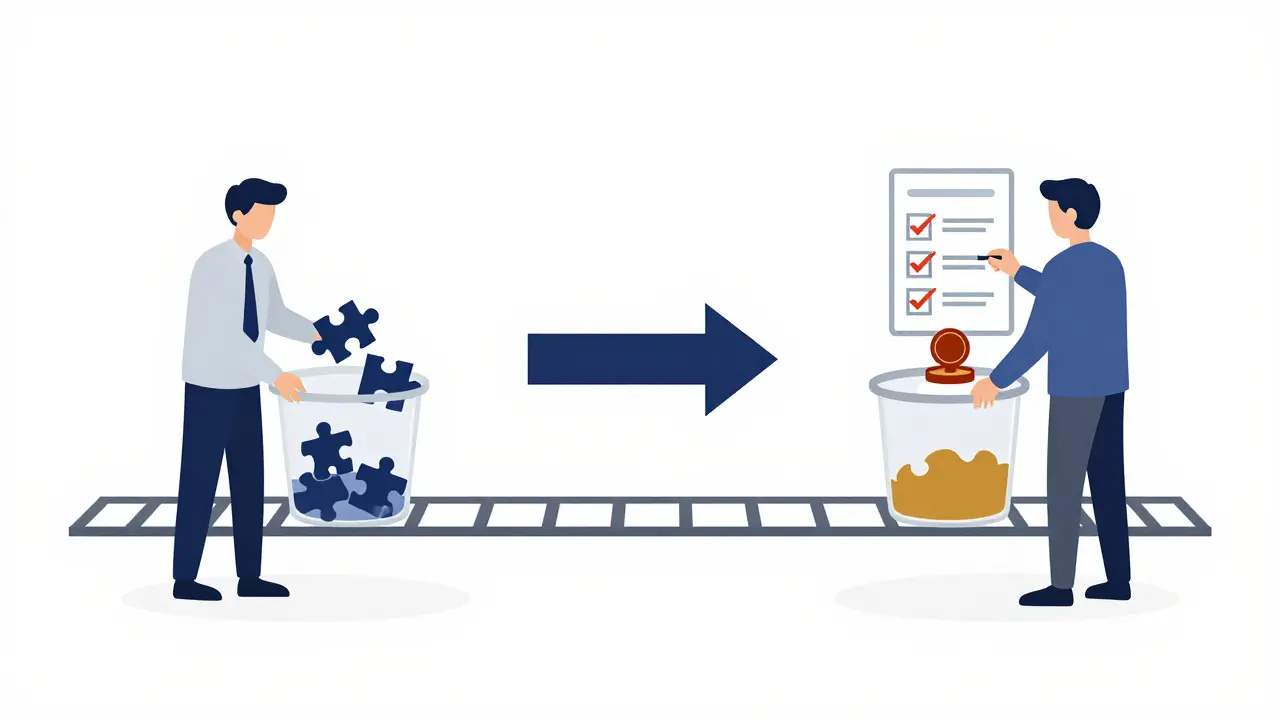
In early 2026, the Wikimedia Foundation Board of Trustees approved a restructuring of the T&S division. The key change involves separating the investigative function from the disciplinary decision-making process. Previously, a single senior manager often oversaw both the gathering of evidence and the final ruling. Now, two distinct leads report to the Director of Community Health:
- Investigation Lead: Responsible for fact-finding, interviewing parties, and compiling evidence logs. This role remains neutral and does not make final calls.
- Policy & Enforcement Lead: Reviews the compiled evidence against current Community Guidelines and issues sanctions, such as blocks or warnings.
This separation is designed to reduce bias. Critics argue it slows down resolution times, while supporters claim it adds a necessary layer of due process. For high-profile cases involving prominent editors, this dual-track system ensures that no single individual has unchecked power-a significant departure from the more centralized models seen in 2023-2024.
Impact on Volunteer Moderators and Stewards
You might wonder how this affects the Stewards-the globally elected volunteer admins who manage cross-wiki tools. The new framework explicitly defines the boundary between local project admins and global T&S staff. Local admins retain full authority over their specific language version of Wikipedia, but their actions are now subject to a faster appeal process if they deviate from established norms.
For example, if a local admin bans an editor for a minor infraction that contradicts global consensus, the T&S Policy & Enforcement Lead can review the case within 72 hours. This was previously a much slower, ad-hoc process handled by the Arbitration Committee (ArbCom). While ArbCom still exists for complex legal-like disputes, routine enforcement errors are now caught earlier by the dedicated T&S team. This shift reduces the backlog of appeals, which historically averaged over 90 days for resolution.
| Feature | Pre-2026 Model | 2026 Restructured Model |
|---|---|---|
| Decision Maker | Single Senior Manager | Dual Leads (Investigation + Policy) |
| Appeal Window | 30 Days | 72 Hours for Routine Errors |
| Volunteer Oversight | Ad-hoc ArbCom Review | Direct T&S Policy Review |
| Transparency Reports | Quarterly Summary | Monthly Detailed Logs |
Transparency and Data Availability
One of the biggest complaints from the community has always been the "black box" nature of T&S decisions. You could get blocked, file an appeal, and wait months for a response with little insight into what went wrong. The 2026 updates introduce a standardized template for all non-trivial decisions. Every block or warning issued by T&S staff must include:
- A summary of the alleged violation.
- The specific guideline cited.
- An anonymized excerpt of the evidence used.
- The rationale for the chosen sanction.
This doesn’t mean every trivial edit war gets a detailed dossier, but for anything involving a multi-day block or account-level ban, the documentation is now public. This aligns with the broader Open Knowledge Movement principles that underpin the entire Wikimedia ecosystem. By making these records accessible, the Foundation hopes to build trust through visibility rather than relying solely on institutional reputation.
Challenges and Criticisms
Naturally, not everyone is pleased. Some veteran editors feel that the increased bureaucracy slows down justice. If a bad-faith editor is vandalizing pages daily, waiting for a formal investigation log before acting can feel like paralysis. Others worry that the separation of duties creates gaps where responsibility is diluted. "Who do we complain to if both leads disagree?" is a common question in community forums. Additionally, there is concern about the cost. Hiring specialized legal-adjacent staff for T&S operations increases the Foundation’s operational budget. With donations remaining flat in several regions, some contributors question whether these administrative costs are worth it compared to funding direct content creation or server infrastructure. However, proponents argue that high turnover among good editors costs far more in lost knowledge and community cohesion than the salary of two additional staff members.

What This Means for Regular Users
If you’re a regular reader, the changes are invisible. You’ll still see the same articles, the same citations, and the same blue links. But if you ever decide to edit, create an account, or participate in discussions, the environment should feel slightly more predictable. The risk of arbitrary, unexplained bans decreases. The path to appeal is clearer and faster. The rules are documented in plain language rather than buried in nested policy pages.
For businesses or researchers relying on Wikipedia’s API or data dumps, the stability of the editorial community translates to more consistent data quality. Fewer disruptive edit wars mean fewer reverts and more stable article histories. This reliability is a subtle but valuable benefit of strong internal governance.
Frequently Asked Questions
Does the new T&S structure change how I can edit Wikipedia?
No, the basic right to edit remains unchanged. The changes only affect how disputes and rule violations are handled. Your ability to add text, images, or references is not restricted by the T&S leadership update.
How fast will my appeal be processed now?
Routine enforcement errors, such as accidental blocks, are reviewed within 72 hours by the Policy & Enforcement Lead. Complex cases involving multiple parties may still take longer, potentially up to two weeks, but the initial acknowledgment is guaranteed within 24 hours.
Who makes the final decision in a T&S case?
The Policy & Enforcement Lead makes the final decision based on the evidence package provided by the Investigation Lead. If either party disagrees, they can escalate to the Arbitration Committee, but this is now reserved for genuinely complex or precedent-setting cases.
Are the T&S decisions publicly visible?
Yes, for any sanction lasting longer than 24 hours, a summary including the reason and cited guidelines is published on the user’s talk page and logged in the T&S transparency repository. Private details are redacted to protect privacy, but the logic of the decision is open.
Does this affect other Wikimedia projects like Wikidata or Commons?
Yes, the new T&S framework applies across all major Wikimedia projects, including Wikidata and Wikimedia Commons. This ensures consistent enforcement standards regardless of which sister project you are active on.