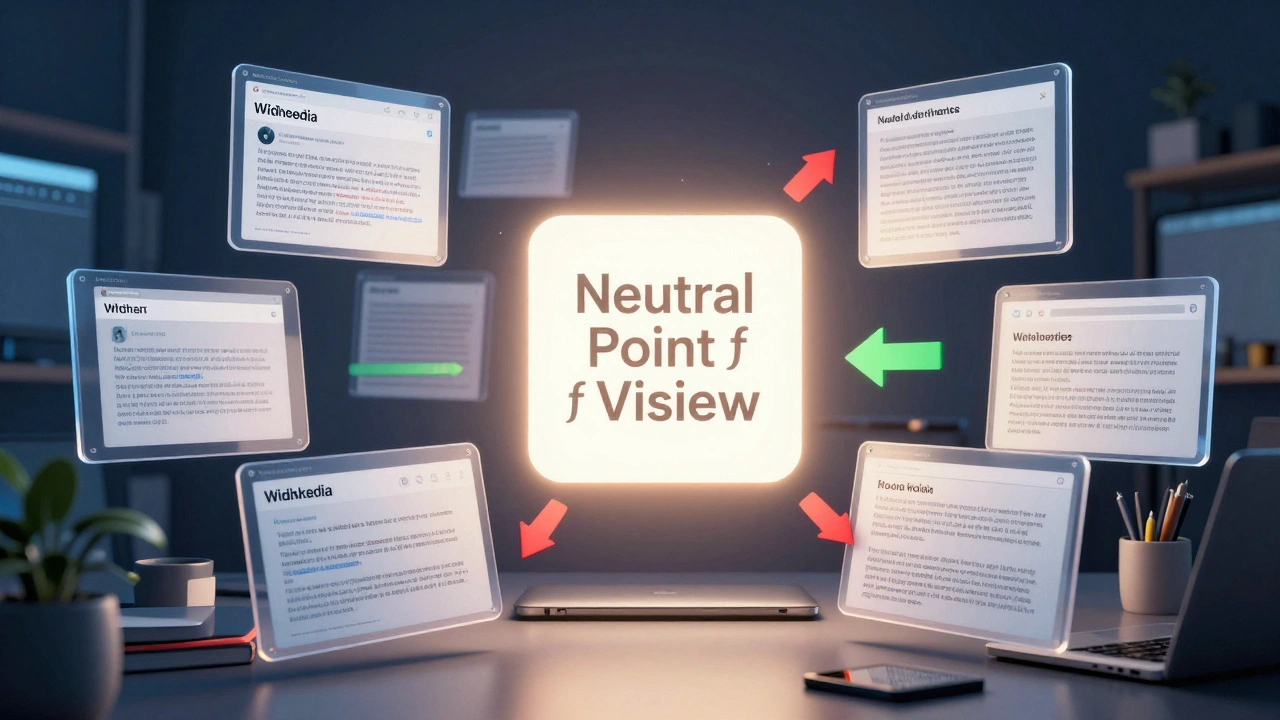
Wikipedia doesn’t have a fixed rulebook. It has a living system-constantly changing, debated, and rewritten by thousands of volunteers. Unlike official manuals locked in corporate servers, Wikipedia’s policies are open, editable, and often contested. This isn’t a flaw. It’s the reason Wikipedia still works after 20 years.
What Makes a Policy ‘Living’?
Most organizations write policies once and forget them. Wikipedia does the opposite. Every guideline-from how to cite sources to how to handle edit wars-is a draft that can be changed by anyone with an account. A policy isn’t law. It’s a shared agreement, constantly tested by real-world use.
Take the neutral point of view policy. When it was first written in 2001, it was a simple idea: don’t take sides. But as misinformation spread, especially around politics and health, editors realized neutrality wasn’t enough. You couldn’t just present both sides equally if one side was based on lies. So the policy evolved. Now, it includes the phrase “proportional representation”-meaning false claims don’t get equal space. That shift didn’t come from a boardroom. It came from editors fighting over articles about vaccines, climate change, and election fraud.
How Changes Actually Happen
Wikipedia doesn’t have a CEO. It doesn’t have a legal team approving updates. Changes happen through discussion pages, edit summaries, and consensus. If someone wants to change a policy, they don’t send an email. They start a talk page thread. They tag other editors. They wait weeks for feedback.
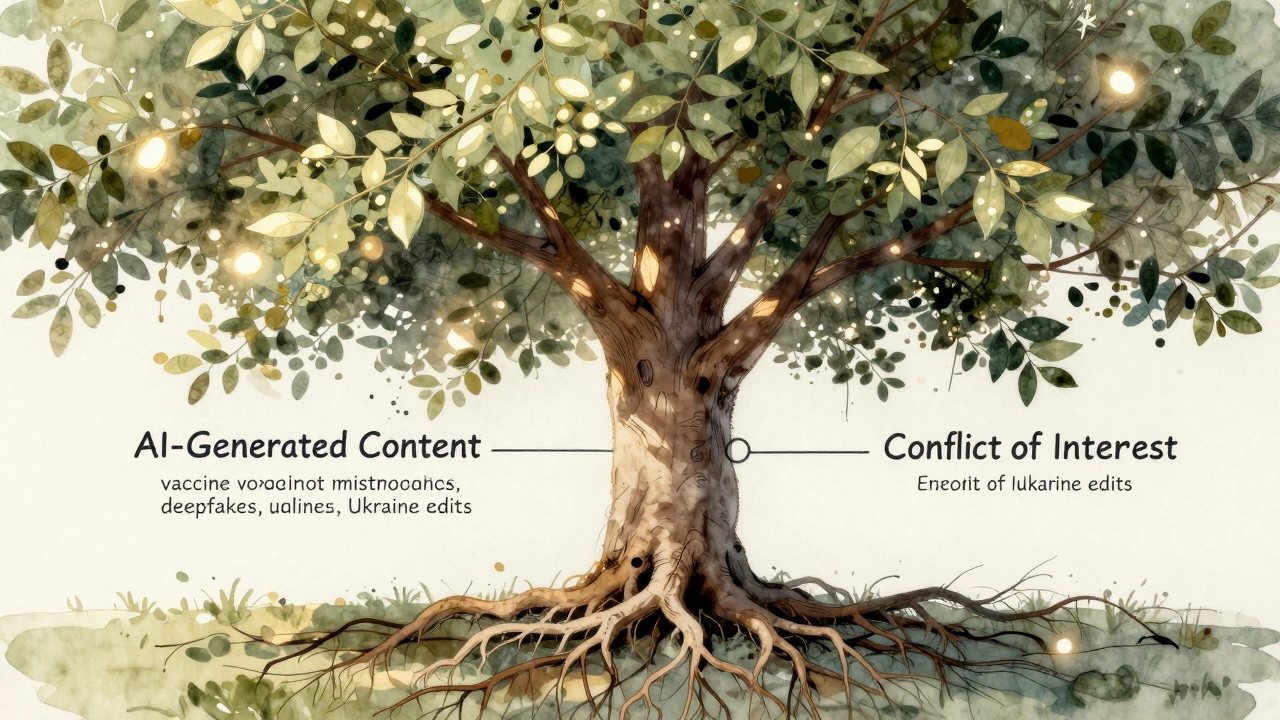
For example, in 2020, editors debated whether to allow AI-generated content in articles. At first, the answer was simple: no. But as tools like ChatGPT became common, some editors argued that AI summaries could help with background research-if properly cited. After months of debate, a new guideline emerged: AI-generated text can be used as a starting point, but must be rewritten in human language and verified with reliable sources. That’s now Policy:AI.
This process is slow. It’s messy. But it’s transparent. Every edit, every comment, every vote is archived. You can go back and see exactly how a policy changed-and why.
Real-World Problems Driving Change
Wikipedia’s policies don’t evolve in a vacuum. They react to real threats.
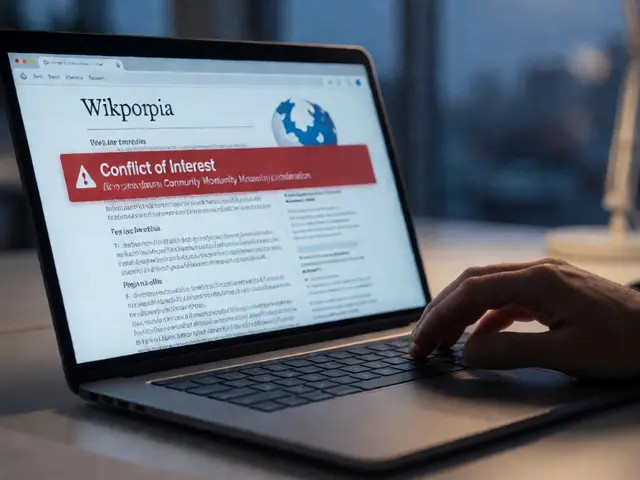
In 2017, a wave of coordinated editing campaigns pushed pro-Russian narratives into articles about Ukraine. Editors noticed patterns: new accounts editing at odd hours, using similar language, avoiding citations. The response wasn’t a ban. It was a new policy: Conflict of Interest guidelines were expanded to include state-sponsored editing. Editors started tagging suspicious edits with a warning template. Within a year, those patterns dropped by 70%.
Same thing happened with deepfakes. When AI-generated images started appearing in biographies-like fake photos of politicians-editors didn’t wait for a corporate policy. They created a new rule: no AI-generated images unless they’re clearly labeled as such, and only if they’re from verified public sources. Now, every AI-generated image on Wikipedia has a watermark template. It’s not perfect, but it’s a defense built by users, not lawyers.
The Role of Bureaucracy-And How It’s Avoided
Wikipedia has administrators. They can block users, delete pages, protect articles. But they can’t change policies. That power belongs to the community. This keeps bureaucracy in check.
When a policy gets too complex, editors simplify it. In 2021, the Notability guideline had over 30 sub-rules. Someone started a project to collapse them into three core principles: independent coverage, significance, and lasting impact. After six months of edits and feedback, the simplified version was adopted. Article creation rates went up. Disputes went down.
Wikipedia’s secret isn’t having the best rules. It’s having rules that can be fixed when they break.
What Happens When Consensus Fails?
Not every debate ends in agreement. Sometimes, editors split into camps. When that happens, Wikipedia has a safety valve: mediation and arbitration.
Mediation is informal. A neutral editor helps two sides talk it out. Arbitration is formal. A panel of experienced editors reviews the case, reads the logs, and issues a binding decision. These aren’t courts. But they carry weight. Violate an arbitration ruling, and you risk being blocked indefinitely.
In 2023, a heated dispute over how to handle Holocaust denial content reached arbitration. One side argued for strict deletion. The other said it should be included with heavy disclaimers. The panel ruled: denial content must be removed entirely, but educational context about denialism can remain if sourced from academic historians. That decision became a precedent. Now, it’s cited in over 200 policy discussions.
Why This Model Can’t Be Copied
Other platforms try to copy Wikipedia’s openness. They fail. Why?
Wikipedia’s model works because of three things: trust, transparency, and time.
Trust comes from decades of consistent behavior. Editors know that if they follow the rules, their edits won’t be reverted arbitrarily. Transparency means every decision is public. You can see who voted, who argued, and why. And time? Wikipedia doesn’t rush. It lets ideas simmer. A policy change can take months. That’s not inefficiency. It’s depth.
Compare that to social media platforms that change policies overnight to appease advertisers. Wikipedia doesn’t have advertisers. It has readers. And readers care about accuracy, not clicks.
What’s Next for Wikipedia’s Policies?
The biggest challenge now is generative AI. Not just in content creation-but in how people interact with Wikipedia.
Some users now ask AI assistants to summarize Wikipedia articles. Those assistants often misquote or hallucinate details. Editors are starting to track which AI tools pull from Wikipedia and how they distort the information. A new policy draft, called AI-Generated Summaries, is being tested. It proposes labeling articles that are frequently misused by AI systems with a warning icon.
Another emerging issue: global access. In countries where Wikipedia is blocked, users rely on mirror sites and cached versions. Those copies don’t update with policy changes. So editors are working on a lightweight, offline-friendly version of key policies that can be distributed via USB drives or SMS. It’s not glamorous. But it’s necessary.
Wikipedia’s policies aren’t about control. They’re about survival. Every edit, every discussion, every rule change is a response to a new threat-whether it’s misinformation, censorship, or technology. The system isn’t perfect. But it’s alive. And that’s why it still works.