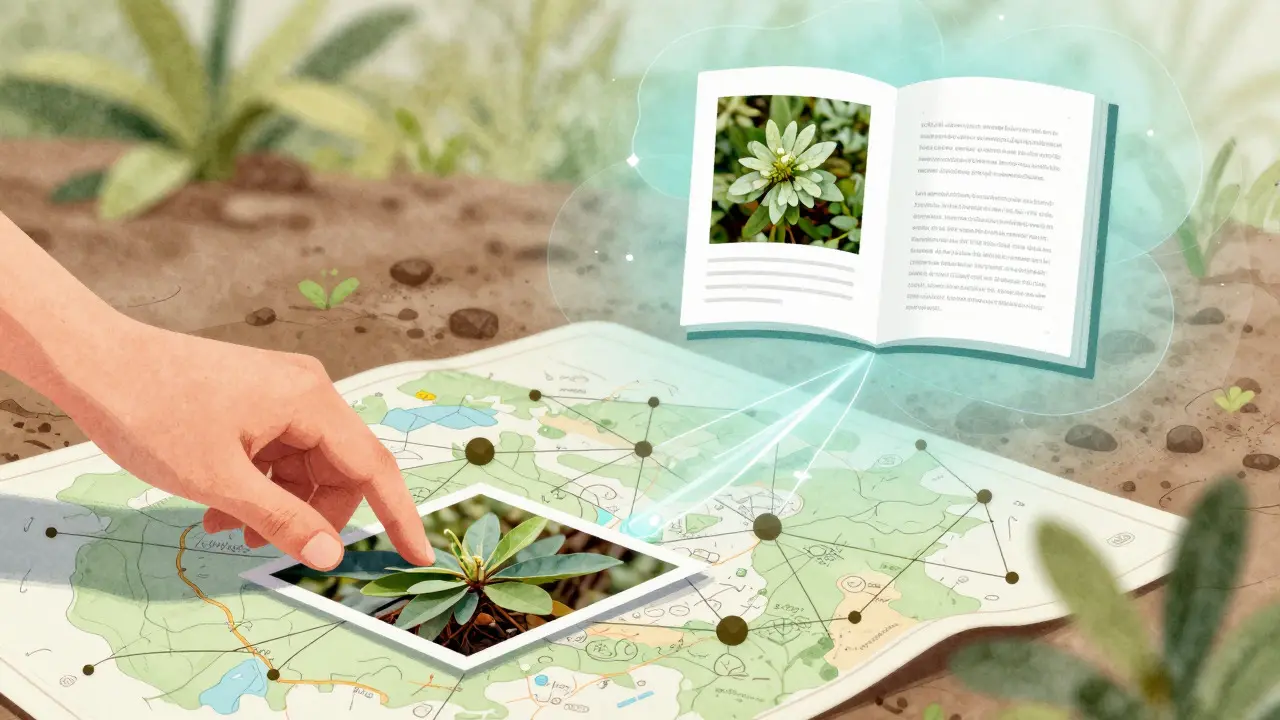
Every year, millions of photos of parks, forests, and wetlands disappear into the digital void. They sit on hard drives, cluttering cloud storage, unseen by anyone who might care. Wiki Loves Earth is a global photography contest that changes this dynamic. It invites volunteers to capture the natural world and upload those images to Wikimedia Commons, ensuring they become part of the public domain or freely licensed media used by Wikipedia. But here is the catch: the contest only works if local communities organize effectively. Without strong local coordination, participation drops, quality suffers, and the event fades into obscurity in specific regions.
This toolkit breaks down how to mobilize a team, manage the logistics of a photo competition, and ensure your local chapter actually wins attention. We are not talking about vague inspiration. We are talking about specific roles, timelines, and communication strategies that have worked for successful regional chapters in North America and Europe.
Understanding the Core Mechanics of Wiki Loves Earth
Wiki Loves Earth typically runs from May to June, coinciding with World Environment Day. The goal is simple: photograph protected areas like national parks, state reserves, and UNESCO sites. However, the administrative backbone is complex. Unlike casual social media challenges, every image must be uploaded to Wikimedia Commons with precise metadata. This includes GPS coordinates, camera settings, and license information (usually CC BY-SA 4.0). If you miss the metadata step, your photo is technically disqualified from many regional awards, even if it is visually stunning.
Organizers need to understand that this is a two-part event. Part one is the creative act of photography. Part two is the technical act of data curation. Most failed local events neglect the second part. Volunteers take great photos but struggle with the upload interface, leading to frustration and drop-off rates. Your organizing committee must bridge this gap between the artist and the archivist.
Building Your Local Organizing Committee
You cannot run this event as a solo effort. The workload peaks during the three weeks before the contest starts and the two weeks after it ends. You need a small, dedicated core team of four to six people. Here is the standard role distribution that has proven effective in past cycles:
- The Lead Coordinator: Handles all official communications with the global Wikimedia Foundation and regional partners. This person manages the budget and legal liabilities.
- The Technical Liaison: An expert in Commons uploads. They create templates for metadata so volunteers don’t have to figure out file naming conventions from scratch.
- The Outreach Manager: Responsible for recruiting photographers. They partner with local hiking clubs, birdwatching groups, and university environmental science departments.
- The Social Media Lead: Manages the local hashtag campaign. They track daily uploads and post "photo of the day" updates to keep momentum high.
Recruit these individuals at least four months before the event starts. Why so early? Because finding someone who understands both photography and open-source licensing is rare. You often need to train your technical liaison on the basics of photography, or vice versa. Building this rapport takes time.
Strategic Partnerships and Venue Selection
Don't just pick any park. Choose locations that offer diverse ecosystems within a short driving distance. For example, if you are in a region with both coastal wetlands and mountain forests, select two distinct sites. This allows photographers to choose based on their skill level and equipment. Coastal shots require different lighting techniques than forest interior shots.
Partner with local land management agencies. In the United States, this means contacting the National Park Service or State Parks Department. Ask them for permission to host a group gathering or a guided walk. Agencies love this because it promotes conservation awareness without costing them money. In exchange, ask for a list of "under-documented" species or landscapes in their jurisdiction. These are the gaps in Wikipedia that your participants can fill. Targeting specific gaps increases the likelihood of winning global awards because judges look for unique contributions, not just pretty pictures of the same waterfall.

The Communication Timeline
Consistency beats intensity. You do not need to spam your audience. You need to appear reliably. Here is a tested timeline for a standard May-June contest window:
- T-minus 8 Weeks: Announce the event. Release the call for volunteers. Open registration for the organizing committee.
- T-minus 6 Weeks: Publish the "Guide to Uploading." This should be a simple PDF or webpage explaining how to tag photos correctly. Include screenshots.
- T-minus 4 Weeks: Host a virtual Q&A session. Invite local photographers to ask questions about licenses and copyright. Address fears about losing ownership of their work.
- T-minus 2 Weeks: Send reminder emails. Share tips on lighting and composition for nature photography. Reiterate the deadline for entries.
- Contest Week 1 & 2: Post daily highlights on social media. Use a consistent hashtag, e.g., #WikiLovesEarthLocalName. Engage with every comment.
- T-plus 1 Week: Close submissions. Thank participants publicly. Start the internal judging process.
- T-plus 3 Weeks: Announce local winners. Submit top entries to the regional and global rounds.
Technical Support and Metadata Best Practices
The biggest barrier to entry is the technical friction of uploading. To mitigate this, create a pre-filled template for your participants. On Wikimedia Commons, you can use the "UploadWizard" tool. Advise your volunteers to always include the following fields:
| Field | Why It Matters | Example Value |
|---|---|---|
| Description | Judges read this first. Be specific. | "Golden Eagle perched on cliff face at Yosemite National Park, California, USA" |
| Date Taken | Must match EXIF data for verification. | May 15, 2025 |
| Location | GPS coordinates help map the coverage area. | 37.7459° N, 119.5929° W |
| License | Mandatory for free reuse. | CC BY-SA 4.0 |
| Category | Ensures proper indexing on Commons. | National Parks of California |
Encourage participants to check their EXIF data before uploading. If the date in the file metadata doesn't match the date stated in the description, the image may be flagged for deletion later. This is a common pitfall that disqualifies otherwise excellent work. Provide a simple script or online tool link that strips unnecessary EXIF tags while keeping the essential ones.
Incentivizing Participation and Retention
People join contests for prizes, but they stay for community. While cash prizes or gift cards are helpful, the real incentive is recognition. Create a local leaderboard. Update it weekly. Highlight not just the best photos, but the most active contributors. Recognize the person who uploaded 50 images of obscure plant species, not just the one who took the single most dramatic landscape shot.
Also, connect the activity to a larger purpose. Remind volunteers that their photos will likely be featured in Wikipedia articles. Show them examples of local landmarks that previously had no images, and now do, thanks to last year's participants. This tangible impact is a powerful motivator for long-term engagement. When a participant sees their photo on the main page of a Wikipedia article, they feel like a contributor to human knowledge, not just a hobbyist taking pictures.
Evaluating Success Beyond Numbers
How do you know if your organizing effort was successful? Don't just count the number of uploads. That metric is vanity. Look at quality metrics instead. Track the percentage of images that remain on Commons six months after the contest ends. If half your uploads get deleted due to poor metadata or low resolution, your technical training failed. Track the number of new user accounts created specifically for the event. High churn rates indicate that the onboarding process was too difficult. Finally, measure the reach of your social media campaign. Did you engage existing users, or did you attract new audiences? The latter indicates true growth in your local community.
Use these insights to refine next year's strategy. Document what worked and what didn't in a shared drive accessible to future coordinators. Institutional memory is crucial for the longevity of local chapters. Without documentation, every new coordinator starts from zero, repeating the same mistakes.
Frequently Asked Questions
Do I need professional camera equipment to participate?
No. Smartphone photography is fully accepted. The key requirement is image quality sufficient for large-format display (minimum 10 megapixels recommended) and accurate metadata. Many winning entries in recent years were taken with mid-range smartphones.
What happens to the copyright of my photos?
You retain copyright. By uploading to Wikimedia Commons under a Creative Commons license (like CC BY-SA), you grant others the right to share and adapt your work as long as they credit you. You can revoke this license later, but it complicates the status of the image on Commons.
How many photos can I submit?
There is no strict limit on the number of files, but there is a limit on the total storage space allocated to each user account on Commons. Most individual participants submit between 10 and 50 high-quality images. Quality generally outweighs quantity in judging criteria.
Can I photograph private property if it looks like a natural area?
Only if you have explicit permission from the landowner. The contest focuses on protected public lands, but private reserves are allowed if access is granted. Always verify the legal status of the land before shooting to avoid trespassing issues.
Who judges the local winners?
A panel of three to five local experts usually handles local judging. This panel typically includes experienced photographers, Wikimedia community members, and representatives from local environmental organizations. Judging criteria focus on technical execution, artistic merit, and informational value to the encyclopedia.