For years, volunteers behind Wikipedia and other Wikimedia projects have kept the free knowledge movement alive - editing, organizing, teaching, and fighting misinformation one edit at a time. But organizing these efforts used to mean juggling spreadsheets, emailing lists, and guessing which events actually moved the needle. That’s changing. The Wikimedia Campaigns Team just rolled out a new suite of tools designed specifically for community organizers, and it’s the biggest upgrade to grassroots support since the early days of WikiProject.
What’s New? Tools Built by Organizers, for Organizers
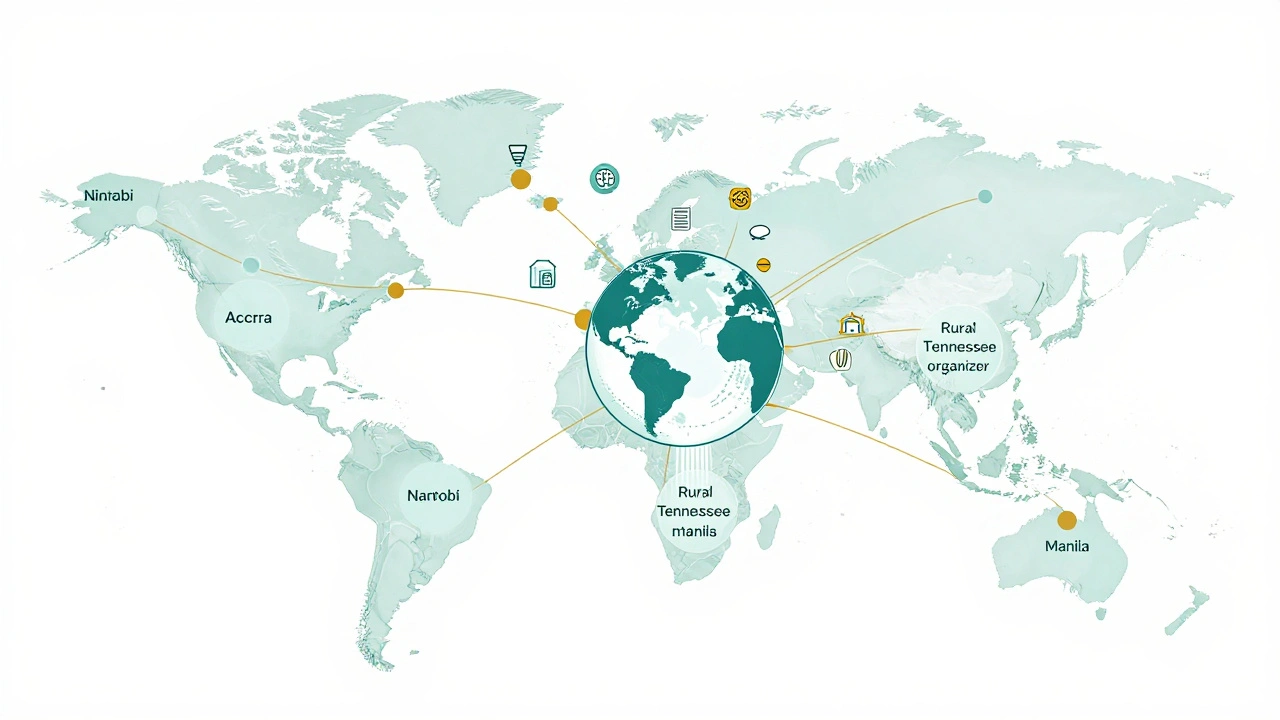
The new tools aren’t flashy apps. They’re quiet, practical upgrades that solve real problems volunteers face every day. The Campaigns Team spent over a year talking to organizers in 23 countries - from Nairobi to Manila to rural Iowa - asking: What’s slowing you down? What do you wish you had?
The result? Four core tools launched in November 2025:
- Event Planner - A simple calendar system that auto-synchronizes with local holidays, Wikimedia Foundation deadlines, and major edit-a-thons worldwide. No more double-booking events or missing the window for funding applications.
- Participant Tracker - Instead of collecting sign-up sheets by hand or using Google Forms that don’t talk to each other, this tool tracks who attended, what they edited, and how many new articles they created. It even links edits to user accounts automatically.
- Impact Dashboard - Shows real-time metrics: how many new editors joined, how many articles improved, how much content was added in which language. No more guessing if your workshop made a difference.
- Grant Connector - Matches your event type and location with available microgrants. If you’re hosting a women’s history edit-a-thon in Brazil, it suggests the exact grant form, deadline, and required documentation - no searching through 50-page PDFs.
These aren’t just features. They’re a shift in philosophy. Before, organizers had to be part-time tech support, data entry clerks, and event planners all at once. Now, the tools handle the grunt work. That means more time for what matters: building relationships, training new editors, and telling stories that aren’t on Wikipedia yet.
Why This Matters for Local Communities
Wikipedia doesn’t grow because of algorithms. It grows because someone in a small town decided to write about their grandmother’s recipe book, or the local river that was erased from maps after a flood. But those stories don’t get written unless someone organizes the effort.
In 2024, a group of high school students in Oaxaca, Mexico, used the old tools to plan a three-week campaign to add 120 entries about indigenous languages. It took them 87 hours of manual tracking. With the new tools, the same group completed a 200-article campaign in six weeks - and spent 40 fewer hours on admin.
That’s the difference. The tools reduce friction. They make it possible for people who aren’t tech-savvy to still be powerful contributors. A librarian in rural Tennessee can now run a successful Wikipedia workshop without knowing how to code. A community center in Accra can track the impact of their monthly edit sessions without hiring a data analyst.
The Campaigns Team didn’t just build software. They built access.
How It Works Behind the Scenes
These tools don’t live in a silo. They connect to Wikimedia’s existing infrastructure - the same edit histories, user accounts, and content repositories that power Wikipedia. That means everything you do with the new tools feeds back into the open knowledge ecosystem.
For example, when an organizer uses the Participant Tracker, every edit made during their event is tagged with a campaign ID. That tag lets researchers study patterns: Which topics are underrepresented? Which regions have the highest retention of new editors? That data helps the Foundation make smarter decisions about where to invest resources.
And because the tools are open-source, anyone can fork them, adapt them, or translate them. A group in Ukraine already built a version that works offline - critical for areas with unstable internet. That version is now being tested in other conflict zones.
The real innovation isn’t the code. It’s the trust. The Campaigns Team didn’t dictate what organizers needed. They listened. They shared early prototypes. They let volunteers break things, then fixed them together.
Who Can Use These Tools?
Anyone who runs or wants to run a Wikimedia-related event. That includes:
- Librarians hosting public edit-a-thons
- University professors assigning Wikipedia writing as coursework
- Nonprofits teaching digital literacy to seniors
- Community groups documenting local history
- Students organizing campus-wide content drives
You don’t need to be a Wikipedia expert. You don’t need a budget. You don’t even need to know what a “wiki” is. The tools guide you step by step. The first-time organizer interface walks you through setting up your first event in under 10 minutes.
And if you’re already running events? The upgrade is seamless. Your old event data migrates automatically. Your past campaigns show up on the new Impact Dashboard. You don’t start over. You level up.
What’s Missing? What’s Next?
Nothing’s perfect yet. The tools still don’t fully support non-Latin scripts in all languages - Arabic and Devanagari interfaces are still being polished. Some organizers in low-bandwidth areas report slow loading times. The Campaigns Team says those fixes are coming in January 2026.
They’re also testing a new feature: AI-assisted article suggestions. If you’re running a campaign about local wildlife, the system might suggest 3-5 underdeveloped articles based on regional biodiversity data. It doesn’t write the article. It just points you to the gaps.
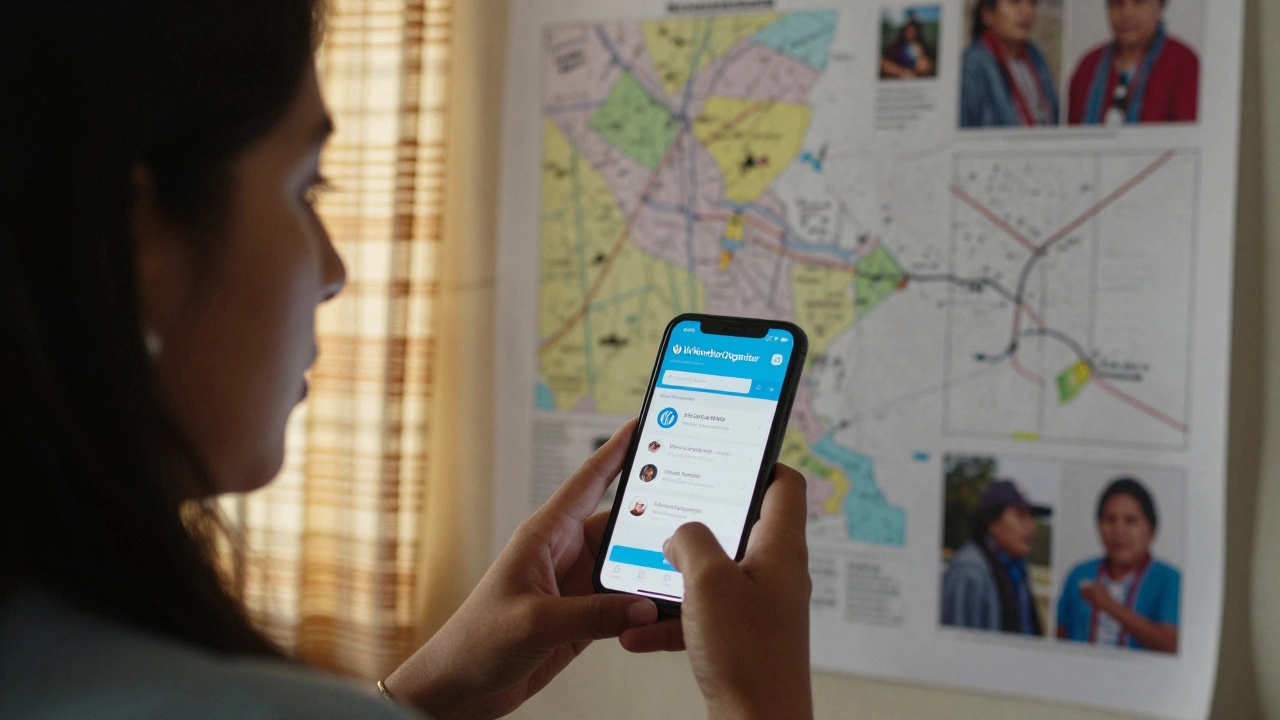
What’s clear is that this is only the beginning. The Campaigns Team is already planning a mobile app version for organizers who work mostly on phones. They’re also exploring partnerships with local governments to embed these tools into public library training programs.
How to Get Started
Getting access is free and open to everyone. Here’s how:
- Go to campaigns.wikimedia.org (no login required to browse).
- Click “Start a Campaign” and pick your event type - edit-a-thon, training, photo walk, etc.
- Fill in basic details: location, date, target topic.
- The system generates a custom toolkit: promotional templates, sample social media posts, a printable sign-in sheet.
- When you’re ready, click “Launch.” Your campaign is now tracked, visible to other organizers, and eligible for grants.
There’s no approval process. No waiting. No forms to print. Just click and go.
Real Impact, Measured in Edits
Early numbers from the first month of rollout are telling. In just 30 days:
- Over 8,000 new editors signed up through campaign events - a 47% increase compared to the same period last year.
- More than 220,000 new or improved articles were created, with 38% in languages other than English.
- Retention of new editors after 30 days jumped from 12% to 29% - meaning more people kept editing after their first event.
These aren’t abstract metrics. They’re real people. A retired teacher in Poland adding entries about WWII memorials. A teenager in Nigeria documenting local proverbs. A group of nurses in Peru writing about traditional herbal remedies.
Each edit is a tiny act of resistance against information inequality. And now, the tools make it easier for anyone to join in.
Final Thought: Knowledge Is a Team Sport
Wikipedia isn’t a monument. It’s a living conversation. And conversations need organizers - people who show up, invite others, and make space for voices that aren’t usually heard.
The Wikimedia Campaigns Team didn’t just give organizers better software. They gave them permission to be powerful. To be seen. To know that their work matters - not just to Wikipedia, but to the communities they serve.
If you’ve ever thought about starting a Wikipedia project but didn’t know where to begin - now you do. The tools are ready. The door is open. All you have to do is walk through it.
Do I need to be a Wikipedia expert to use these tools?
No. The tools are designed for beginners. The interface walks you through setting up your first event step by step. You don’t need to know how to edit Wikipedia before you start. Many organizers have never made an edit themselves - they just want to help others learn.
Are these tools free to use?
Yes. All tools are completely free, with no hidden fees, subscriptions, or ads. They’re funded by the Wikimedia Foundation and built by volunteers. You don’t need to donate or sign up for anything to access them.
Can I use these tools for events outside of Wikipedia?
Yes. The tools support all Wikimedia projects: Wiktionary, Wikiquote, Wikimedia Commons, Wikisource, and Wikidata. You can organize photo uploads to Commons, create dictionary entries, or build data sets for research - all through the same interface.
Is my data private?
Your personal information - like your email or address - is never shared publicly. Only aggregated, anonymized data (like total number of edits or participants) is visible to others. You control what details you share when you create your campaign.
Can I translate these tools into my language?
Yes. The tools are fully localized and support over 40 languages. If your language isn’t available yet, you can join the translation team on Meta-Wiki. The Campaigns Team actively recruits volunteer translators - no coding skills needed.