Have you checked your Wikimedia Diff feed lately? If not, you might be missing out on some of the most significant shifts happening within the Wikipedia ecosystem right now. As of August 2026, the blog serves as the primary pulse point for editors, developers, and readers who care about how the world’s largest encyclopedia functions. It isn’t just a changelog; it’s a window into the strategic direction of the Wikimedia Foundation, revealing where resources are being poured and which community debates are reaching a resolution.
The core value of tracking these highlights lies in staying ahead of interface changes that can disrupt your workflow. Whether you’re a veteran editor with thousands of contributions or a newcomer trying to understand citation standards, the technical and policy updates published here directly impact how you interact with the platform. Let’s break down the critical themes dominating the conversation this year.
Editorial Tools and Interface Overhauls
One of the most talked-about topics on the blog recently is the evolution of the visual editing experience. The transition from the legacy Visual Editor to the newer VisualEditor framework has been gradual, but recent posts detail specific improvements aimed at reducing edit conflicts and simplifying complex page structures. For instance, the introduction of real-time collaboration features allows multiple users to work on different sections of an article simultaneously without overwriting each other's changes. This is a massive step forward for high-traffic articles where edit wars used to be common.
Beyond the visual layer, the underlying codebase continues to shift toward more modular components. Developers have highlighted the integration of MediaWiki extensions that handle structured data more efficiently. This means that infoboxes and tables are no longer just static HTML; they are becoming dynamic entities that can pull live data from external sources when permitted. If you rely on accurate, up-to-date statistics in your edits, understanding these backend changes is crucial. The blog often provides direct links to sandbox environments where you can test these new tools before they roll out globally, giving power users a head start.
Policy Shifts and Community Governance
Technology only works if people agree on how to use it. That’s why policy discussions featured on the Diff blog are just as important as software updates. In 2026, a major focus has been on refining the criteria for Notability. The community has been grappling with how to define significance for emerging fields like artificial intelligence ethics and climate technology. Recent blog posts summarize the outcomes of several Requests for Comments (RFCs) that clarify how to cite non-traditional sources, such as social media posts from verified experts or government data dashboards.
Governance structures are also evolving. The blog frequently covers updates regarding the Wikimedia Board of Trustees elections and the expansion of regional chapters. There is a growing emphasis on decentralizing decision-making power to local communities, ensuring that editorial standards reflect global perspectives rather than just Western ones. For editors in underrepresented regions, these posts often contain vital information about new grants and funding opportunities designed to support language-specific projects.
Data Integrity and Open Access Initiatives
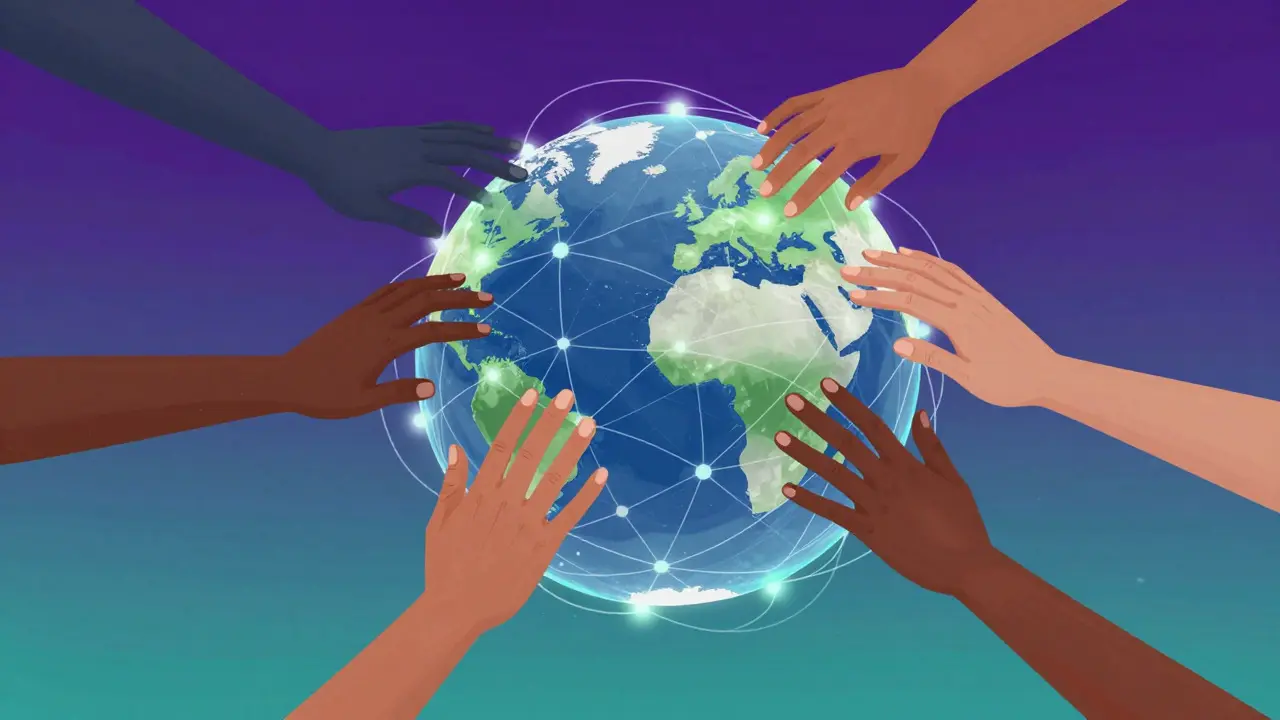
At its heart, Wikipedia is a project about open knowledge. The Diff blog highlights ongoing efforts to improve data integrity through better licensing frameworks and interoperability with other open-source projects. A key theme in recent months has been the alignment of Creative Commons licenses across all Wikimedia projects. This ensures that content shared between Wikipedia, Wikidata, and Wikisource remains legally consistent, making it easier for third-party apps to integrate Wikipedia data without legal ambiguity.
Furthermore, the initiative to connect Wikipedia with academic repositories has gained traction. Posts detailing partnerships with universities and research institutions show how citations are being automated using Citation Tooling upgrades. These tools now automatically verify DOI numbers and fetch metadata from publisher databases, drastically reducing the time editors spend manually formatting references. For researchers and students, this means higher reliability in the sources listed on any given page.
| Update Area | Key Feature | Impact on Editors | Status (Aug 2026) |
|---|---|---|---|
| Visual Editor | Real-time Collaboration | Reduces edit conflicts | Rolling out to all languages |
| Citation Tools | Automated DOI Verification | Saves time on referencing | Live on English & German Wikipedias |
| Licensing | Unified CC-BY-SA 4.0 Enforcement | Clearer legal rights for reuse | Complete across all projects |
| Search | AI-Assisted Query Parsing | Faster, more relevant results | Beta testing phase |
Search Improvements and Discoverability
How do you find what you need? Search functionality has always been a pain point for large-scale wikis, but recent blog entries suggest meaningful progress. The implementation of AI-assisted query parsing is currently in beta. Unlike simple keyword matching, this system understands context and intent. If you search for "the president of France," it doesn’t just look for those exact words; it understands you likely want the current officeholder, even if the phrasing varies slightly. This is powered by machine learning models trained specifically on Wikipedia’s unique structure and terminology.
Discoverability also extends to related topics. The sidebar recommendations have been updated to use collaborative filtering based on reading patterns. If you read an article about quantum computing, you’ll see suggestions for adjacent topics like cryptography or semiconductor physics, curated by algorithms that analyze user behavior across the entire platform. While purists may worry about algorithmic bias, the blog notes that these systems are transparent and auditable, allowing community members to flag incorrect associations.
Staying Engaged: How to Use These Highlights
Reading the blog is one thing; acting on it is another. To get the most out of these updates, consider setting up RSS feeds for specific categories like "Technical" or "Community." This way, you don’t have to scroll through every post to find what matters to your specific niche. Additionally, joining the associated mailing lists or Discord servers mentioned in the posts can provide immediate clarification if a change confuses you.
Remember that Wikipedia is a living document. What is true today might change next month due to a new policy vote or a software bug fix. By keeping an eye on the Diff blog, you ensure that your edits remain compliant with current best practices and that you aren’t fighting against the grain of the platform’s development. It’s a small habit that pays off in smoother editing experiences and fewer reverts.
Frequently Asked Questions
Is Wikimedia Diff the only source for official Wikipedia news?
While it is the primary technical and strategic blog, individual language versions of Wikipedia also have their own noticeboards. However, for cross-project updates, infrastructure changes, and foundation-level announcements, the Diff blog is the authoritative source.
Do I need to be a developer to understand the posts?
No. Most posts are written for a general audience of editors and readers. Technical details are usually explained in plain language, and complex code changes are summarized by their functional impact on the user interface.
How often are new highlights posted?
The frequency varies, but there is typically at least one substantial post per week. Major releases or policy decisions may trigger additional urgent updates outside of the regular schedule.
Can I comment directly on the blog posts?
Generally, no. The blog itself is a broadcast channel. Discussion usually happens on linked talk pages, mailing lists, or community forums referenced within the post. Check the footer of each article for specific discussion links.
What happens if I ignore these updates?
You will likely continue to edit successfully, but you may encounter unexpected interface changes or find your edits reverted due to outdated policy interpretations. Staying informed helps maintain consistency and efficiency in your contributions.