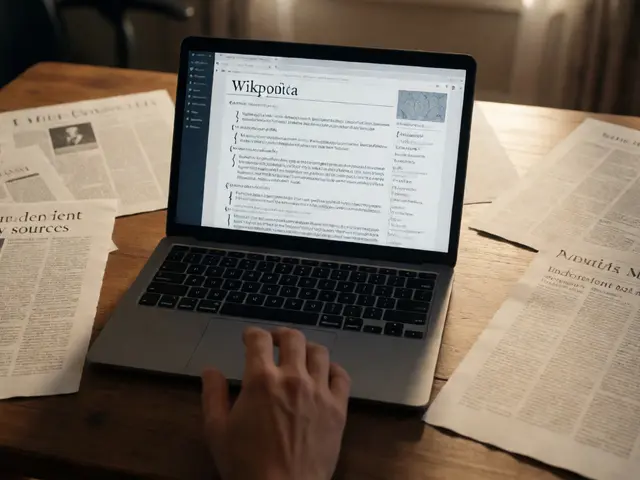
Imagine waking up to find that the organization behind the world's largest encyclopedia has completely changed how it makes decisions. That is exactly what happened when the Wikimedia Foundation announced significant leadership changes and organizational restructuring designed to decentralize power and improve community engagement. For years, critics argued that a small group of board members in San Francisco held too much sway over projects like Wikipedia, Wikidata, and Wikimedia Commons. The new structure aims to fix this by shifting authority to local chapters and global communities.
Why the Wikimedia Foundation Needed a Shakeup
The push for change didn't happen overnight. It grew out of frustration among editors who felt disconnected from major policy decisions. When the foundation decided to implement controversial software updates or change licensing terms, many volunteers felt their voices were ignored. This disconnect threatened the core value of the project: consensus-based editing. By centralizing control, the risk was that the spirit of open collaboration would fade, replaced by top-down management typical of commercial tech companies.
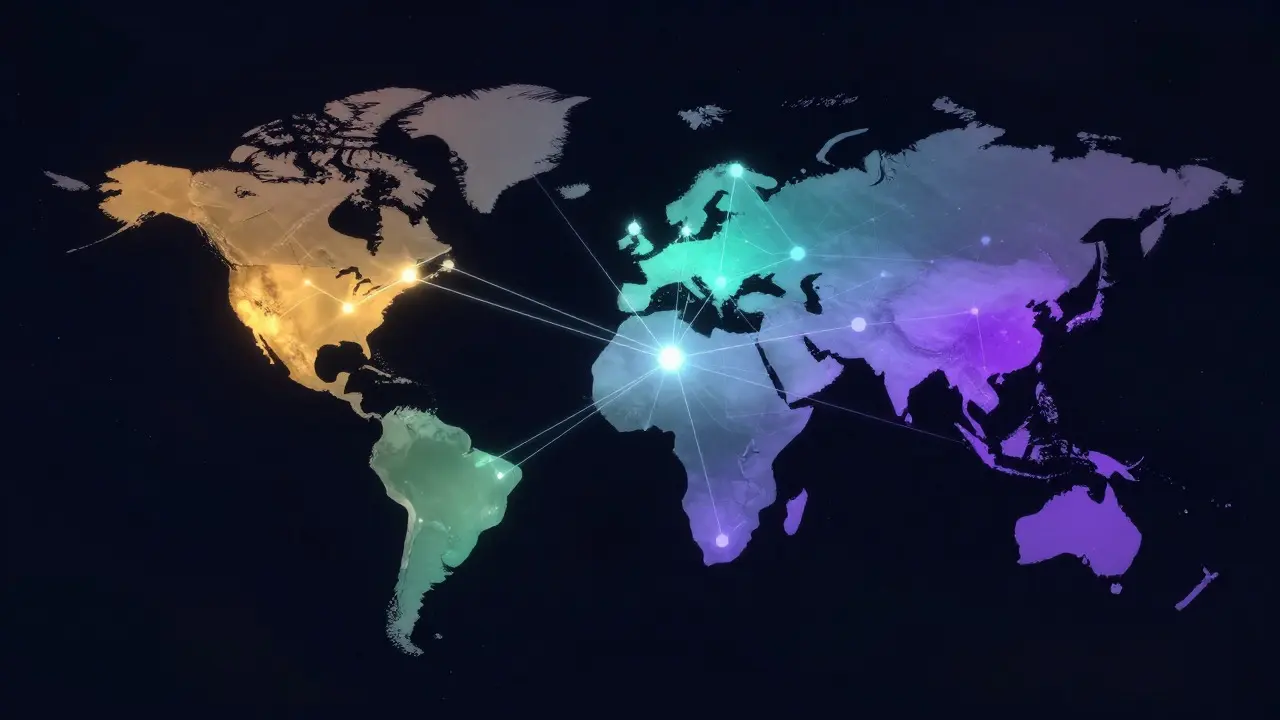
The solution involves a multi-layered approach. Instead of one board making all calls, decision-making power is being distributed across different levels. Local language communities get more say on content policies, while technical infrastructure decisions remain with specialized committees. This isn't just about politics; it's about sustainability. With hundreds of millions of monthly visitors, the financial and operational burden is too heavy for a single entity to bear alone without risking burnout or stagnation.
Key Components of the New Structure
To understand how this works, you need to look at three main pillars of the restructured organization:
- The Global Board of Trustees: This body still exists but now focuses primarily on legal compliance, financial health, and strategic direction. They no longer micromanage day-to-day operations of individual wiki projects.
- Regional Chapters and User Groups: Organizations like Wikimedia Deutschland and Wikimedia UK gain greater autonomy. They can manage local grants, hire staff for regional needs, and make content-related decisions that affect their specific user base.
- Project-Specific Committees: Each major project, such as English Wikipedia or German Wikipedia, will have elected committees responsible for dispute resolution and policy enforcement. These committees are directly accountable to their respective editor communities rather than the central foundation.
This separation ensures that a dispute in the Spanish-speaking community doesn't bog down resources meant for the Japanese community. It creates a modular system where each part can evolve independently while staying connected to the central infrastructure.
Impact on Editors and Contributors
If you edit Wikipedia regularly, how does this affect your daily work? For most casual contributors, very little changes immediately. You still edit articles, cite sources, and follow existing guidelines. However, the long-term benefits are significant. Dispute resolution becomes faster because local committees handle conflicts without waiting for central arbitration. Policy debates become more relevant because the people voting are the ones actually doing the work.
For administrators and stewards, the role shifts slightly. You may find yourself interacting more with local coordinators than with global bureaucrats. This means building relationships within your specific linguistic community becomes more important than navigating complex international hierarchies. The goal is to reduce administrative fatigue, which is a leading cause of volunteer burnout in large online communities.
Financial Implications and Funding Models
Restructuring always raises questions about money. How will these new entities be funded? The Wikimedia Endowment continues to provide the baseline support for servers, development, and legal costs. However, regional chapters are encouraged to diversify their funding streams. This includes seeking government grants, corporate sponsorships, and larger individual donations tailored to local priorities.
| Decision Type | Previous Model (Centralized) | New Model (Distributed) |
|---|---|---|
| Content Policy Changes | Global Board Approval Required | Local Project Committee Vote |
| Software Feature Rollouts | Technical Advisory Board | Community Tech Council + Local Feedback Loops |
| Budget Allocation | Single Central Budget | Shared Core Budget + Independent Chapter Budgets |
| Dispute Resolution | ArbCom (Global Arbitration Committee) | Local Ombudspersons + Escalation Path |
This hybrid model allows for flexibility. If a chapter in India wants to invest in mobile optimization for Hindi readers, they don't need to wait for approval from a committee in California. They can act quickly, test solutions, and share successes with other regions. This agility is crucial for keeping pace with changing user habits, especially as mobile access surpasses desktop usage in many parts of the world.

Challenges and Potential Pitfalls
No restructuring is without risk. One major concern is inconsistency. If every region makes its own rules, could the quality of information vary significantly between languages? To mitigate this, the foundation maintains strict standards for factual accuracy and sourcing. While editorial tone might differ, the core requirement for verifiability remains universal. Another challenge is coordination. With more independent actors, communication overhead increases. Misunderstandings between chapters could lead to fragmented efforts or duplicated work.
There is also the risk of capture. In smaller communities, a few vocal individuals might dominate local committees, recreating the centralization problem on a smaller scale. To prevent this, term limits and rotation policies are being introduced. No single person should hold power indefinitely, ensuring fresh perspectives and preventing entrenched interests from blocking necessary changes.
What This Means for the Future of Open Knowledge
Ultimately, these changes signal a maturation of the Wikimedia movement. It is moving from a single, monolithic project to a federated network of communities. This mirrors how successful open-source software projects operate, where maintainers collaborate across borders while respecting local contexts. For readers, this means a more resilient encyclopedia. If one region faces political pressure or funding cuts, others can continue operating independently.
The success of this restructuring will be measured not by immediate metrics, but by long-term engagement. Are more people joining? Are disputes resolved faster? Is the community happier? Early signs suggest cautious optimism. Volunteers report feeling more empowered, and local chapters are already experimenting with new outreach strategies. The road ahead is complex, but the direction is clear: power belongs to the people who build the knowledge, not just those who host it.
Will Wikipedia articles change due to the restructuring?
Not immediately. Existing articles remain unchanged unless edited by contributors. However, future policy changes regarding formatting, sourcing, or neutral point of view may be decided by local committees rather than a global board, potentially leading to subtle differences in editorial style across language versions over time.
Who funds the new regional chapters?
Funding comes from a mix of sources. The central Wikimedia Endowment provides baseline support for shared infrastructure. Regional chapters supplement this with local donations, government grants, and corporate partnerships specific to their country or region. This diversification reduces reliance on any single source of income.
How does this affect dispute resolution for editors?
Disputes are now handled first by local ombudspersons or project-specific committees. Only if a conflict cannot be resolved locally does it escalate to a higher-level body. This speeds up resolution times and ensures that mediators understand the specific cultural and linguistic context of the dispute.
Can I vote on these structural changes?
Direct voting on high-level structural changes is limited to members of the Wikimedia Assembly, which includes representatives from chapters, user groups, and the global community. However, public consultations are held before major decisions, allowing any contributor to submit comments and influence the final outcome.
Is the English Wikipedia affected differently than other languages?
The English Wikipedia, being the largest project, has a more complex internal governance structure. It retains its own Arbitration Committee and Stewards' Committee, which now coordinate closely with the new regional frameworks. Smaller language wikis may adopt simpler models suited to their size, meaning the experience varies depending on which version you contribute to.