Imagine a world where the most visited encyclopedia in history is written almost entirely by people who speak English. For decades, that was the reality. But today, if you type a query into Wikipedia the free online encyclopedia that has become the primary reference source for billions of users worldwide in Swahili, Hindi, or Quechua, you are seeing the direct result of a quiet revolution led by Wikimedia Regional Hubs local communities of editors and organizers dedicated to growing specific language versions of Wikimedia projects. These hubs aren't just volunteer groups; they are the structural backbone that turns scattered individual efforts into sustained linguistic infrastructure.
The problem wasn't a lack of speakers. It was a lack of coordination. Before regional hubs, an editor in Lagos might have been working in isolation, unaware of an editor in Nairobi facing the exact same technical barriers. Now, these hubs act as bridges between the global Wikimedia movement and local linguistic realities. They don't just translate articles; they build the culture of contribution that keeps a language version alive long after the initial excitement fades.
What Are Wikimedia Regional Hubs?
Regional Hubs geographically or linguistically defined groups that coordinate volunteers to support Wikimedia projects in specific areas were formally recognized by the Wikimedia Foundation the non-profit organization that hosts Wikipedia and its sister projects, providing funding and legal protection to decentralize decision-making. Think of them as the local government of the open knowledge ecosystem. While the Foundation handles servers and trademarks, the Hubs handle people.
Each hub focuses on a specific cluster of languages or a geographic region. For example, the Africa Hub a collective effort to grow Wikimedia content across the African continent, focusing on local languages and indigenous knowledge doesn't just look at "English" or "French." It prioritizes Hausa, Yoruba, Zulu, and Amharic. This specificity matters because it allows strategies to be tailored to local internet access patterns, educational systems, and cultural priorities.
The Mechanics of Language Growth
How does a hub actually make a language grow? It’s not magic; it’s logistics and psychology. A new language version of Wikipedia often starts with fewer than 100 active editors. At that stage, one person leaving can kill the project. Hubs stabilize this by creating a safety net.
- Onboarding Pipelines: Hubs create standardized guides for new editors. Instead of learning from scratch, a new contributor in Tamil can follow a path designed by experienced Tamil-speaking editors.
- Technical Advocacy: When a font isn't supported properly or a search algorithm fails for right-to-left scripts, hubs aggregate these complaints and present them to the Wikimedia Engineering the team responsible for developing and maintaining the software infrastructure behind Wikimedia projects team. This ensures that technical debt doesn't silence minority languages.
- Content Sprints: Hubs organize events where dozens of editors work together to translate or create articles on a specific topic, such as local history or science. This creates a burst of activity that boosts visibility and encourages others to join.
This approach shifts the focus from "how many articles do we have?" to "how sustainable is our community?" A language version with 50,000 articles but only five active editors is fragile. A version with 5,000 articles and 200 active editors is robust. Hubs optimize for the latter.

Case Study: The Rise of the South Asian Hub
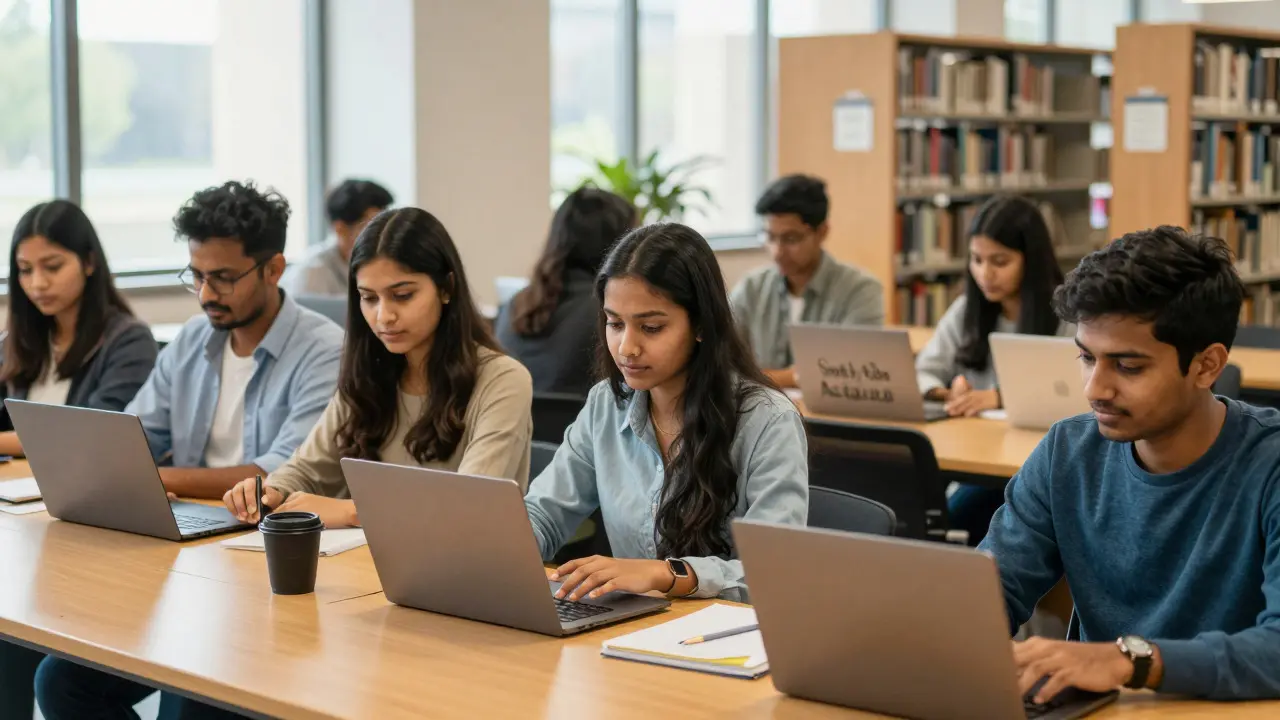
Consider the work done in South Asia. Languages like Bengali, Urdu, and Marathi have massive speaker bases, yet their Wikipedia versions lagged behind for years. The South Asia Hub a regional group focused on coordinating Wikimedia activities across India, Pakistan, Bangladesh, and neighboring countries changed this dynamic by partnering with universities. They didn't just ask students to edit; they integrated Wikipedia editing into coursework. This created a pipeline of young contributors who saw editing as a skill-building exercise rather than just a hobby.
The result was a measurable increase in the number of new editors per month. More importantly, the quality of content improved because these new editors brought academic rigor to their contributions. The hub acted as a translator between the academic world and the open web, proving that formal education and informal community building can coexist.
Challenges Beyond Translation
It’s easy to assume that the main barrier to language growth is translation. In reality, it’s much more complex. Many languages lack digital infrastructure. If a language doesn’t have a standardized keyboard layout or proper Unicode support, editing becomes a nightmare. Hubs spend significant time advocating for these foundational technologies.
There is also the issue of bias. Global knowledge is often centered on Western perspectives. A hub in the Middle East might prioritize articles on local architecture, poetry, and political history that are completely missing from the English version. This isn't just about adding words; it's about diversifying what we consider "knowledge." By empowering local hubs, Wikimedia Commons a repository of freely usable media files, including images, audio, and video, hosted by the Wikimedia Foundation gains richer, more diverse visual content that reflects global realities.
| Aspect | Pre-Hub Era | Post-Hub Era |
|---|---|---|
| Coordination | Individual, isolated efforts | Structured, community-led teams |
| Technical Support | Ad-hoc requests to global engineers | Aggregated advocacy via regional representatives |
| Content Focus | Translation of existing English articles | Original creation + targeted translation |
| Sustainability | High churn rate of editors | Lower churn due to community belonging |
The Role of Technology in Empowering Hubs
Technology enables these hubs to scale. Tools like the Translate Extension a tool within MediaWiki that allows users to translate interface messages and article text between languages reduce the friction of cross-language collaboration. But beyond software, the real power lies in network effects. When a hub in Southeast Asia solves a problem regarding mobile accessibility, that solution is shared with hubs in Latin America. This cross-pollination accelerates growth globally.
Furthermore, data analytics play a crucial role. Hubs use metrics to track progress, not just in terms of article count, but in terms of editor retention, gender balance, and geographic spread. This data-driven approach allows them to pivot strategies quickly. If a particular campaign isn't attracting new editors, they can change the tactic before wasting resources.
Why This Matters for the Future of Knowledge
We live in an increasingly connected world, but knowledge remains unevenly distributed. If only 5% of Wikipedia's content is in the top 10 languages, then the vast majority of humanity is reading a filtered version of reality. Open Knowledge information that is freely available for anyone to use, share, and modify without restriction cannot be truly open if it is locked behind linguistic barriers.
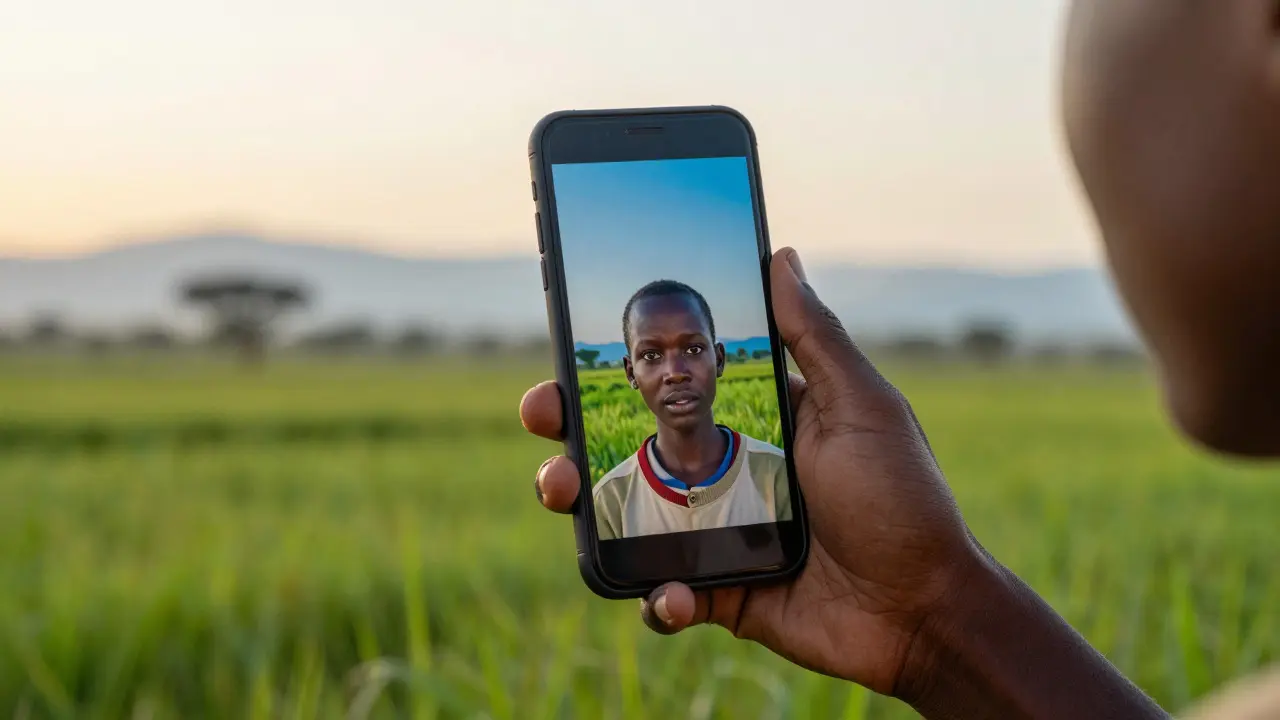
Regional hubs are the mechanism that breaks these barriers. They ensure that a student in rural Kenya, a researcher in Kyoto, and a teacher in Bogotá all have access to reliable, locally relevant information. It’s not just about charity; it’s about accuracy. Local knowledge is best documented by locals. By investing in regional hubs, the entire ecosystem benefits from a more complete and nuanced understanding of the world.
Who funds Wikimedia Regional Hubs?
Most hubs receive grants from the Wikimedia Foundation, but many also seek local corporate sponsorships and university partnerships. This diversified funding model helps ensure stability and reduces reliance on a single source.
Do I need to be fluent in the language to contribute?
Not necessarily. While content creators need fluency, technical supporters, designers, and event organizers can contribute in English or other widely spoken languages. Hubs value diverse skill sets, not just linguistic ones.
How is a Regional Hub different from a User Group?
User Groups are smaller, often city-based communities. Regional Hubs are larger, strategic entities that coordinate multiple user groups and set broader policies for a region or language cluster. Hubs have more formal recognition and budget authority.
Can I start a Hub for my own language?
Yes, but it requires a committed core team and a clear plan. You should first connect with existing user groups or similar hubs to learn from their experiences. The Wikimedia Foundation provides guidance and mentorship for aspiring hub leaders.
What is the biggest challenge facing language growth today?
Sustainability. Many language versions see a spike in activity during events but struggle to maintain momentum afterward. Hubs address this by building long-term community structures, mentorship programs, and institutional partnerships that outlast short-term campaigns.