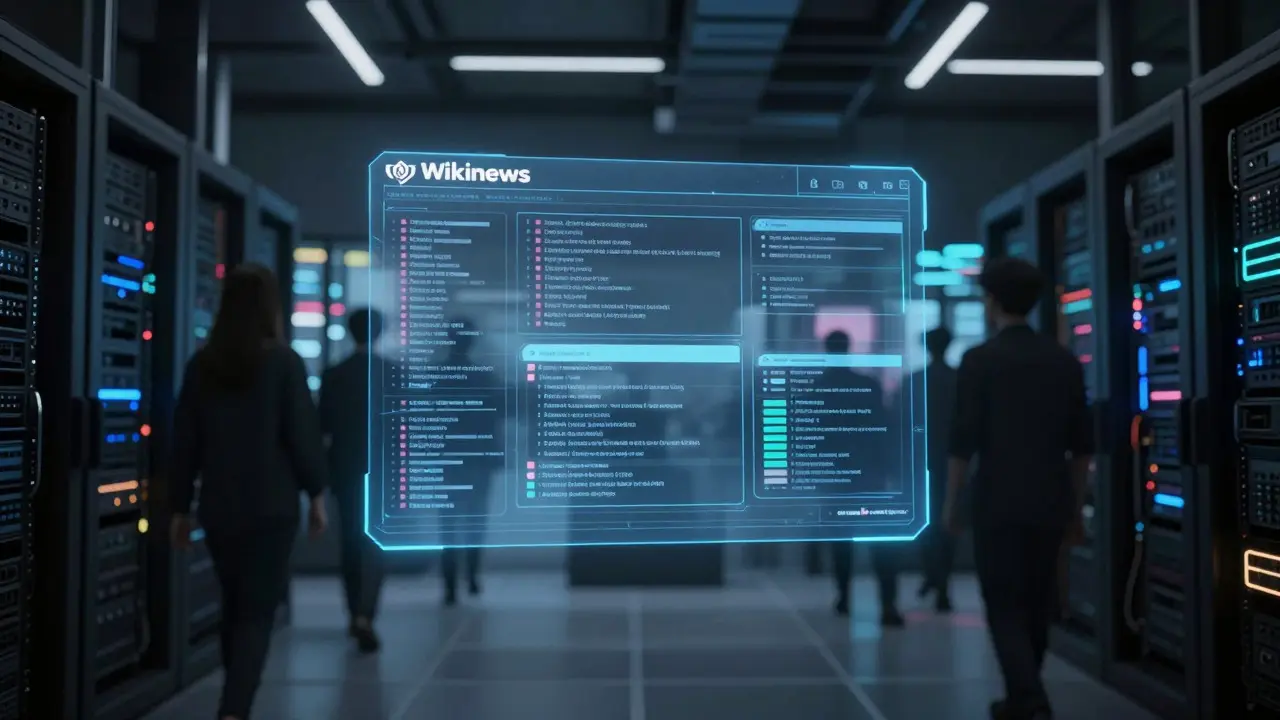
It is rare for a major digital platform to sit on the brink of extinction while still holding millions of users. Wikinews is a free, open-source collaborative news website that allows anyone to write and edit current events articles. Launched in 2004 as part of the broader Wikimedia Foundation ecosystem, it aimed to democratize information by letting the public shape the narrative of daily events. Yet, two decades later, the project faces a stark reality: declining engagement, strict editorial standards that deter new writers, and a fragmented audience that has moved to social media and algorithmic feeds.
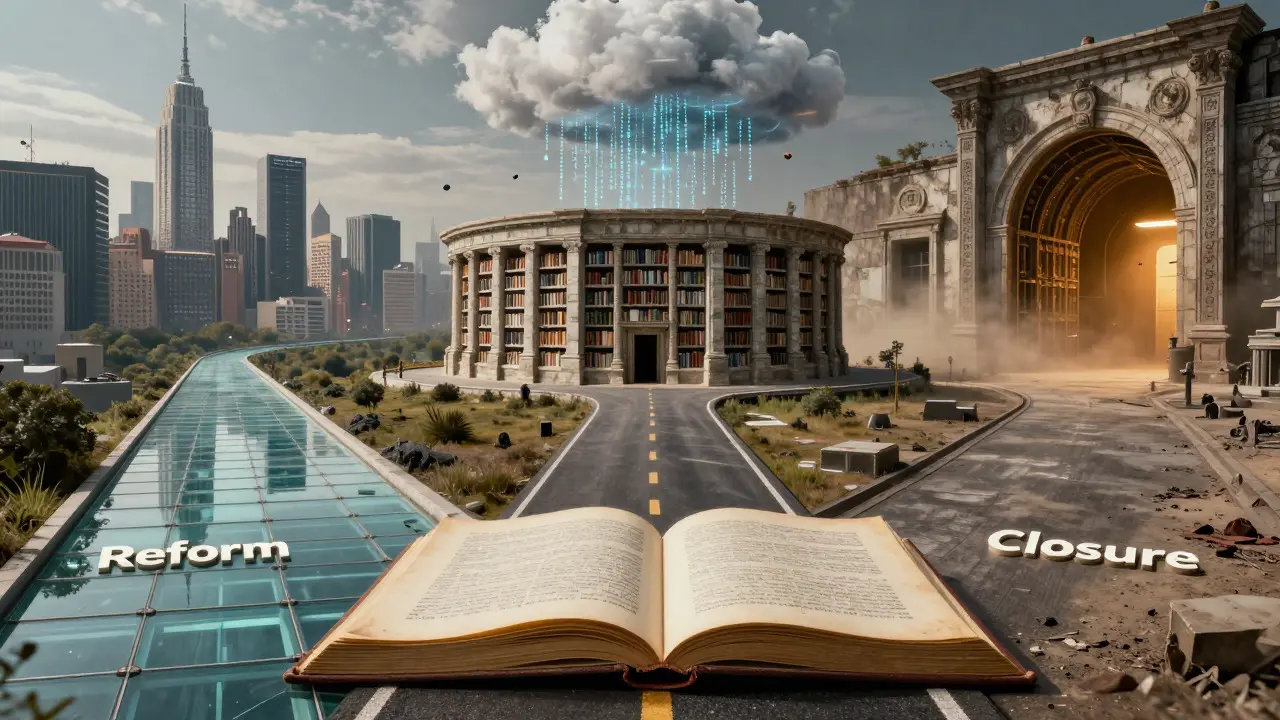
The question on everyone's mind isn't just whether Wikinews will survive, but how. The options are clear: radical reform, strategic integration into other Wikimedia projects, or eventual closure. Each path carries distinct risks and rewards for the community of editors and the readers who rely on neutral, verifiable reporting without paywalls.
The Current State of Play
To understand where Wikinews is going, we have to look at where it stands today. Unlike its sibling, Wikipedia, which benefits from a massive base of casual contributors, Wikinews requires a higher threshold for participation. Articles must be based on reliable sources, written in a neutral point of view, and often undergo rigorous peer review before publication. This quality control was intended to build trust, but it has also created a bottleneck.
As of mid-2026, the number of active editors has stabilized at a low level, far below its peak in the late 2000s. Traffic remains steady among dedicated users but lacks the viral growth seen in mainstream media. The core issue is not lack of interest in news, but rather a mismatch between the effort required to contribute and the immediate gratification offered by modern platforms. When a user wants to report on a local event, they face a complex editing interface and strict guidelines, whereas posting to X (formerly Twitter) or LinkedIn takes seconds.
Scenario One: Radical Reform
The first potential path is a comprehensive overhaul of the platform's structure and culture. This scenario involves lowering the barrier to entry while maintaining credibility. Imagine a simplified editor mode similar to what many modern CMS platforms offer, paired with AI-assisted fact-checking tools that flag unsourced claims automatically.
- Simplified Onboarding: New users could draft stories using plain text boxes, with the system automatically formatting them according to Wikinews style guides.
- AI-Assisted Verification: Integrating machine learning models to cross-reference claims against established databases, reducing the manual burden on senior editors.
- Community Revitalization: Launching mentorship programs where experienced editors guide newcomers through their first few published pieces.
This approach requires significant funding and technical development. The Wikimedia Foundation would need to allocate resources specifically for Wikinews infrastructure, moving away from the "shared codebase" model that prioritizes Wikipedia. If successful, this could reposition Wikinews as a hub for citizen journalism that rivals professional outlets in accuracy but surpasses them in accessibility.
Scenario Two: Strategic Integration
If standalone reform seems too costly or risky, the second option is integration. Instead of operating as a separate entity, Wikinews content could be merged into Wikipedia’s main namespace or a dedicated "Current Events" module within the encyclopedia. This leverages Wikipedia’s immense traffic and contributor base.
Proponents argue that news articles are essentially time-stamped encyclopedic entries. By integrating them, the content gains longevity and discoverability. A story about a political election on Wikinews becomes a section in the Wikipedia article for that politician or party, ensuring the information doesn't get lost when the news cycle moves on.
However, critics point out that this dilutes the immediacy of news. Wikipedia is designed for stability, not volatility. Merging daily updates into static pages could lead to edit wars and confusion for readers expecting a chronological feed. The challenge here is technical: creating a seamless way to display recent news updates alongside historical context without cluttering the interface.

Scenario Three: Managed Closure
The third scenario is the most difficult to accept but perhaps the most realistic given current trends. A managed closure would involve archiving all existing content, redirecting users to relevant Wikipedia articles, and ceasing active operations. This is not a failure; it is a resource reallocation. The energy and funds spent maintaining a struggling platform could be redirected to improving Wikipedia’s citation systems or supporting other language editions.
Closure would mean the end of real-time collaborative news writing. However, the archive would remain accessible, serving as a historical record of global events as interpreted by a diverse, international community. For many, this is a pragmatic choice: better to have a preserved history than a hollow shell that no one visits.
| Factor | Radical Reform | Strategic Integration | Managed Closure |
|---|---|---|---|
| Cost | High (development & staffing) | Moderate (technical merging) | Low (archival only) |
| Risk to Content | Low | Medium (context loss) | None (preserved) |
| User Experience | Improved (easier editing) | Changed (no live feed) | Ended (read-only archive) |
| Long-term Viability | Uncertain (depends on adoption) | High (leverages Wikipedia) | N/A (project ends) |
| Impact on Community | Reinvigorated | Dispersed into Wikipedia | Dissolved |
The Role of Technology and AI
Regardless of which path is chosen, technology will play a pivotal role. The rise of large language models has changed the landscape of content creation. For Wikinews, AI offers both a threat and an opportunity. On one hand, automated bots can now generate news summaries faster than human editors. On the other hand, AI can assist in translation, making Wikinews truly global by instantly rendering articles in dozens of languages.
If Wikinews chooses reform, investing in AI-driven moderation is essential. These tools can detect bias, verify sources against known databases, and suggest edits for clarity. This reduces the workload on human volunteers, allowing them to focus on high-level editorial decisions rather than basic copyediting. The key is transparency: users must know when AI is involved in the process to maintain trust in the neutral point of view.
What Readers Really Want
Ultimately, the decision hinges on what the audience values. Do readers want a place to read breaking news, or do they want a place to understand the background of those events? Surveys from the Wikimedia community suggest a split preference. Younger users prefer speed and brevity, favoring social media. Older, more engaged users value depth and neutrality, preferring Wikipedia-style explanations.
If Wikinews aims to serve the latter group, integration might be the sweet spot. It provides the depth of an encyclopedia with the timeliness of a news site. If it aims to capture the former, it needs to become faster and lighter, which aligns with the reform scenario. There is no one-size-fits-all solution, but there is a clear demand for credible, ad-free news that isn't controlled by corporate algorithms.
Decision Framework for Stakeholders
For the Wikimedia Foundation and the volunteer community, the decision should be based on three metrics: sustainability, impact, and alignment with mission. Sustainability asks if the project can be maintained with current resources. Impact measures how much unique value Wikinews adds compared to Wikipedia alone. Alignment checks if the project still fits the foundation's goal of free knowledge for all.
- Assess Resource Allocation: Determine how much funding and developer time is currently diverted from Wikipedia to support Wikinews.
- Measure Unique Value: Analyze how many articles exist solely on Wikinews that have no equivalent on Wikipedia.
- Pilot Changes: Test small reforms, such as a new mobile interface or AI assistant, to gauge community response before committing to a full-scale strategy.
This phased approach minimizes risk. If pilots fail, the cost is low. If they succeed, the data supports a larger investment in reform or integration.
Frequently Asked Questions
Will Wikinews disappear completely?
Not necessarily. Even in a closure scenario, the content would likely be archived and accessible. In reform or integration scenarios, the brand might change, but the collaborative news-writing concept would continue in some form.
How does Wikinews differ from Wikipedia?
Wikipedia focuses on stable, encyclopedic knowledge about people, places, and concepts. Wikinews focuses on current events and breaking news. While both use similar software, their editorial goals and timelines are different. News is ephemeral; encyclopedias are permanent.
Can anyone edit Wikinews articles?
Yes, any registered user can edit. However, because news changes quickly, there are stricter rules about sourcing and neutrality to prevent misinformation. Senior editors often monitor changes closely to ensure quality.
Is Wikinews still active in 2026?
Yes, it remains operational. New articles are published regularly, though the volume is lower than in previous years. The community continues to debate its future direction actively.
What is the biggest challenge facing Wikinews?
The biggest challenge is balancing quality with accessibility. High standards ensure credibility but discourage new contributors. Finding a middle ground that attracts more writers without compromising accuracy is the central hurdle.