Ever stared at a Wikipedia page that felt like it deserved the trash bin, only to realize deleting it isn’t as simple as clicking a button? You’re not alone. For new editors, the Articles for Deletion (AfD) process can feel like navigating a minefield of red tape and strict rules. But once you understand the mechanics, it becomes a straightforward way to keep the encyclopedia clean and high-quality.
This guide breaks down exactly how AfD works, from spotting a candidate to casting your final vote. We’ll skip the bureaucratic jargon and focus on what actually matters: getting the right result for the article in question. Whether you want to save a borderline entry or remove clutter, knowing the steps ensures your voice is heard by the community.
What Is Articles for Deletion?
Articles for Deletion is a semi-automatic process on Wikipedia where editors propose the deletion of an article based on specific criteria, such as lack of notability or poor quality. It sits between immediate deletion and speedier removal processes. Unlike a simple "delete" tag, AfD gives the community time to debate whether the subject deserves its own standalone page.
The core principle here is consensus. There is no single administrator who makes the final call. Instead, hundreds of editors leave comments and votes over a set period. If the majority agrees the article doesn't meet Wikipedia's standards, it gets deleted. If they think it does, it stays. This democratic approach prevents one person from having too much power, but it also means you need to make your case clearly.
When Should You Nominate an Article?
Not every bad article belongs in AfD. Before you start, check if the article qualifies for faster processes. If it’s completely blank or just says "Hello world," use a speedy deletion tag. If it’s a duplicate of another page, merge them. AfD is specifically for articles that are worth discussing but currently fail to meet the bar for staying.
Common reasons for an AfD nomination include:
- Lack of Notability: The subject doesn't have significant coverage in reliable sources outside of Wikipedia.
- Poor Quality: The writing is so bad it hinders readability, despite good content potential.
- Original Research: The article contains unpublished findings or interpretations not found in published sources.
- Merge Candidate: The content fits better as a section within a larger, existing article.
If you're unsure, look at the article's talk page first. Sometimes, previous editors have already discussed these issues. If there’s no recent activity, you’re clear to proceed.
Step-by-Step: How to Nominate an Article
Nominating an article takes about five minutes if you know where to click. Here is the exact workflow:
- Check the Talk Page: Ensure no other deletion discussions are currently active. Duplicate nominations cause confusion.
- Add the Template: On the article's talk page, add the template
{{afdc}}(for candidates) or{{afd}}. The most common starting point is the{{afd}}template with a reason. For example:{{afd|reason=Notability unclear, few reliable sources}}. - Fill in the Details: The template will prompt you for the date and a brief summary. Keep it factual. Avoid emotional language like "this is garbage." Instead, say "lacks independent secondary sources."
- Submit the Nomination: Once saved, the article automatically appears on the main AfD queue. You don’t need to manually list it anywhere else.
A pro tip: Always link to specific sections of the article that prove your point. If you claim there’s no notability, cite the specific paragraphs where you looked for sources and found none. This saves other editors time and strengthens your argument.
The Voting Process and Consensus Building
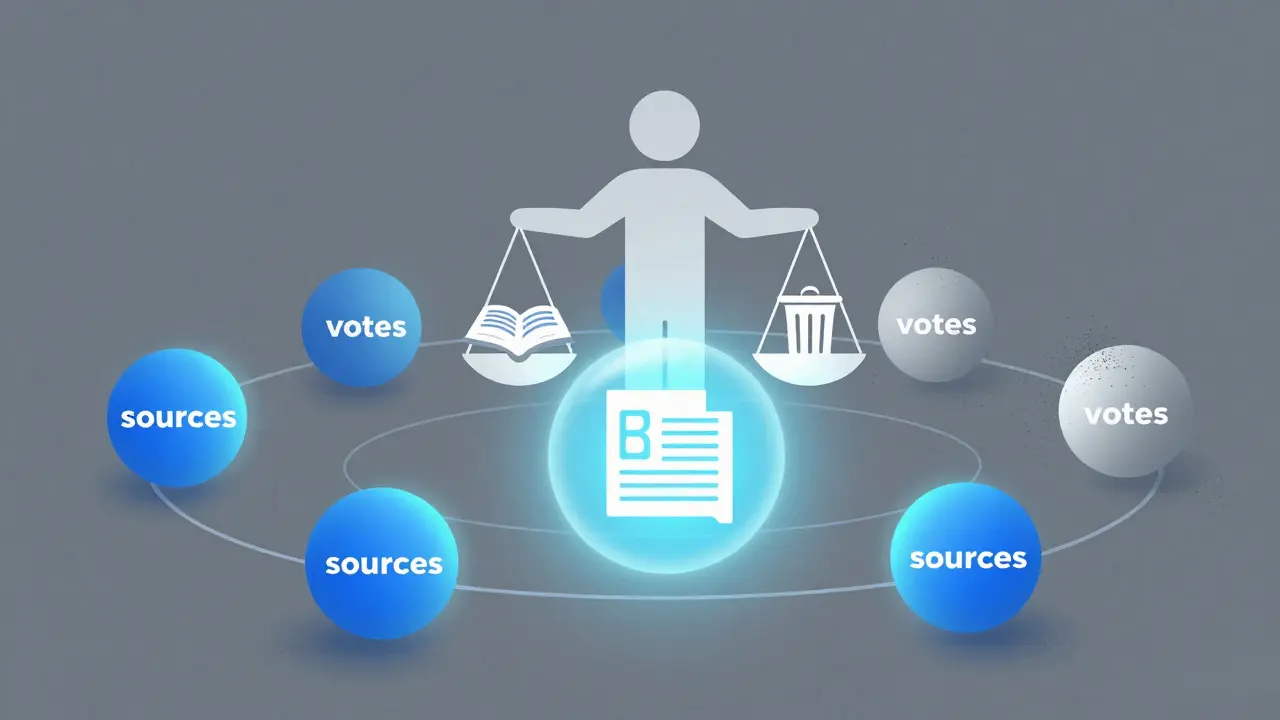
Once nominated, the clock starts ticking. Standard AfD discussions last seven days. During this time, anyone can comment. The goal isn’t just to count votes; it’s to build consensus. A single strong argument can outweigh ten weak ones.
Here’s how the dynamics usually play out:
- Keepers: Editors who argue the article should stay often find new sources or suggest improvements. They might propose merging content into a broader topic.
- Deleters: Those arguing for deletion focus on missing criteria, such as verifiability or notability. They may point out that the subject is covered adequately in a different article.
- Closers: An experienced editor (not necessarily an admin) reviews the discussion at the end. They summarize the arguments and make the final decision based on the weight of evidence, not just the number of votes.
You don’t need to be an expert to participate. Even a simple comment like "I found three reliable news articles supporting this, see links below" adds significant value. The closer looks for patterns in the arguments, not just popularity contests.
Common Pitfalls to Avoid
New editors often make mistakes that weaken their position. Avoid these traps:
- Personal Attacks: Criticize the article, not the author. Saying "the editor is lazy" distracts from the actual issue of source quality.
- Rushing the Vote: Don’t expect results in 24 hours. Give the community time to respond. Early votes are often ignored if the discussion continues.
- Ignoring the Talk Page: If someone suggests a merge, engage with it. Ignoring proposed solutions makes your stance look stubborn rather than principled.
- Using Primary Sources: If you’re arguing against notability, remember that primary sources (like the subject’s own website) don’t count. Only independent, reliable secondary sources matter.
Stay calm and stick to the facts. Wikipedia is a collaborative project, and even when you lose an AfD, it’s rarely a personal defeat. The article either improves or goes away, which serves the encyclopedia’s goal.

What Happens After the Decision?
Once the closer makes their call, two things happen. If the article is deleted, it moves to the deleted pages archive. It’s not gone forever; it can be restored if new evidence emerges. If the article is kept, the discussion ends, and the article remains live.
Sometimes, the outcome is a compromise. The closer might decide the article should be merged into another page. In this case, you’ll see a move request or a merge proposal initiated. This is often the best outcome for borderline topics, preserving useful information without creating a thin, standalone page.
| Process | Timeframe | Best For | Community Input |
|---|---|---|---|
| Speedy Deletion | Instant to 7 days | Blank pages, obvious vandalism | Minimal |
| Articles for Deletion (AfD) | 7 days | Notability disputes, quality issues | High (Open discussion) |
| Admin Discussion | Variable | Complex cases, edit wars | Moderate |
How to Improve Your Chances of Success
Whether you’re trying to delete or keep an article, preparation wins. Before you post, gather your evidence. If you’re arguing for deletion, have at least two examples of missing sources ready. If you’re arguing to keep, have three reliable sources lined up.
Write your initial comment clearly. Use bullet points if necessary. Other editors are busy; they won’t read a wall of text. A concise summary of your position, followed by specific examples, is far more effective than a long narrative.
Finally, monitor the discussion. If someone posts a counter-argument, respond politely and factually. This shows you’re engaged and serious. The closer notices active participants who contribute meaningfully to the conversation.
Can I nominate my own article for deletion?
Yes, you can. However, it’s often better to ask on the talk page first. If you’ve abandoned the article or realized it doesn’t meet standards, nominating it yourself shows good faith. Just ensure you give others a chance to improve it before the deadline.
How many votes do I need to win an AfD?
There is no fixed number. Consensus is based on the strength of arguments, not just the count. A well-reasoned argument from three editors can outweigh ten vague votes from others. Focus on quality over quantity.
What happens if the article is deleted?
The article is removed from the live encyclopedia but stored in the deleted pages archive. It can be restored later if new reliable sources appear or if the community changes its mind. The history of edits remains accessible to logged-in users.
Do I need to be an admin to close an AfD?
No. Any experienced editor can close an AfD. Admins have the technical ability to delete the page, but the decision-making power lies with the community consensus. Non-admins can close the discussion, and if deletion is agreed upon, they can request an admin to perform the deletion.
Is there a limit on how many AfDs I can start per day?
Yes. To prevent spam, new editors are limited to three AfDs per day. Established editors have higher limits, but the spirit of the rule is to ensure each nomination is carefully considered. If you’re cleaning up a lot of articles, consider using bulk tools or seeking help from experienced editors.