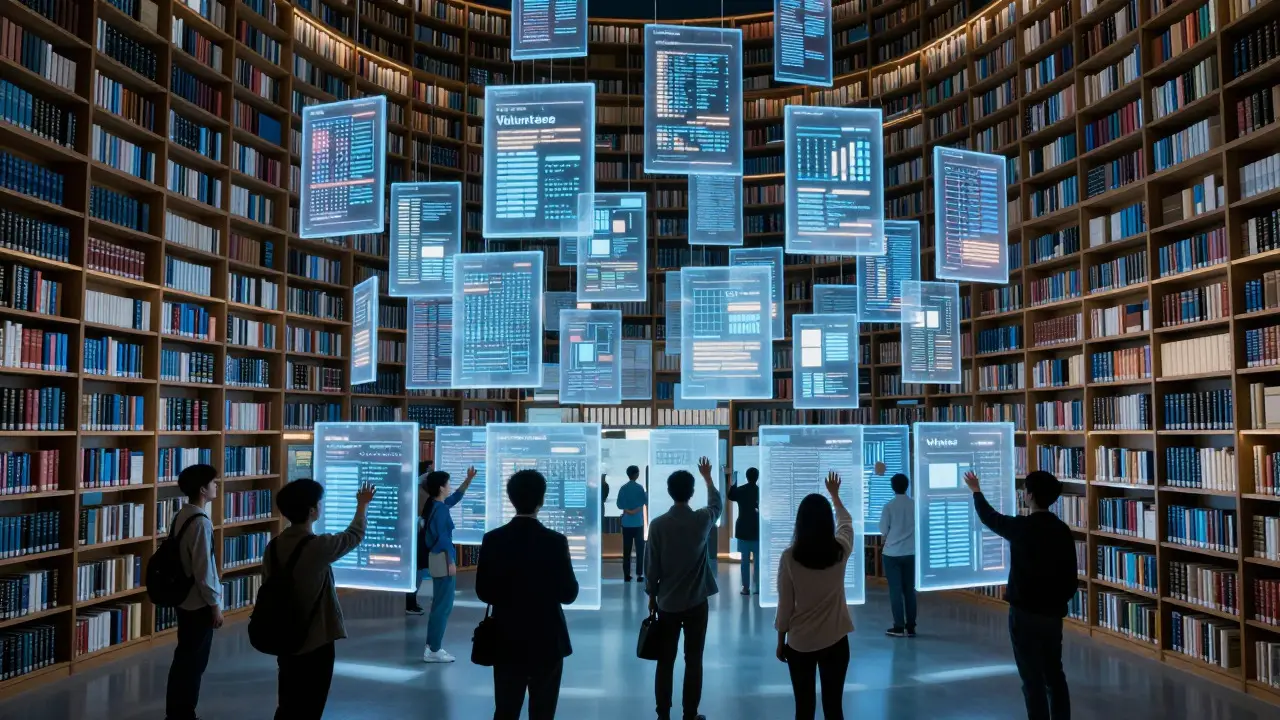
Imagine a library where every book is written by the public, updated in real-time, and free to read. That is Wikipedia is a multilingual, web-based collaborative project operated by volunteers. It is not just a database of facts; it is a living organism that breathes through the hands of millions of anonymous contributors. When you look up a topic on Wikipedia, you are seeing the result of thousands of small edits, debates, and revisions that happened over years. This system challenges the traditional idea of expertise. Here, a high school student can correct a professor’s error, provided they cite a reliable source. This dynamic creates a unique form of knowledge production that is both chaotic and remarkably accurate.
The Core Mechanism: How Collaboration Works
At its heart, Wikipedia operates on a simple but powerful principle: anyone can edit. This openness is managed through a set of community-driven guidelines known as Wikipedia Policies is the set of rules and guidelines that govern content creation and editor conduct. These policies ensure that while anyone can write, the final product remains neutral and verifiable. The process relies heavily on Version Control is a system that records changes to a file or set of files over time so that specific versions can be recalled later. Every edit is saved, allowing users to track who changed what and why. If someone adds bad information, another user can revert it with one click. This safety net encourages bold participation because mistakes are rarely permanent.
The structure of these edits follows a strict hierarchy of reliability. Primary sources are preferred for original research, while secondary sources like academic journals and reputable news outlets form the backbone of most articles. Editors must cite their sources using standardized formats. This requirement transforms casual note-taking into rigorous documentation. Without citations, an edit is likely to be removed. This mechanism ensures that the encyclopedia does not become a platform for opinion, but rather a repository of documented consensus.
The Role of Volunteer Editors
Who are the people behind the screen? The volunteer base of Wikipedia is diverse, yet skewed in predictable ways. Historically, about 70% of active editors have been male, though this gap has narrowed slightly in recent years. Many contributors are students, academics, and professionals with spare time. Some edit obsessively, focusing on niche topics like local history or obscure scientific concepts. Others make minor corrections to grammar or formatting. Despite their differences, all editors share a common motivation: the desire to improve public access to information. This group forms the Wikipedia Community is the collective body of users who create, maintain, and moderate the encyclopedia's content.
Within this community, roles emerge naturally. Newcomers often start by fixing typos. As they gain experience, they may move on to creating new articles or resolving disputes. A smaller group becomes administrators, or "sysops," who have additional tools to protect pages from vandalism. Even more rare are the bureaucrats, who manage the election of administrators. This organic hierarchy allows the project to scale without central corporate management. It is a decentralized network where authority comes from trust and demonstrated competence, not job titles.
Accuracy and Reliability: The Big Debate
Critics often ask: how can a site edited by amateurs be trusted? The answer lies in the speed of correction. In a study published in Nature in 2005, researchers compared the accuracy of Wikipedia entries to those in the peer-reviewed journal Science. They found that while Wikipedia had more factual errors per article, the average age of an error was much shorter. On Wikipedia, errors were fixed within days. In Science, they could persist for years until a formal retraction occurred. This suggests that for general knowledge, Wikipedia’s model offers a faster path to truth than traditional publishing.
However, reliability varies by topic. Articles on established historical events or major scientific theories tend to be highly stable and accurate. Controversial or emerging topics, such as current political conflicts or new medical treatments, are more prone to bias and rapid change. Readers are advised to check the talk page of an article, where editors discuss ongoing disagreements. This transparency is a feature, not a bug. It shows you exactly where the consensus is shaky. For critical decisions, cross-referencing with primary sources remains essential, but for quick, broad overviews, Wikipedia is often surprisingly robust.
Global Reach and Language Barriers
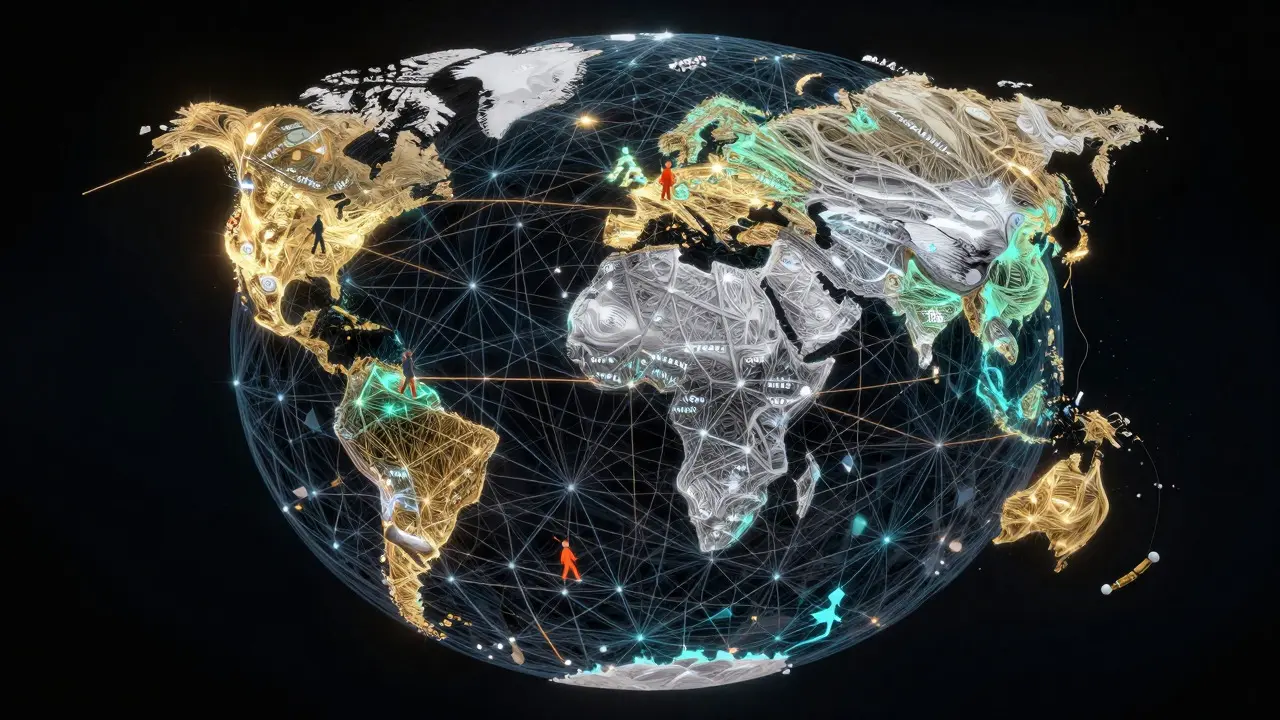
Wikipedia is not just English-centric. There are over 300 language editions, with the English version being the largest, containing over six million articles. Other major editions include German, French, Spanish, and Japanese. Each edition operates independently, with its own community and rules. This creates a fascinating phenomenon of knowledge translation. An article might start in English, be translated into Japanese, and then expanded upon by local experts who add context relevant to their region. This cross-pollination helps standardize global knowledge while preserving local nuance.
Yet, language barriers remain a significant challenge. Most editors only work in one language. This means that knowledge produced in one linguistic sphere often takes a long time to appear in others. Furthermore, cultural biases can creep in when translations are done literally rather than conceptually. To address this, projects like WikiProject Internationalization aim to coordinate efforts across languages. They encourage editors to flag articles that need better coverage in other tongues. This effort highlights the collaborative nature of the project, extending beyond individual pages to the entire ecosystem of human knowledge.
Challenges and Future Directions
Despite its success, Wikipedia faces growing pains. Vandalism, while less frequent due to automated bots, still occurs. More subtly, editorial bias can shape narratives. If a topic is primarily edited by people from one country or background, the perspective may reflect that singular viewpoint. The community combats this through initiatives like WikiProjects is collaborative groups of editors focused on specific topics or areas of interest. These groups organize efforts to improve quality and consistency within their domains. For example, WikiProject Biography works to ensure that biographical articles follow consistent standards regarding notability and neutrality.
Looking ahead, technology continues to reshape the editing experience. Mobile apps now allow users to contribute from smartphones, broadening the demographic of potential editors. Artificial intelligence tools are being tested to help detect plagiarism or suggest citations, though they are used cautiously to avoid removing human judgment. The future of Wikipedia likely involves deeper integration with other digital archives, making it a hub for verified information in an era of misinformation. Its strength remains its people. As long as there are individuals willing to spend their evening correcting a date or adding a citation, the encyclopedia will continue to evolve. It is a testament to the power of collective intelligence, proving that shared responsibility can build something greater than any single institution could achieve alone.
| Feature | Traditional Encyclopedia | Wikipedia |
|---|---|---|
| Editorship | Professional experts only | Open to all (volunteers) |
| Update Frequency | Annual or biennial editions | Real-time updates |
| Error Correction | Slow (next edition) | Fast (minutes to days) |
| Cost to Reader | Paid subscription/purchase | Free (ad-supported/donations) |
| Bias Control | Editorial board review | Community consensus & citations |
Frequently Asked Questions
Is Wikipedia a reliable source for academic research?
It depends on the field and the specific article. For introductory overviews, it is excellent. For deep academic work, use Wikipedia to find the primary sources cited in the references section, then consult those directly. Always check the talk page for ongoing disputes.
How do I start editing Wikipedia?
Create a free account, find an article related to your interests, and click the "Edit" button. Start with small changes like fixing typos or adding citations. Read the "Help:Introduction" page to understand basic etiquette and formatting rules before making larger contributions.
Who funds Wikipedia?
Wikipedia is funded by the Wikimedia Foundation, a non-profit organization. It relies primarily on donations from readers and grants from institutions like the MacArthur Foundation. There are no ads on the main site, and no paid subscriptions.
What happens if two editors disagree on a fact?
They discuss the issue on the article's talk page. If they cannot reach a consensus, they may seek mediation from neutral third parties or request a formal dispute resolution process. The goal is always to represent the majority view supported by reliable sources.
Are there different versions of Wikipedia for different countries?
Yes, there are language-specific editions (e.g., French Wikipedia, German Wikipedia). While they share the same software, each has its own community and content focus. There are also regional projects that try to highlight local knowledge within the global framework.