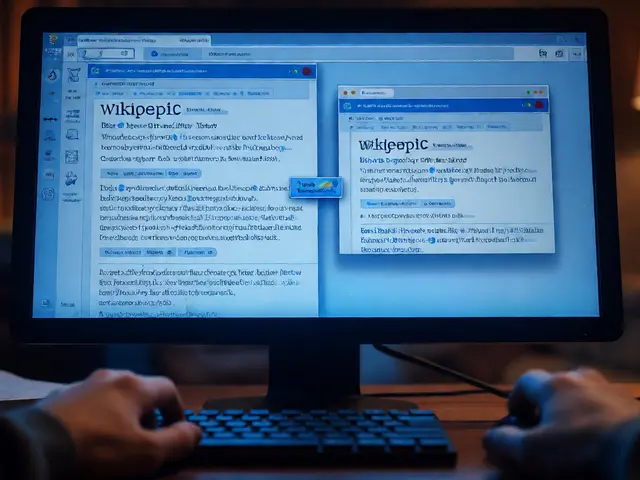
Imagine trying to read a book where the font changes size every paragraph, the colors blend into each other, and half the pages are in a language you don’t speak. For millions of people with disabilities or limited tech access, this used to be the internet experience. Wikipedia is a free, multilingual online encyclopedia that prioritizes universal access through strict adherence to web standards, responsive mobile design, and community-driven localization. It doesn't just store information; it actively removes barriers to entry.
Unlike commercial platforms that might prioritize flashy visuals or ad revenue, Wikipedia’s core mission is knowledge equity. This means ensuring that whether you’re using a screen reader on an old laptop, a smartphone with spotty data in a rural village, or reading in one of over 300 languages, the content reaches you clearly. The platform achieves this not through a single magic bullet, but through a combination of rigid technical standards, adaptive design principles, and a massive global volunteer effort.
The Foundation: Strict Adherence to Web Standards
At its core, Wikipedia’s accessibility starts with code. The platform is built on MediaWiki is the open-source wiki software package that powers Wikipedia and enforces semantic HTML structure for assistive technologies. This software isn't just a container for text; it’s engineered to follow the Web Content Accessibility Guidelines (WCAG) are international standards developed by the W3C to make web content perceivable, operable, understandable, and robust for users with disabilities. Specifically, Wikipedia aims for WCAG 2.1 AA compliance.
What does this mean for you? It means every image has an alt-text description, allowing screen readers to describe photos to visually impaired users. It means keyboard navigation works flawlessly-you can tab through menus, search bars, and article links without ever touching a mouse. The color contrast ratios between text and background are mathematically calculated to ensure readability for those with low vision or color blindness. These aren't optional features; they are baked into the very skeleton of the site.
This standardization creates a predictable environment. If you know how to navigate one Wikipedia page, you know how to navigate them all. Consistency reduces cognitive load, which helps users with attention deficits or learning disabilities process information more efficiently. By treating accessibility as a structural requirement rather than an afterthought, Wikipedia ensures that its vast library remains open to everyone, regardless of their physical or technological limitations.
Mobile-First Design for a Connected World
In many parts of the world, the desktop computer is a relic. For billions of users, the smartphone is their only window to the internet. Wikipedia recognized this shift early, moving away from simply shrinking desktop sites to fit small screens. Instead, they adopted a Responsive Web Design is an approach to web development that uses flexible grids and layouts to adapt content seamlessly across devices like smartphones, tablets, and desktops.
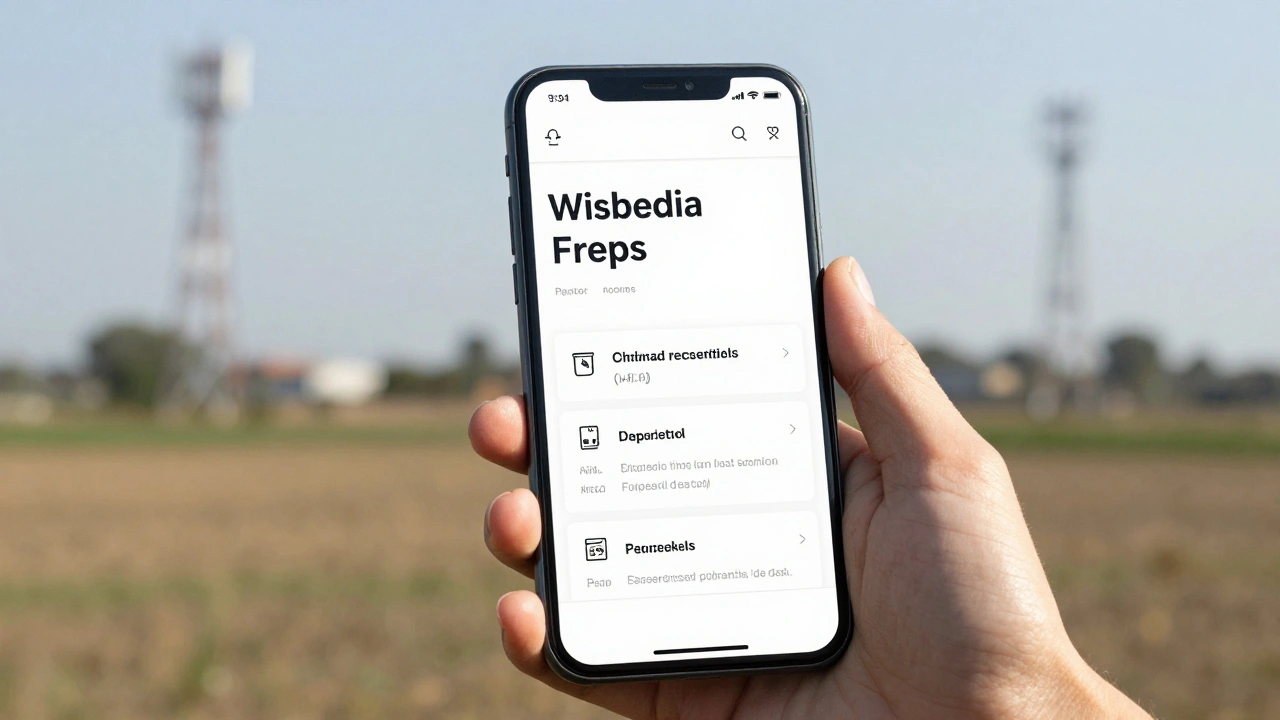
The mobile version of Wikipedia strips away non-essential clutter. Sidebars disappear, heavy scripts are minimized, and touch targets-like buttons and links-are enlarged to prevent accidental clicks. This isn't just about aesthetics; it's about performance. In regions with slow or expensive data connections, loading fewer bytes means faster access to information. The platform also offers a dedicated mobile app that allows users to download articles for offline reading, a critical feature for students in areas with intermittent internet connectivity.
Consider a student in a remote area studying for an exam. They might have 30 minutes of good signal once a day. With Wikipedia’s mobile optimization, they can quickly search, read, and even save key articles without draining their battery or data plan. This efficiency turns Wikipedia from a luxury resource into a practical tool for education and empowerment. The design respects the user’s time and resources, proving that accessibility also includes economic and infrastructural constraints.
Localization: Breaking Language Barriers
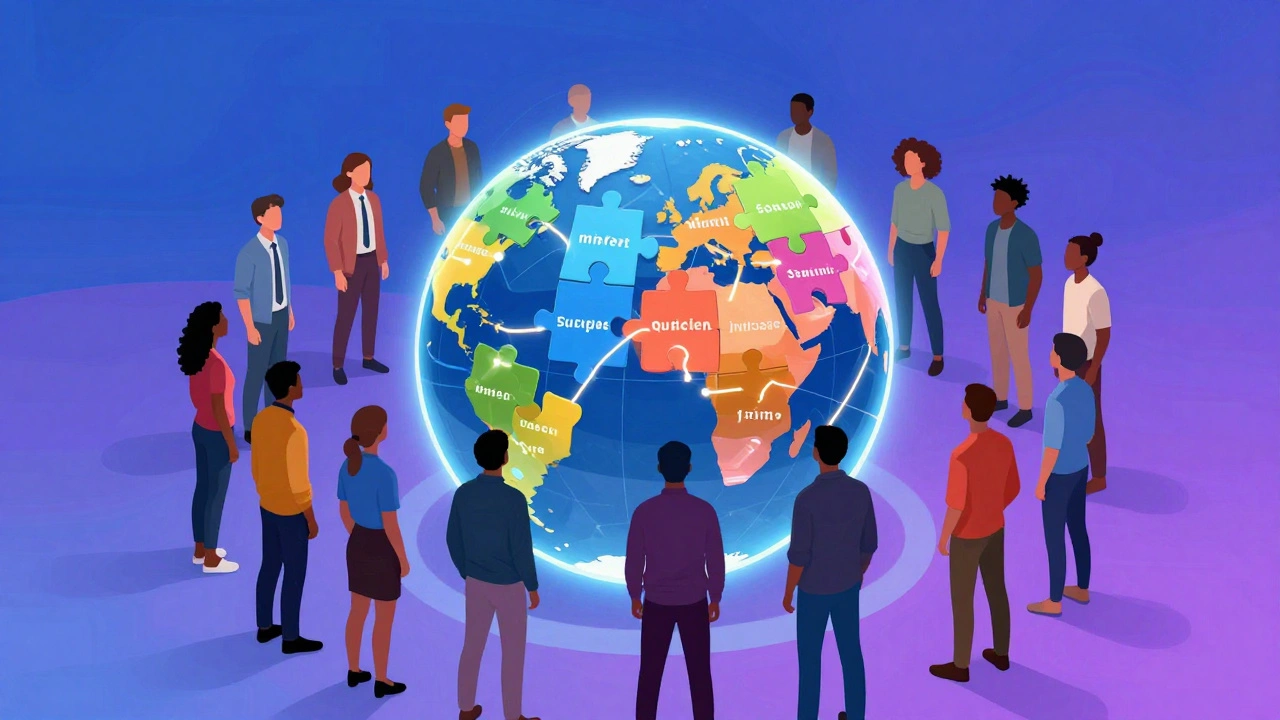
Knowledge is useless if you can’t understand it. While English is the most widely spoken second language, it is not the first language for most of the world’s population. Wikipedia addresses this through aggressive Language Localization is the process of adapting content to specific linguistic and cultural contexts, ensuring relevance and comprehension for diverse global audiences. Currently, there are over 300 active language editions of Wikipedia, ranging from major languages like Spanish and Mandarin to smaller ones like Welsh and Navajo.
This isn't just machine translation. Each language edition is maintained by native speakers who ensure cultural nuance, correct grammar, and appropriate terminology. This community-driven model preserves local knowledge that might otherwise be lost. For example, indigenous languages often have unique concepts and histories that don't translate directly into English. Having a Wikipedia edition in those languages validates and preserves that heritage.
The interlinking system further enhances this. When you read an article in French, you’ll see links to the same topic in German, Japanese, or Arabic. This creates a web of cross-cultural understanding. You don’t need to be fluent in five languages to benefit; you just need to know your own. This structure democratizes knowledge, allowing users to start in their comfort zone and expand outward at their own pace. It transforms Wikipedia from a monolingual repository into a truly global conversation.
Community Governance and Continuous Improvement
Who ensures these standards are met? Not a central team of developers in San Francisco, but a decentralized global community. The Wikimedia Foundation is the non-profit organization that hosts Wikipedia and provides legal, financial, and technical support to maintain the platform's integrity and accessibility. sets the broad policy, but volunteers enforce the details. There are specific bots and tools that automatically flag pages with poor formatting, missing alt-text, or broken links.
Users can report accessibility issues directly, and experienced editors often fix them within hours. This crowdsourced quality control is incredibly efficient. It means that if a new disability technology emerges, the community can adapt the platform’s guidelines to accommodate it. This agility is something large corporations struggle with. Wikipedia’s openness invites scrutiny, and that scrutiny drives improvement. It’s a self-correcting system that relies on the collective goodwill of its users.
This model also fosters inclusivity among contributors. People with disabilities are not just consumers of Wikipedia; they are creators. Many editors use specialized tools to contribute, and their experiences help shape the platform’s future. By lowering the barrier to entry, Wikipedia ensures that the voices shaping its content reflect the diversity of its audience. This feedback loop keeps the platform relevant and accessible for generations to come.
| Feature | Technical Implementation | User Benefit |
|---|---|---|
| Semantic HTML | MediaWiki enforces proper heading structures and list tags | Screen readers can navigate content logically |
| Keyboard Navigation | Focus indicators and skip-links for main content | Users with motor impairments can browse without a mouse |
| High Contrast Mode | CSS variables allow easy theme switching | Improves readability for users with low vision |
| Offline Access | Mobile app caching and downloadable PDFs | Access to knowledge without internet connection |
| Multilingual Support | Separate database instances for each language edition | Content available in over 300 native languages |
Challenges and Future Directions
Despite its successes, Wikipedia faces ongoing challenges. As articles become more complex with interactive elements like maps and quizzes, maintaining accessibility becomes harder. New features must be rigorously tested to ensure they don’t exclude users with certain disabilities. Additionally, the reliance on volunteers means that enforcement can be inconsistent. Some niche topics may lack proper alt-text or structured data simply because no one has gotten around to fixing it yet.
The Wikimedia Foundation is investing in AI tools to help identify and fix these gaps automatically. Machine learning models can now detect images that likely need descriptions and suggest edits. This automation helps scale accessibility efforts to match the sheer volume of content being added daily. However, human oversight remains crucial. AI can suggest, but humans must verify, ensuring that the context and tone remain accurate and respectful.
Looking ahead, the focus is shifting towards cognitive accessibility. This includes simplifying language for younger readers or those with learning differences. Projects like Wikipedia Zero, which provided free access in developing countries, paved the way for broader initiatives aimed at reducing digital inequality. The goal is not just to make Wikipedia readable, but to make it understandable and actionable for every human being on the planet.
Is Wikipedia fully compliant with WCAG standards?
Wikipedia strives for full WCAG 2.1 AA compliance. While the core platform and most articles meet these standards, individual pages created by volunteers may occasionally have minor issues. The community actively works to fix these discrepancies when they are reported.
Can I read Wikipedia offline?
Yes. The official Wikipedia mobile apps for iOS and Android allow you to download articles for offline reading. Additionally, you can export any article as a PDF from the desktop or mobile browser view for later access without an internet connection.
How many languages does Wikipedia support?
As of 2026, Wikipedia supports over 300 active language editions. This includes major global languages as well as regional and indigenous languages, ensuring that knowledge is accessible in the user's preferred tongue.
Does Wikipedia work well with screen readers?
Yes. Because MediaWiki enforces semantic HTML structures, Wikipedia is highly compatible with popular screen readers like JAWS, NVDA, and VoiceOver. Headings, lists, and links are properly tagged to provide a logical navigation experience.
Who is responsible for maintaining accessibility on Wikipedia?
Accessibility is a shared responsibility. The Wikimedia Foundation provides the technical infrastructure and policies, while the global community of volunteers ensures individual articles adhere to these standards. Automated bots also help flag potential issues for review.