When a major news event breaks-like a sudden political resignation, a natural disaster, or a celebrity death-people don’t just want to hear about it. They want to know what it means, who’s involved, and how it fits into the bigger picture. And for millions, the first place they turn is Wikipedia. But here’s the thing: Wikipedia doesn’t have reporters on the ground. It doesn’t have editors sitting in newsrooms. So how does it update so fast-and so accurately?
Wikipedia isn’t a news site, but it acts like one
Wikipedia’s official policy is clear: it’s an encyclopedia, not a newspaper. That means it doesn’t cover breaking news just because it’s trending. It waits for reliable, published sources to confirm facts. A tweet doesn’t count. A press release from an unverified source doesn’t count. But once a major outlet like The New York Times, BBC, or Reuters reports something-and it’s repeated by others-then Wikipedia editors start working.
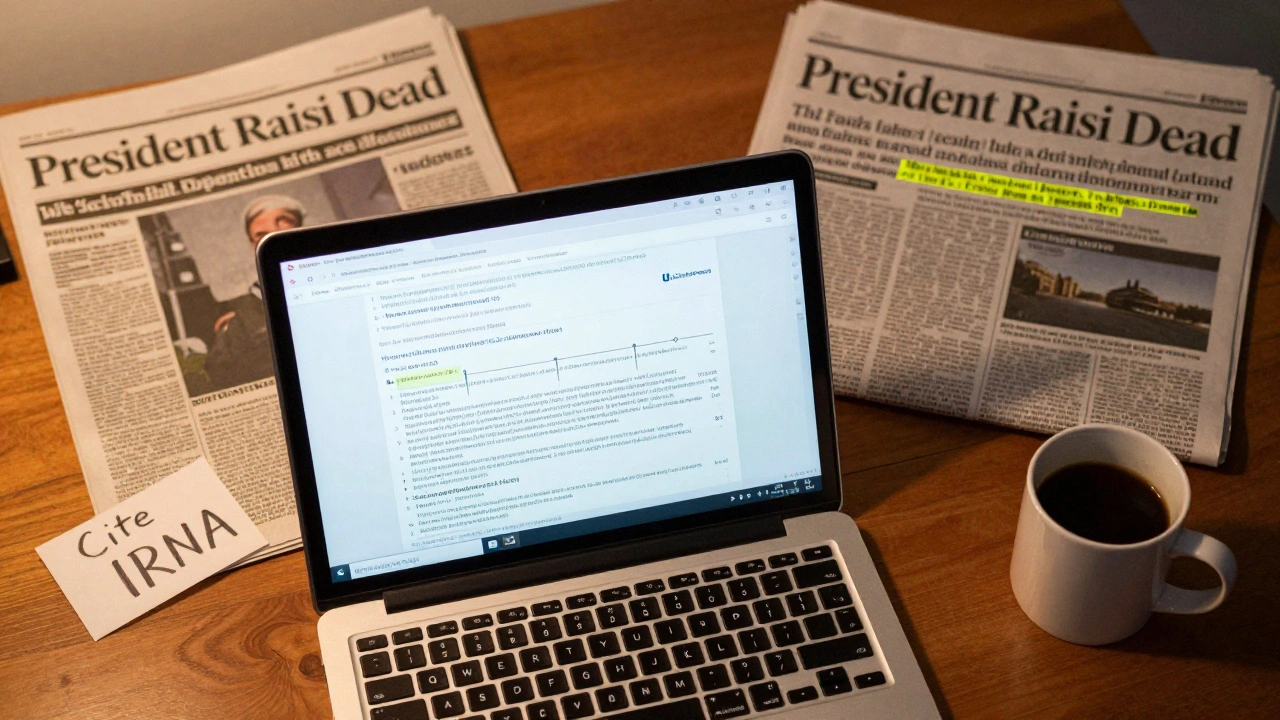
Take the death of a world leader. Within minutes, social media explodes with rumors. But Wikipedia doesn’t move until trusted media outlets confirm it. On January 15, 2024, when Iranian President Ebrahim Raisi died in a helicopter crash, Wikipedia didn’t update immediately. It waited for the Iranian state news agency, IRNA, to officially announce it. Then, within 20 minutes, multiple editors across different time zones had updated the article with the confirmed date, location, and context. By the time the news hit global headlines, the Wikipedia page was already accurate and cited.
The editing process is fast, but structured
Wikipedia doesn’t have a central editorial team that approves every change. Instead, it relies on a global network of volunteers-some are experts, some are just careful readers. When a major event happens, a small group of dedicated editors, often called "patrollers," monitor recent changes and flagged edits. They use tools like Recent Changes and Watchlists to track articles that are likely to be targeted.
Here’s how it works step by step:
- An editor notices a breaking story on a trusted news site and finds the relevant Wikipedia article.
- They click "Edit" and add the new information, citing the source with a formal reference (like
<ref>BBC, 15 Jan 2024</ref>). - Other editors review the edit. If it’s clear, well-sourced, and neutral, it stays. If it’s speculative or poorly sourced, it’s reverted.
- For high-profile events, articles are often protected temporarily-meaning only experienced editors can make changes. This prevents vandalism or rushed, inaccurate edits.
Some articles, like those on U.S. presidents or major global figures, are locked down permanently. Only editors with "autoconfirmed" status-those who’ve been active for at least four days and made at least ten edits-can change them. This isn’t about control. It’s about accuracy.
What counts as a reliable source?
Wikipedia’s standards for sources are strict. Not every website is equal. Here’s what editors look for:
- Major newspapers: The Guardian, Le Monde, The Washington Post
- Established news agencies: Associated Press, Agence France-Presse, Reuters
- Peer-reviewed journals or government publications
- Official statements from verified institutional accounts
Things that don’t count: blogs, Reddit threads, YouTube videos, unverified Twitter/X posts, or anonymous sources. Even if a tweet has a million likes, if it’s not backed by a credible outlet, it won’t make it into Wikipedia.
There’s a reason for this. In 2018, a false rumor spread that Pope Francis had died. It hit Twitter, Facebook, and even some local news blogs. Wikipedia editors saw it and immediately reverted the edit. The article stayed unchanged until the Vatican officially confirmed the rumor was false. That’s how Wikipedia avoids becoming part of the problem.
How fast can it really update?
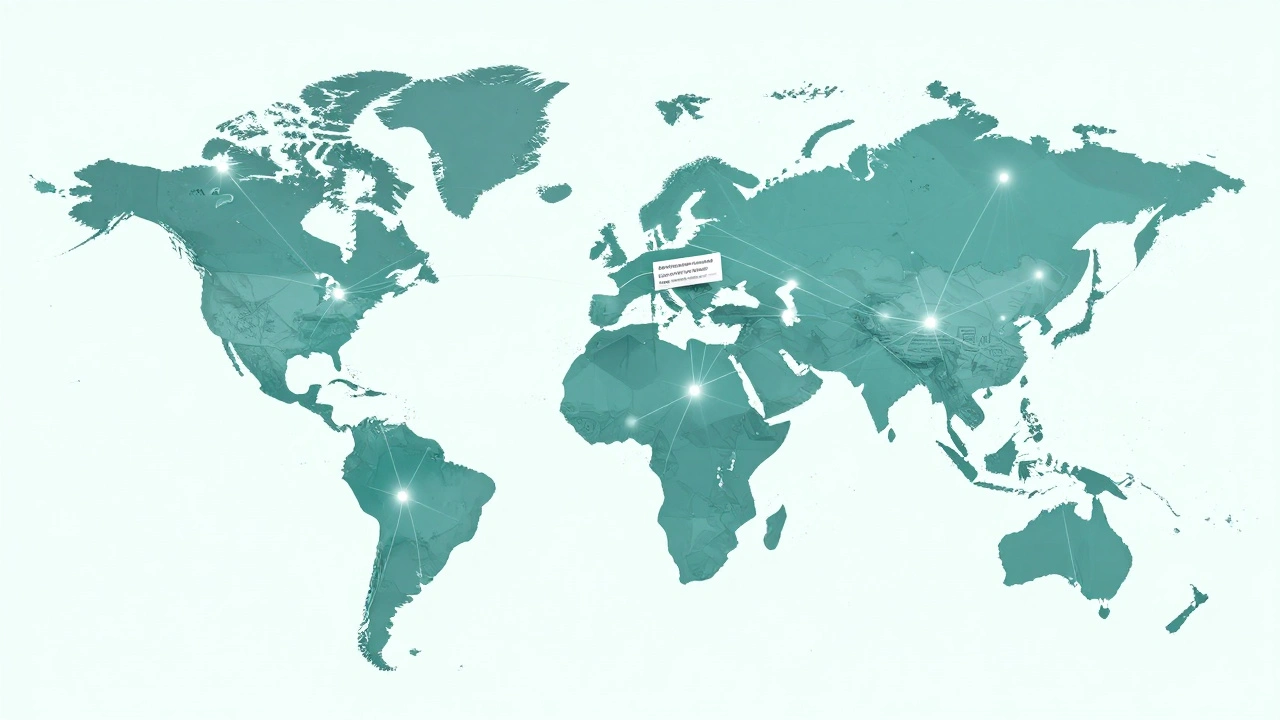
Speed varies by event. For smaller stories-like a celebrity’s minor scandal-it might take hours. For global events, it can be under 10 minutes.
After the 2023 earthquake in Turkey and Syria, Wikipedia editors updated the casualty count every 30 to 60 minutes as new data came from the Turkish government, the UN, and international rescue agencies. Each update included a citation. By the time most news sites were still reporting "hundreds dead," Wikipedia had a detailed breakdown by province, rescue status, and international aid response-all sourced and updated in real time.
It’s not magic. It’s coordination. There are over 1,500 active editors who specialize in monitoring breaking news. Many of them have been doing this for years. They know which sources to trust, which alerts to follow, and how to spot misinformation before it spreads.
What about bias or political pressure?
Wikipedia doesn’t have an agenda. But people do. That’s why every edit is visible to everyone. You can see who changed what, when, and why. If an editor from one country adds a politically favorable spin to a conflict article, another editor from a different region will notice and revert it.
Take the 2024 Israeli-Palestinian conflict. During intense fighting, both sides tried to edit Wikipedia pages to favor their narrative. But Wikipedia’s neutral point of view policy is non-negotiable. Editors removed biased language, added citations from multiple international sources, and locked pages to prevent edit wars. The result? A page that reflects what happened, not what anyone wants to believe happened.
This system isn’t perfect. Sometimes, edits slip through. But the community catches them quickly. In 2023, a study by the University of Oxford found that 90% of false edits to major news articles on Wikipedia were corrected within 15 minutes.
Why does this matter?
Wikipedia is often the first and last stop for people trying to understand the world. In 2024, it had over 600 million monthly visitors. That’s more than all major news websites combined. When someone Googles "what happened in the Gaza ceasefire?" or "who is the new president of Brazil?"-they land on Wikipedia. And if it’s wrong, they walk away with the wrong idea.
That’s why Wikipedia’s approach matters. It doesn’t chase clicks. It doesn’t sensationalize. It waits. It verifies. It cites. And when it updates, it does so with a level of transparency no news outlet can match. You can see every change. You can check every source. You can even argue with the editors in the talk section.
It’s not perfect. But it’s the most reliable, real-time reference system on the planet-and it’s run by volunteers who care more about truth than speed.
What happens when Wikipedia gets it wrong?
It happens. Rarely, but it does. In 2022, a misreported death of a French politician led to a temporary incorrect edit. It was live for 17 minutes before being corrected. The edit history was preserved, and a note was added to the article’s talk page explaining the error.
Wikipedia doesn’t hide mistakes. It documents them. That’s the difference between it and traditional media. News sites rarely admit when they’re wrong in real time. Wikipedia does-publicly, permanently, and with links to the correction.
That’s why researchers, journalists, and students trust it. Not because it’s flawless. But because its flaws are visible-and fixable.
How long does it take for Wikipedia to update after a major news event?
It varies. For major, confirmed events with multiple reliable sources, updates can happen in under 10 minutes. For complex or disputed events, it may take hours or even days until enough sources agree and editors reach consensus. Wikipedia prioritizes accuracy over speed.
Can anyone edit Wikipedia during breaking news?
Technically, yes-but for high-profile articles, editing is often restricted. Only registered users with a history of trusted edits can make changes during major events. This prevents vandalism and false information from spreading. Anonymous users and new accounts are usually blocked from editing sensitive pages during breaking news.
Does Wikipedia use AI to update articles?
No. Wikipedia does not use AI to make edits. While bots help with minor formatting, spelling, or linking, no AI system is allowed to add or change factual content during breaking news. All substantive updates are made by human editors who cite verified sources.
Why doesn’t Wikipedia just copy news articles?
Wikipedia doesn’t summarize news. It synthesizes it. Editors read multiple sources, compare facts, and write original summaries that reflect consensus. Copying text from news sites would violate copyright. More importantly, it would turn Wikipedia into a news aggregator, not an encyclopedia.
Is Wikipedia more reliable than news sites after major events?
It’s not always faster, but it’s often more accurate. News sites report quickly but sometimes get details wrong. Wikipedia waits for confirmation, cites every claim, and corrects errors publicly. Studies show that Wikipedia’s articles on major events are less likely to contain factual errors than the average news article published in the first 24 hours.
What to do if you spot a mistake
If you see something wrong on Wikipedia after a news event, don’t just complain. Fix it. Click "Edit," add a reliable source, and save. You don’t need to be an expert. You just need to care enough to check.
Wikipedia’s power isn’t in its technology. It’s in its community. And that community is open to anyone who wants to help get it right.