Have you ever clicked on Wikipedia’s Current Events Portal is a collaborative page that aggregates the most significant recent news stories from around the world, only to find a mix of major geopolitical shifts and niche local disputes? It can feel chaotic. But if you know how the machine works, it becomes one of the fastest, most neutral ways to grasp what actually matters in the global landscape right now.
The portal isn’t just a random feed; it’s a curated snapshot driven by thousands of editors. Understanding why certain stories trend there-and why others vanish-helps you separate signal from noise. Here is how the system functions and how you can use it effectively without getting lost in the details.
How the Current Events Portal Actually Works
Unlike traditional news sites that rely on editors choosing headlines based on perceived public interest, the Wikipedia is a free online encyclopedia operated by the Wikimedia Foundation uses a semi-automated curation process. The portal pulls data from articles that have been recently updated or flagged as significant by the community.
Here is the step-by-step logic behind what appears on your screen:
- Article Creation & Updates: Editors create or heavily update an article about a specific event (e.g., a new treaty signing or a natural disaster).
- Notability Check: The event must meet Wikipedia’s notability guidelines. If it lacks reliable sources, it won’t stick.
- Categorization: The article is tagged with categories like "2026 in Politics" or "August 2026 events."
- Portal Aggregation: A script scans these tags and recent edit histories to populate the Current Events Portal sections (World, Business, Science, etc.).
This means the "trending" aspect is less about viral social media buzz and more about editorial activity. If a story is complex and requires multiple updates over days, it stays visible longer. If it’s a quick flash-in-the-pan celebrity scandal, it might appear briefly but rarely makes the top tier unless it has broader societal impact.
Why Some Stories Trend While Others Fade
You might wonder why a massive corporate merger gets buried while a smaller environmental policy change dominates the front page. The answer lies in the intersection of complexity and controversy.
Complexity drives longevity. Stories involving international law, multi-nation negotiations, or scientific breakthroughs require extensive writing. Editors spend hours refining these pages, keeping them active in the algorithm’s view for weeks. For example, in mid-2026, discussions around new AI regulation frameworks in the EU required constant updates as drafts changed, keeping those entries high-profile.
Controversy drives traffic. When editors disagree on how to phrase a fact, they leave comments on the talk page. This debate signals to other users that the topic is hot. However, this can also lead to "edit wars," where facts are repeatedly changed. If you see a red tag indicating a disputed section, check the talk page before trusting the summary blindly.
Conversely, straightforward factual updates-like a sports score or a simple appointment announcement-get written quickly, finalized fast, and then move down the list as newer, more complex stories arrive.
Navigating the Sections: What to Look For
The portal is divided into distinct categories. Each serves a different purpose for different types of readers. Knowing which section to prioritize saves time.
| Section | Primary Focus | Best For | Typical Update Frequency |
|---|---|---|---|
| World | Geopolitics, conflicts, diplomacy | Global context awareness | Daily |
| Business | Mergers, earnings, economic policy | Market trends & finance | Daily |
| Science & Technology | Research, product launches, space | Innovation tracking | Weekly |
| Sports | Major tournaments, transfers | Quick factual checks | Daily |
| Entertainment | Film releases, awards, cultural moments | Cultural reference | Variable |
If you are interested in long-term implications, focus on World and Business. These sections tend to contain the most substantive analysis because they involve structural changes to society. Science & Technology is excellent for spotting emerging trends before they hit mainstream news cycles, as editors often cover pre-release papers or early-stage developments.
Common Pitfalls to Avoid
Even with a robust system, Wikipedia has quirks. Here are three traps that can skew your understanding of current events:
- The "Recency Bias": The portal shows what was edited *recently*, not necessarily what is *most important* historically. A minor incident that happened yesterday might sit above a major treaty signed two weeks ago simply because the former had more recent edits. Always check the date of the last revision.
- Missing Context: A single bullet point on the portal might say "Country X imposes sanctions." Without clicking through to the full article, you miss the background, the reactions, and the potential fallout. The portal is a map, not the territory.
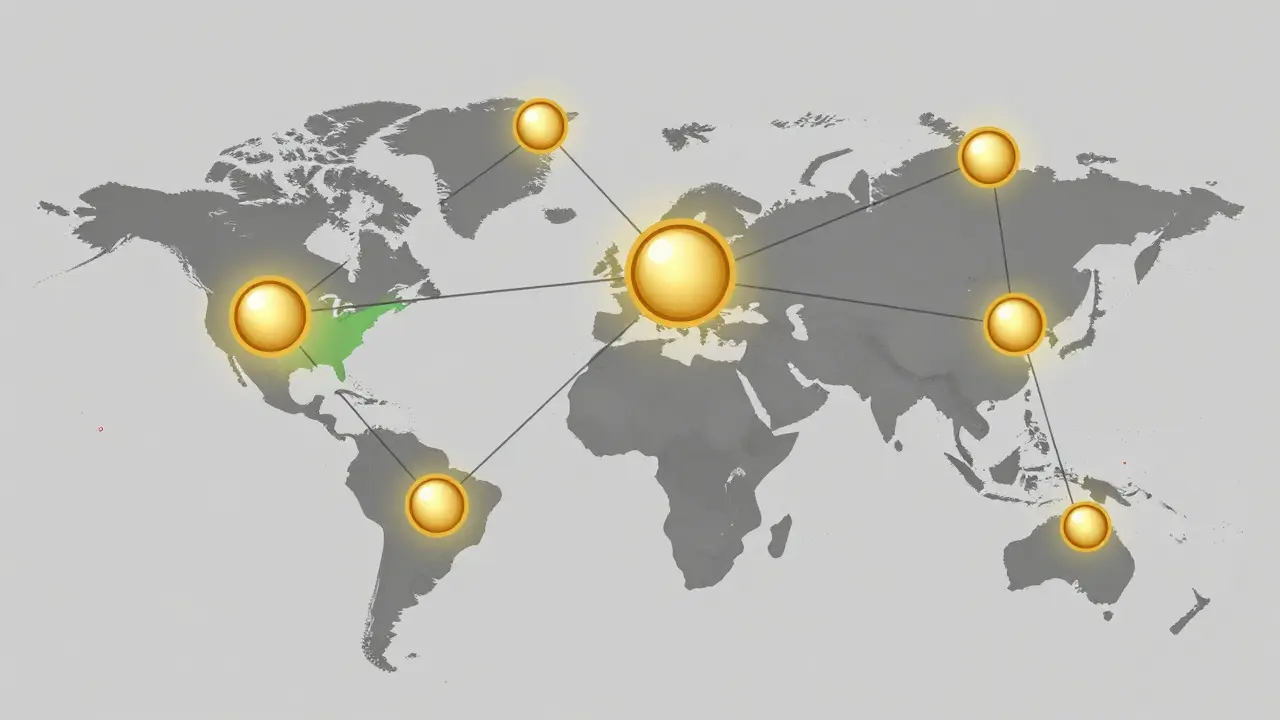
- Editorial Blind Spots: Wikipedia editors are volunteers. They tend to be tech-savvy and English-speaking. This can lead to under-reporting of events in non-English speaking regions until they gain international traction. Cross-reference with local news sources for regional depth.
Pro Tips for Power Users
Want to get more out of the portal? Try these techniques:
- Use the "Recent Changes" Filter: Instead of looking at the main portal page, go to the Special:RecentChanges page and filter by category. This lets you see raw edits in real-time, helping you spot breaking news minutes after it happens.
- Follow Specific Categories: Use your browser bookmarks to save direct links to specific category pages (e.g., Category:2026 in Energy). This creates a personalized feed that bypasses the general portal’s clutter.
- Check the Talk Pages: If a story seems confusing, read the talk page. Often, the most insightful context comes from editor debates rather than the main text itself. You’ll see arguments about source reliability and nuance that don’t make it into the final article.
By treating the Current Events Portal as a starting point rather than a final destination, you gain a powerful tool for staying informed. It offers neutrality and speed, but it requires active engagement to unlock its full value. The next time you open it, ask yourself: *What is driving the edits right now?* That question will guide you straight to the heart of the matter.
Is the Wikipedia Current Events Portal biased?
Like any human-curated platform, it carries the biases of its editors. Since most active editors are English speakers, Western-centric perspectives may dominate initially. However, the requirement for neutral point of view (NPOV) and reliable sources helps mitigate extreme bias over time. Cross-referencing with diverse sources is always recommended.
How often does the Current Events Portal update?
The portal updates dynamically as articles are edited. There is no fixed schedule. High-traffic stories may see dozens of updates per day, while slower-moving topics might update once a week. The "last updated" timestamp on each entry indicates the freshness of the information.
Can I suggest a story for the Current Events Portal?
Indirectly, yes. If you create or significantly improve an article about a notable event and ensure it meets notability criteria, it may automatically appear in the relevant portal section. There is no direct submission form for the portal itself; it relies on the underlying article quality.
What is the difference between the Main Page and the Current Events Portal?
The Main Page features a "Did you know" section, a picture of the day, and a small selection of current events. The Current Events Portal is much more comprehensive, listing dozens of events across multiple categories in greater detail. Think of the Main Page as a teaser and the Portal as the full report.
Are all stories on the portal verified?
Stories should be backed by reliable sources according to Wikipedia’s citation standards. However, because it is an open-edit platform, errors can occur. Always look for citations in the article body. If a statement lacks a source, treat it with caution until verified elsewhere.