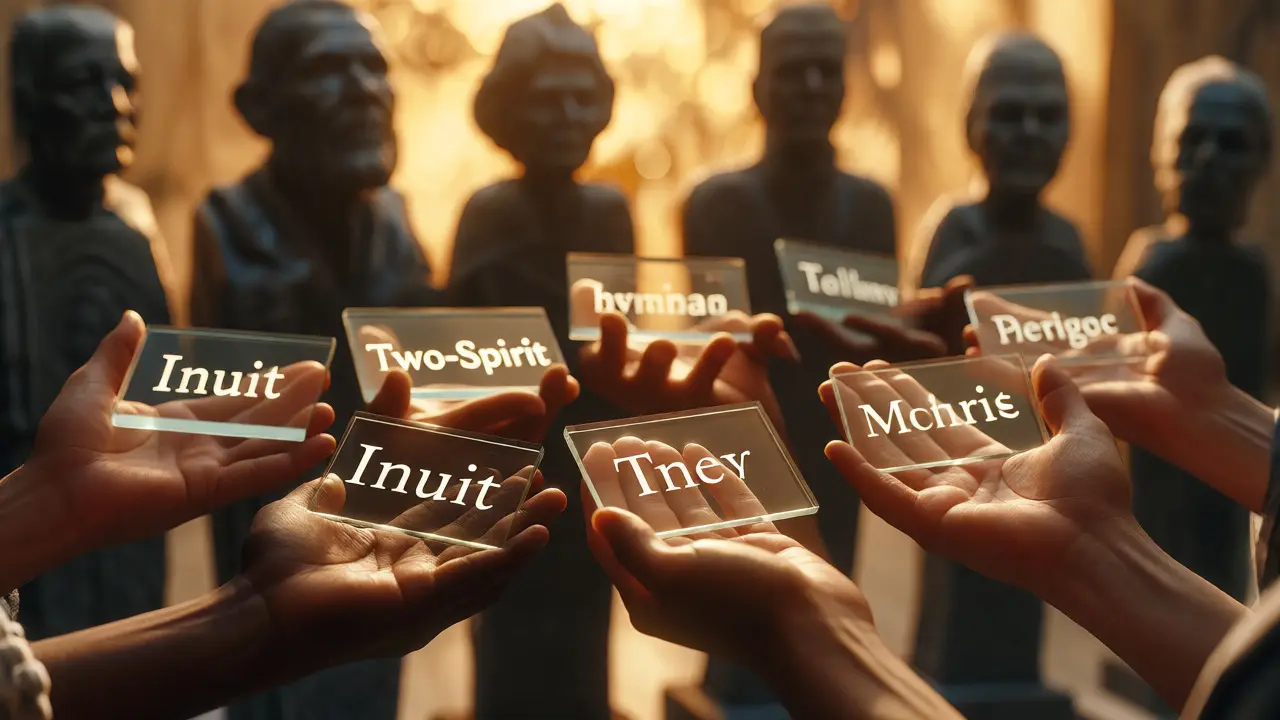
You type a name into the search bar. The result appears. But does it match how that person or group calls themselves? Or does it reflect an older, perhaps colonial, label that outsiders imposed decades ago? This isn't just about semantics. It's about power. Wikipedia is often treated as the neutral ground of knowledge, but its naming conventions for marginalized groups reveal deep-seated biases in how history and identity are recorded.
Think about the last time you looked up an indigenous community or a historical figure from the Global South. Did the title use their self-identified name, or a term popularized by Western academia? These choices aren't accidental. They stem from editorial policies, source availability, and sometimes, plain ignorance. For communities fighting for recognition, these labels matter. A wrong name can erase agency. A right one can restore dignity.
The Power of the First Word
Titles on Wikipedia serve more than navigation. They frame perception. When we talk about Naming Conventions, we're discussing the rules that determine whether a page is titled "Native Americans," "American Indians," or specific tribal names like "Navajo Nation." Each choice carries weight. "Native American" was adopted in the late 20th century to replace terms seen as derogatory. Yet, many individuals within these communities prefer different identifiers. Some reject pan-Indian labels entirely, insisting on tribal specificity.
Why does this friction exist? Because Wikipedia relies on reliable sources. If most academic texts published before 1990 used a specific term, editors might stick with it for consistency. But if newer sources shift toward self-identification, the article should ideally follow suit. The problem arises when the majority of cited sources remain outdated. Editors then face a dilemma: prioritize current respect or historical accuracy?
This isn't merely academic nitpicking. Consider the debate around the term "African American" versus "Black." Both appear in titles across the platform. Neither is universally preferred by every individual. Some argue "Black" acknowledges diaspora connections beyond the US. Others feel "African American" specifies cultural heritage. Wikipedia tries to balance this by using the most common term in reliable sources. But who decides what is "most common"? Often, it's a small group of predominantly white, male, English-speaking editors.
Who Writes the History?
Editor Demographics play a crucial role in shaping encyclopedic content. Studies have consistently shown that the core contributor base lacks diversity. Fewer women, people of color, and non-Westerners contribute compared to the general population. This imbalance affects which topics get covered and, critically, how they are named.
If the people writing the entries don't belong to the marginalized group being described, they may lack the nuanced understanding needed to choose appropriate terminology. They might rely on external sources that miss internal debates. For instance, the term "Hispanic" versus "Latino" varies significantly by region and generation. In Puerto Rico, preferences differ from those in Texas or New York. A generic editor might pick one without recognizing the geographic and political distinctions.
This leads to what sociologists call Epistemic Injustice. This occurs when someone is wronged specifically in their capacity as a knower. Marginalized groups often know best how they wish to be identified. Yet, their voices carry less weight in editorial discussions due to systemic barriers. Access to high-speed internet, familiarity with wiki-markup, and confidence in engaging with online debates all skew participation toward privileged groups.
| Term Type | Example | Potential Bias | Community Preference |
|---|---|---|---|
| Exonym | Papua New Guinea | Colonial imposition | Mixed; some retain exonyms for international recognition |
| Endonym | Inuit | May exclude related groups (e.g., Yupik) | High preference for self-identification |
| Academic Term | Sub-Saharan Africa | Geographic reductionism | Often criticized for implying a monolithic region |
| Self-Identified | Two-Spirit | Requires specific cultural context | Growing acceptance among Indigenous LGBTQ+ individuals |

The Reliability Trap
Wikipedia's golden rule is verifiability. Every claim needs a citation from a Reliable Source. Traditionally, this meant newspapers, books, and peer-reviewed journals. But mainstream media has historically underreported or misrepresented marginalized communities. Relying solely on these sources perpetuates existing biases.
Imagine researching a local activist group in Southeast Asia. If no major Western news outlet covered them, do they not exist on Wikipedia? Many editors say yes, effectively erasing grassroots movements. Conversely, if a controversial group is labeled with a pejorative term by a biased newspaper, that label sticks on Wikipedia because it meets the "reliable source" criteria. The system rewards visibility over accuracy.
To combat this, some projects now accept Primary Sources like official statements, community websites, and oral histories. This shift allows marginalized groups to define their own narratives. However, it requires editors to evaluate new types of evidence, a skill set not always present in the traditional contributor pool. Training and community outreach become essential to maintain quality while expanding inclusivity.
Case Studies in Controversy
Look at the renaming of pages related to disability. The move from "Mental Retardation" to "Intellectual Disability" wasn't just semantic cleanup. It reflected a broader societal shift away from stigmatizing language. Medical professionals and advocacy groups pushed for change. Wikipedia followed, but slowly. Resistance came from users who argued the old term was still common in older literature. The compromise involved redirecting old terms while updating main titles.
Another contentious area involves gender identity. Terms like "Transgender Woman" versus "Trans Woman" spark debates. Some prefer the full term for clarity. Others find it redundant or clinical. Wikipedia generally adopts the self-identified term used by prominent figures in the community. But for lesser-known individuals, editors must guess based on available interviews. This uncertainty highlights the gap between policy and practice.
Consider the Romani People. Historically referred to by slurs in many European languages, the term "Romani" gained traction through civil rights movements. Yet, subgroups identify as Sinti, Roma, Kale, or other names. Generalizing them under one umbrella can obscure distinct histories. Wikipedia attempts to address this with disambiguation pages, but the primary article often defaults to the most recognizable term, potentially flattening diversity.
Balancing Consistency and Respect
How do we fix this? There's no single solution. One approach is adopting Living Person Guidelines more broadly. For living individuals, self-identification usually takes precedence. Extending this principle to communities could help. If a group officially states their preferred name, that should outweigh older external labels.
Another strategy involves diversifying the source base. Editors need access to literature written by members of marginalized groups. University libraries and open-access initiatives can bridge this gap. Furthermore, encouraging native speakers to edit articles in their own languages ensures that endonyms are correctly represented. Cross-language links can then point to culturally accurate titles rather than translated approximations.
We also need better tools for detecting bias. Automated scripts currently flag vandalism or poor formatting. Could they flag potentially outdated terminology? Imagine a bot suggesting updates when new sources show a shift in preferred nomenclature. Human review would still be necessary, but the initial scan could save time and highlight areas needing attention.
Your Role as a Reader and Editor
You don't need to be an expert to make a difference. When you read a Wikipedia article, ask yourself: Does this title feel respectful? Does it align with how the subject describes themselves? If not, check the talk page. See if others have raised similar concerns. You might find a consensus already forming.
If you spot an error, consider editing it. Don't worry about perfect grammar initially. Focus on the substance. Cite a recent source where the group uses their preferred name. Explain your reasoning clearly on the talk page. Engagement matters more than perfection. Over time, consistent corrections accumulate, shifting the platform toward greater accuracy and empathy.
Remember, Wikipedia is a work in progress. It reflects our collective knowledge, including our blind spots. By paying attention to naming conventions, we acknowledge the humanity behind the data points. We recognize that names are not just labels; they are assertions of existence and identity.
Why does Wikipedia not always use the most politically correct term?
Wikipedia prioritizes verifiability through reliable sources. If established academic or journalistic sources continue to use a specific term, editors may retain it to ensure consistency and avoid original research. However, there is a growing trend to update terms when self-identification becomes widely documented in reliable sources.
Can I change a Wikipedia title if I disagree with the name?
Yes, but you must provide evidence. Simply preferring a different name isn't enough. You need to cite reliable sources showing that the subject or community prefers the new term. Changes are typically discussed on the article's talk page to reach consensus among editors.
What are endonyms and why do they matter on Wikipedia?
Endonyms are names used by a group to refer to themselves, such as "Inuit" instead of "Eskimo." They matter because they reflect self-determination and cultural pride. Using endonyms reduces the impact of colonial or outsider-imposed labels that may carry negative connotations.
How does editor demographics affect naming conventions?
The current editor base is predominantly male, Western, and English-speaking. This can lead to a lack of awareness regarding nuanced identity terms used by marginalized groups. Diverse editors bring lived experience and linguistic competence, helping to select more accurate and respectful terminology.
Are there specific guidelines for naming transgender individuals?
Yes, Wikipedia generally follows the self-identified name and pronouns of living transgender individuals. For historical figures, editors rely on contemporary sources. If a figure changed their name post-transition, the article typically reflects their chosen name, with notes on birth names for historical clarity.