Have you noticed that getting an edit accepted feels harder than it used to? If you are an active contributor to Wikipedia is a free online encyclopedia that relies on volunteer editors to maintain neutral and verifiable articles, the shift in community policies over the last eighteen months has likely affected your workflow. The platform isn't just adding rules; it's redefining how we measure quality. This guide breaks down the specific changes implemented in early 2026 and explains exactly what they mean for your daily editing habits.
The Shift from Volume to Verification
For years, the unspoken metric of success was edit count. Now, the focus has swung heavily toward source reliability. In January 2026, the Wikimedia Foundation approved a new set of guidelines regarding secondary sources. Previously, a blog post by a recognized expert could sometimes pass muster if no other source existed. Today, that standard has tightened. Editors must now prioritize peer-reviewed journals, major news outlets, or official government records. If you cite a niche industry blog, be prepared for a debate about its notability. This change aims to reduce the influx of promotional content disguised as neutral information.
This isn't just about being picky. It’s about sustainability. When low-quality sources flood an article, cleanup becomes a full-time job for a few dedicated volunteers. By raising the bar at the entry point, the community hopes to spread the maintenance load more evenly. You might find yourself spending more time researching before hitting save, but the likelihood of your work surviving a review increases significantly.
New Rules for Conflict of Interest Editing
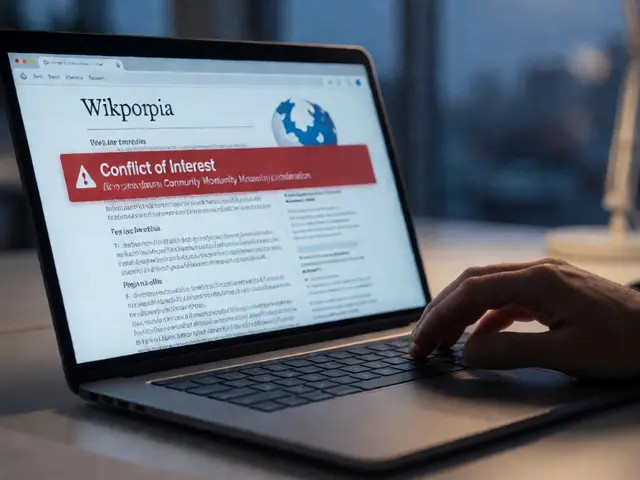
One of the most contentious areas remains conflict of interest (COI) editing. The 2026 update clarifies what constitutes a COI. It is no longer limited to employees of a company writing about their employer. Now, if you have a personal financial stake in a topic-say, you own stock in a tech firm-you must disclose this on your user page. The Arbitration Committee has made it clear that undisclosed COIs can lead to temporary editing bans, even if the edits were factually correct.
Why the strictness? Because trust is fragile. When readers discover that an editor was secretly promoting a product, they doubt the entire article. To protect the encyclopedia's reputation, transparency is now non-negotiable. If you are editing a topic where you have any personal connection, add a simple note to your talk page. It takes ten seconds and saves hours of back-and-forth discussions later.
Automated Tools and Bot Oversight
We often forget that half the work on Wikipedia is done by bots. However, the 2026 policy cycle introduced stricter oversight for automated scripts. Bots that perform mass deletions or categorizations now require a two-week public comment period before deployment. This ensures that when a bot removes 500 pages, the community had a chance to voice concerns first.
For human editors, this means fewer surprise mass changes. But it also means slower processing times for routine maintenance tasks. If you rely on bots to clean up formatting errors, expect a slight delay. The trade-off is worth it because it prevents well-meaning but poorly coded scripts from causing chaos. Always check the log of a bot before assuming a change was intentional by a human.
How These Changes Affect Your Workflow
You don't need to memorize every rule, but you do need to adjust your approach. Here is a practical checklist to keep your edits safe under the new regime:
- Verify your sources twice. If a source is from a small local paper, ensure it is reputable in its region. If it's a blog, check the author's credentials.
- Disclose connections early. Don't wait until someone asks. Put your COI status on your user page before starting a major project.
- Check bot logs. Before reverting a change, look at the history. Was it a human or a script? The treatment differs.
- Engage in talk pages. With stricter policies, unilateral moves are riskier. Discuss with other editors before making sweeping changes.
These steps might feel like extra work, but they build your credibility. Experienced editors who adapt quickly become go-to resources for newcomers. Instead of fighting the system, use these rules to showcase your expertise.
| Aspect | Previous Standard (2024) | New Standard (2026) |
|---|---|---|
| Source Reliability | Expert blogs often accepted | Peer-reviewed or major media preferred |
| COI Disclosure | Recommended for direct employers | Mandatory for any financial/personal stake |
| Bot Deployment | Self-declared by bot owner | Requires 14-day public comment period |
| Penalty for Undisclosed COI | Warning only | Potential temporary ban |
Common Pitfalls to Avoid
Even seasoned editors trip up on these new nuances. One common mistake is assuming that "neutral" means "no opinion." Neutrality means presenting all significant viewpoints fairly. If one side of a controversy has ten reliable sources and the other has one, the article should reflect that imbalance. Don't force false balance just to look fair.
Another pitfall is ignoring the context of the source. A quote from a politician is fine, but a quote from a random commenter on social media is not. The 2026 guidelines emphasize the *authority* of the speaker, not just the existence of the statement. Always ask: "Who said this, and why should I believe them?" If the answer is vague, find a better source.
Looking Ahead: What Comes Next
The Wikimedia Foundation is currently debating a new initiative on article stability. The goal is to reduce edit wars by introducing mandatory cooling-off periods for contested topics. While not yet in effect, this suggests a future where patience is valued over speed. If you want to stay ahead of the curve, start practicing consensus-building now. Engage with critics, listen to their concerns, and find middle ground. The next wave of policy changes will likely reward collaborative editors over aggressive ones.
Do I need to disclose my profession if I edit about my industry?
Yes, if you hold a senior position or have a financial stake. For example, a marketing manager at a tech company should disclose this role when editing articles about competitors or industry trends. A junior intern may not need to, but transparency is always safer.
What happens if I get caught using a weak source?
Usually, the edit gets reverted with a tag. If it happens once, it's a learning moment. If it happens repeatedly, you might receive a warning. Rarely does a single weak source lead to a ban unless it was part of a coordinated campaign.
Are bots still allowed to make large-scale changes?
Yes, but they must follow the new 14-day comment period. Once approved, bots can operate normally. The restriction applies to the initial deployment or significant changes to their code, not every single edit they make.
How do I know if a source is considered 'reliable' in 2026?
Look for editorial oversight. Does the publication have a team of editors who fact-check stories? Is there a correction policy? If yes, it's likely reliable. If it's a self-published blog with no editorial process, treat it with caution.
Will these policies affect small-language Wikipedias differently?
Slightly. Smaller communities may struggle to find enough reliable sources in their language. However, the core principle of verification remains the same. They might allow more local newspapers as valid sources compared to the English Wikipedia, which has access to global media.