Imagine you’re writing a piece on the history of a specific industrial process. You find a Wikipedia article that looks detailed, but is it accurate? Is it biased? Or is it just a stub waiting to be filled with errors? For journalists, relying on Wikipedia as a primary source is risky, but using it as a starting point without verification is even worse. The platform’s open-edit model means content can change by the minute. To navigate this, you need more than a quick glance; you need a systematic approach to evaluating the quality of an entry before citing it.
This guide breaks down the specific tools and signals available within Wikipedia that help journalists assess credibility. We are not talking about external fact-checking sites here, but the internal mechanisms Wikipedia uses to flag issues, track changes, and rate content. Understanding these allows you to distinguish between a well-sourced, neutral entry and a fan-made page full of promotional fluff.
The Core Signal: Article Rating System
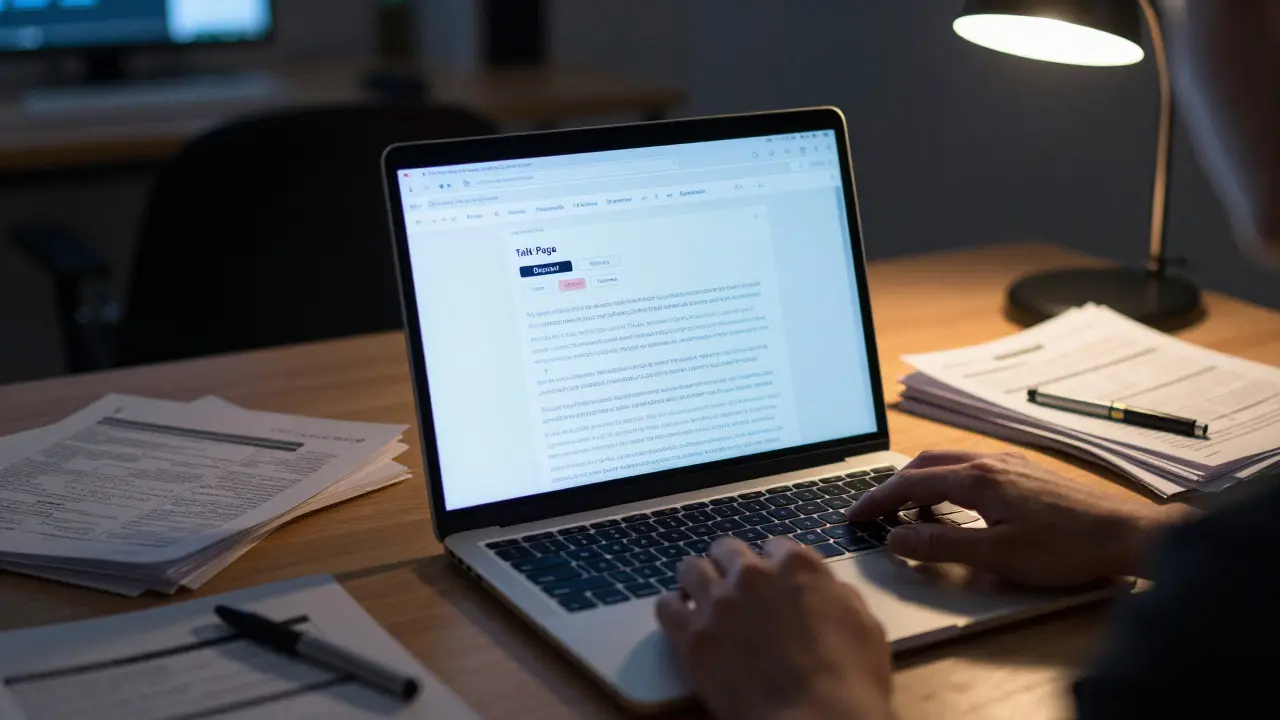
The most direct indicator of quality is the Article Rating System. Every significant topic on Wikipedia has a dedicated talk page where editors discuss improvements. At the top of this talk page, you will often see a banner indicating the current status of the article. This is your first stop.
Ratings range from "Stub" (a very short, incomplete article) to "Featured Article" (the highest standard, reviewed by peers). Here is what these labels actually mean for a reporter:
- Featured Article (FA): These have passed rigorous peer review. They are comprehensive, well-referenced, and neutral. If you cite an FA, you are in safe territory for general facts.
- Good Article (GA): Slightly lower bar than FA, but still high quality. Good for background information, though you should still verify specific statistics against original sources.
- C-Class or B-Class: These are average articles. They contain useful information but may lack depth or have outdated references. Use them for leads, not citations.
- Stub or Start-Class: Treat these with extreme caution. They are often written by enthusiasts or fans and may lack proper sourcing entirely.
If there is no rating banner, assume the article is unrated. Unrated articles can be anything from excellent to terrible. In this case, you must dig deeper into the references and edit history.
Reading Between the Lines: Talk Pages and Consensus
The Talk Page is where the real work happens. It is a public log of disagreements, corrections, and debates among editors. For a journalist, this is a goldmine of context. If an article claims a controversial political figure was "arrested," check the talk page. Did editors argue about the definition of arrest? Did they remove a source because it was unreliable? The talk page reveals the stability of the content.
Look for tags like "Disputed", "Notability", or "Sourcing". These indicate active conflicts. If a section is marked as disputed, do not cite it until the dispute is resolved or you have verified the claim independently. The consensus reached on the talk page often reflects the community’s best judgment on what is factual versus speculative.
Tracking Changes: Edit History and Revert Wars
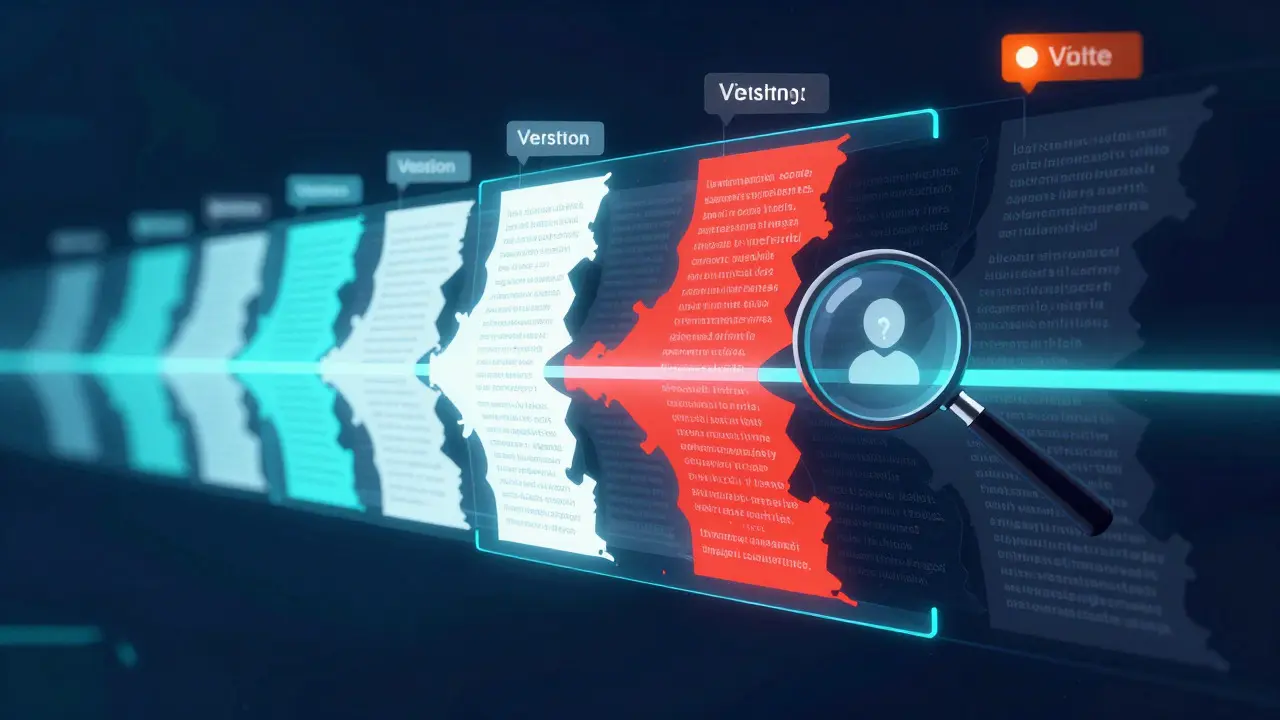
Wikipedia records every single change made to an article. The Edit History button takes you to a list of all revisions. This is crucial for detecting vandalism or bias injection. If a paragraph appears suddenly and stays, look at who added it. Was it a new account created the same day? Did they add multiple similar paragraphs across different articles? This pattern suggests a coordinated effort to push a narrative.
Conversely, if a key fact was removed recently, check why. Sometimes good information is deleted due to a minor formatting error, but other times it is removed to hide inconvenient truths. By comparing the current version with a previous stable version (often found via the "History" tab), you can ensure you are reading the most accurate iteration of the text.
Evaluating Sources: References and External Links
A high-quality Wikipedia article relies heavily on Citations to reliable secondary sources. As a journalist, you should scan the reference list. Are the sources academic journals, major news outlets, or government publications? Or are they blogs, press releases, and self-published books?
Look for inline citations. If a sentence lacks a citation, it is either common knowledge or unverified. For specialized topics, check if the sources are up to date. An article on technology from 2015 might be obsolete today, even if it was highly rated then. The freshness of the data matters as much as its accuracy.
| Indicator | High Reliability Signal | Low Reliability Signal |
|---|---|---|
| Rating Banner | Featured Article, Good Article | Stub, Start, No Rating |
| Talk Page Activity | Resolved disputes, clear consensus | Ongoing arguments, "Disputed" tags |
| Edit History | Stable over months, diverse editors | Frequent reverts, single-user dominance |
| Sources | Academic, Major News, Government | Blogs, Press Releases, User-generated |
Tools for Deep Dives: WikiData and Structured Data
Beyond the main article, Wikidata provides structured data linked to Wikipedia entries. It contains facts like dates, locations, and identifiers. While less prone to narrative bias, it is not infallible. However, it is excellent for verifying basic facts like birth dates or official titles. If the main article says a person was born in 1980, but Wikidata lists 1978, one of them is wrong. Cross-referencing these two platforms helps identify discrepancies quickly.
Another tool is the Watchlist feature. If you are covering a breaking story, add the relevant Wikipedia article to your watchlist. You will receive notifications when changes are made. This allows you to monitor how the community reacts to new events in real-time, giving you insight into which details are being contested immediately after publication.

Common Pitfalls and How to Avoid Them
One major trap is Recency Bias. Just because an article looks polished doesn’t mean it’s current. Always check the last edited date. For fast-moving topics like elections or scientific breakthroughs, an article not updated in six months is likely outdated.
Another pitfall is assuming neutrality. Wikipedia aims for a Neutral Point of View (NPOV), but this is a goal, not a guarantee. Check the tone. Does the language sound objective, or does it use emotive words? If the article describes a protest as a "riot" without citing police reports, it may reflect a bias rather than a fact.
Finally, don’t forget to check the Categories at the bottom of the page. These group related topics. If an article is categorized under both "Historical Figures" and "Controversial Figures," it hints at the complexity of the subject. Exploring these links can lead you to related articles that provide additional context or contradicting viewpoints.
Building Your Verification Workflow
To make this process efficient, establish a routine. First, check the rating banner. Second, skim the talk page for active disputes. Third, inspect the edit history for recent volatility. Fourth, verify key claims against the cited sources. Only after these steps should you consider the article reliable enough for citation. This workflow takes only a few minutes but significantly reduces the risk of publishing inaccurate information.
By treating Wikipedia not as a final authority, but as a curated index of human knowledge, you unlock its true value. It becomes a map to the sources you need, rather than the destination itself. With the right tools and a critical eye, you can leverage this massive repository to enhance your reporting while maintaining journalistic integrity.
Can I cite a Wikipedia article directly in my report?
Generally, no. Most style guides prefer citing the original sources listed in the Wikipedia article. However, for trivial facts like dates or names, citing Wikipedia is sometimes acceptable if the article is a Featured Article. Always check your publication's specific guidelines.
What does a 'Stub' rating mean for accuracy?
A Stub is a very short article with minimal content. It offers little value for deep research and is often prone to errors due to lack of peer review. Use it only to identify keywords for further searching, not for facts.
How do I check if an editor is biased?
Check the editor's contribution history. If they frequently edit articles about their own company or favorite band, they may have a conflict of interest. Look for patterns of adding promotional language or removing negative facts.
Is Wikidata more reliable than the main Wikipedia article?
Wikidata is better for discrete facts like dates and numbers because it requires strict formatting. However, it is still user-edited. Cross-reference Wikidata with the main article and primary sources to ensure consistency.
What should I do if I find an error in a Wikipedia article?
You can fix it yourself if you have a reliable source, or leave a note on the Talk Page. Mentioning the error on the Talk Page alerts other editors and creates a record of the correction, which helps maintain the article's integrity.