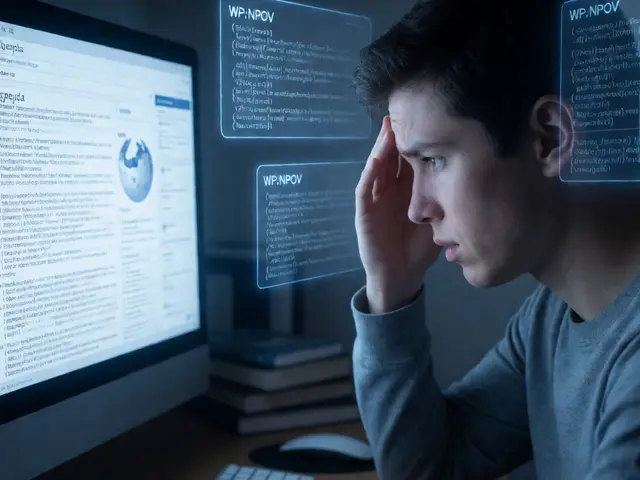
Imagine spending two hours researching a local historical figure, carefully citing three academic sources, and hitting the save button. Ten minutes later, your edit is gone. No explanation, just a revert. For many newcomers to Wikipedia is a free online encyclopedia that anyone can edit, relying on volunteer editors to maintain accuracy and neutrality., this moment isn't just annoying; it's a dealbreaker. It signals that their contribution wasn't welcome, leading them to quit before they even understand how the system works.
The core problem here is the friction between established norms and new voices. When an experienced editor sees an edit that violates style guidelines or lacks citations, they often revert it quickly to protect article quality. But for a first-time contributor, that action feels like rejection. The result is high churn rates among new users, which hurts the project's goal of representing diverse perspectives. If we want a more inclusive encyclopedia, we need to change how we handle these early interactions.
Why Reverts Feel Like Rejection
To fix retention, you have to understand why Reverts are the act of undoing a previous edit to restore an earlier version of a page. technically correct but socially damaging. In Wikipedia culture, speed is valued. If an error is spotted, it gets fixed fast. This efficiency keeps articles clean, but it creates a cold environment for beginners who don't know the unwritten rules.
Newcomers often make specific types of errors that trigger immediate reverts:
- Lack of Citations: Adding facts without reliable sources is the most common reason for removal. Veterans assume the new user didn't read the manual; the new user assumes the veteran is being rude.
- Tone Issues: Using subjective language like "amazing" or "terrible" instead of neutral phrasing.
- Formatting Errors: Broken links, inconsistent capitalization, or poor use of bold text.
When these edits are reverted without a note on the talk page, the newcomer never learns *why* they were wrong. They only learn that their effort was wasted. This lack of feedback loop is the primary driver of dropout rates in the first week of participation.

The Role of Mentorship in Bridging the Gap
This is where structured mentorship changes the dynamic. Instead of letting reverts stand as silent judgments, mentors step in to provide context. Mentorship Programs are organized initiatives pairing experienced editors with newcomers to guide their learning process. These programs aren't about doing the work for the new user; they're about translating the culture.
A good mentor does three things differently than a standard editor:
- Pre-empts Conflicts: They watch for new edits and offer gentle suggestions before a harsh revert happens.
- Explains the 'Why': If a revert is necessary, the mentor ensures a clear, friendly note is left explaining the specific rule violated.
- Normalizes Failure: They remind the newcomer that every expert was once a beginner who made mistakes.
Consider the difference in impact. A simple revert message might say: "No source." A mentor-guided interaction might say: "Great start! I added a link to a source for this fact. Here is a guide on how to find reliable sources next time. Keep going!" The second approach retains the user; the first drives them away.

Practical Strategies for Editors and Administrators
You don't need a formal program to improve retention. Individual editors can adopt habits that support newcomers right now. The goal is to shift from a "police