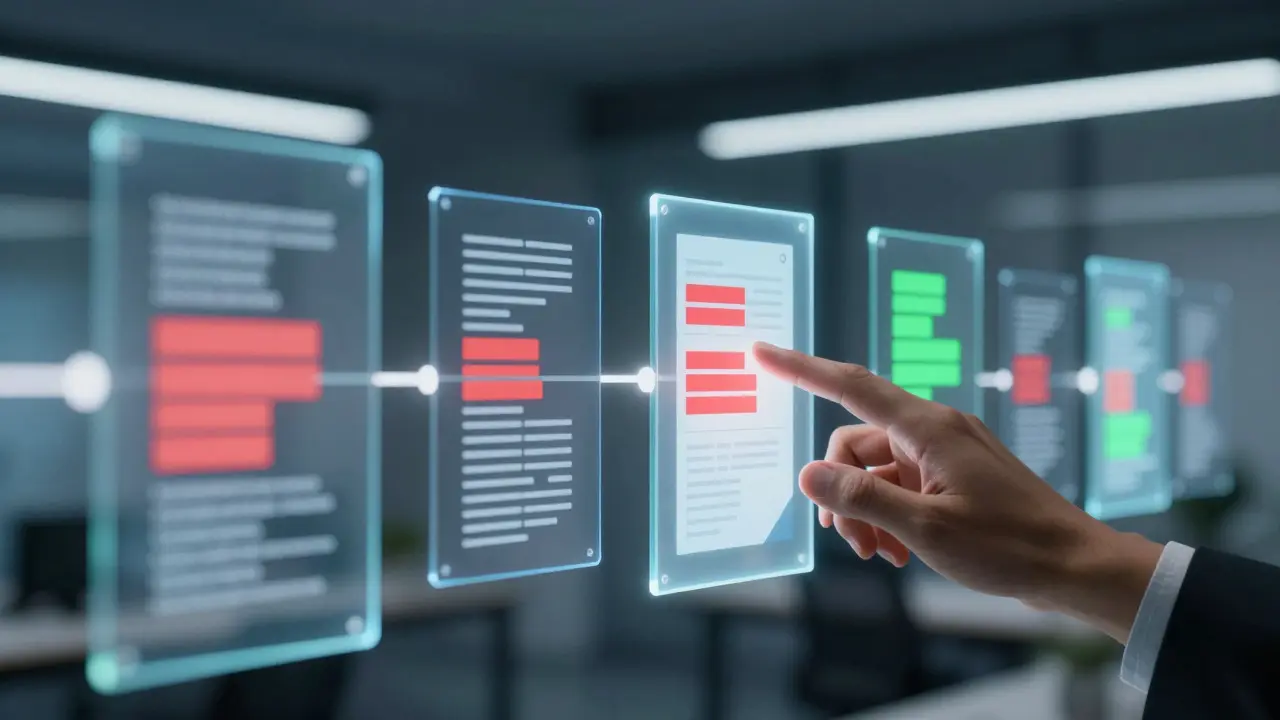
Ever clicked the "History" tab on a Wikipedia page and wondered why it matters? It’s not just a digital paper trail; it’s the backbone of how one of the world's largest knowledge bases maintains trust without a single editor-in-chief. When you read an article about a historical event or a scientific concept, you’re seeing the final consensus. But behind that clean text lies a chaotic, transparent, and highly public process of negotiation. This is where Wikipedia transparency shines brightest.
Most people assume encyclopedias are written by experts in ivory towers. In reality, Wikipedia operates on a model called open collaboration. Anyone can edit, but anyone can also check the work. The system relies heavily on three main pillars: edit histories, system logs, and public discussion archives known as talk pages. Together, these tools create a self-correcting machine that has survived for nearly two decades with minimal centralized control.
The Edit History: A Time Machine for Text
Edit History is a chronological log of every change made to a specific Wikipedia page. If you view the history of any article, you see a list of timestamps, user names (or IP addresses), and brief summaries of what was changed. Clicking on a specific entry lets you see exactly what was added or removed compared to the previous version.
This feature is crucial for accountability. Imagine a controversial political figure’s biography. If someone suddenly adds a biased sentence claiming they were involved in a scandal without a source, another user can spot it immediately. They don’t need to guess who did it or when. The history tells them. More importantly, they can revert the change with one click, restoring the page to its state before the vandalism or bias crept in.
For regular readers, this means the current version of an article isn't static. It’s the latest snapshot in a continuous conversation. If you find a fact questionable, checking the history might reveal that the debate is still ongoing, or that the fact was recently challenged and supported by new evidence. It turns reading from a passive act into an active verification process.
System Logs: Watching the Administrators at Work
Beyond individual edits, there are broader actions taken by trusted users, such as administrators or bots. These actions are recorded in System Logs are public records of administrative actions like page protection, deletion, and user blocking. Unlike edit histories, which track content changes, logs track structural changes to the wiki itself.
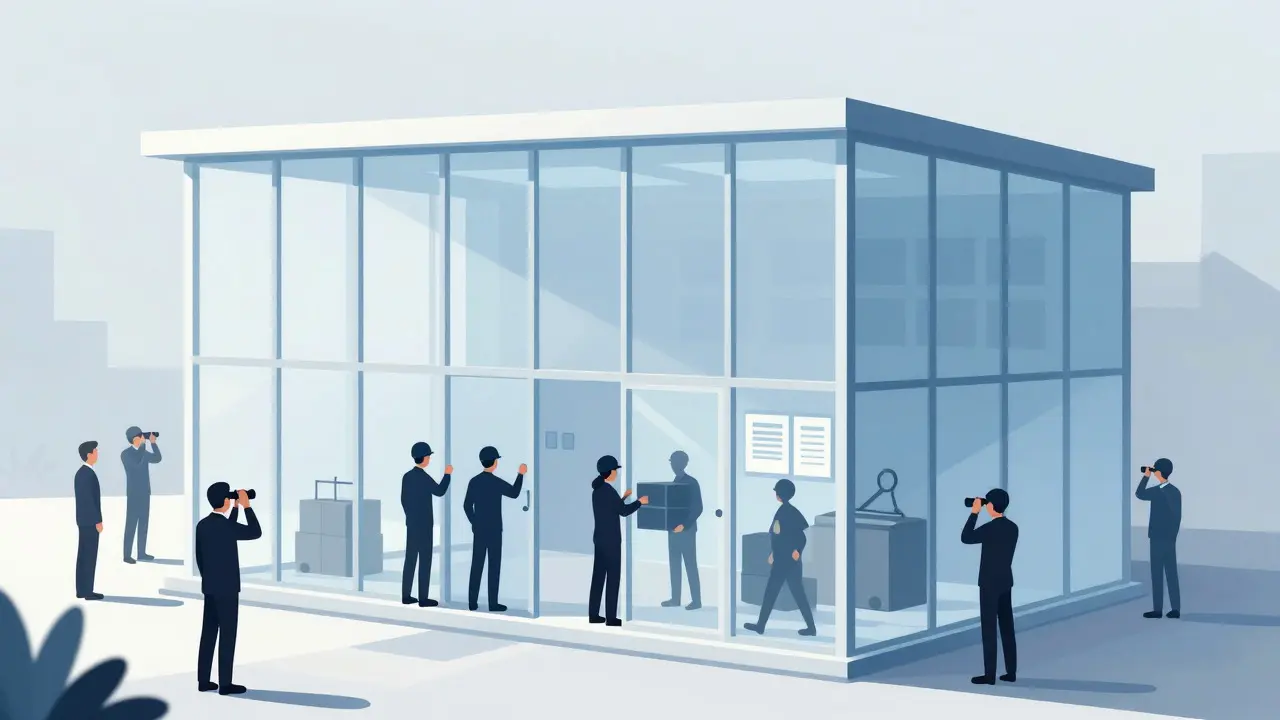
Why does this matter? Because administrators have special powers. They can delete pages, protect them from editing, or block users who break rules. If these powers were hidden, Wikipedia would look like a dictatorship. Instead, every time an admin protects a page due to a dispute, it appears in the log. Other editors can review the reason given. If they disagree, they can discuss it publicly or even vote to remove the admin’s privileges later.
This layer of transparency ensures that power remains accountable. You can trace back to see if a page was deleted unfairly or if a user was blocked for a valid reason. It creates a culture where even those with extra tools must justify their actions to the community.
Talk Pages: The Public Square for Debate
If edit histories show *what* happened, talk pages show *why*. Every Wikipedia article has a corresponding Talk Page is a public forum where editors discuss improvements, disputes, and sourcing issues for the associated article. Think of it as a comment section, but with higher stakes and stricter norms.
When editors disagree on how to phrase a sentence or whether a topic deserves its own article, they move the debate here. They post arguments, cite sources, and try to reach consensus. Once they agree, they update the main article accordingly. This process prevents "edit wars," where two users keep reverting each other’s changes indefinitely.
These archives are permanent. Even if a debate is resolved and the talk page is cleaned up, the old discussions remain accessible. Researchers, journalists, and curious readers can dig through years of conversations to understand how a particular piece of information was vetted. For example, if you question the accuracy of a medical claim on Wikipedia, the talk page might contain a detailed breakdown of which studies were considered and why others were rejected.
How These Elements Create Trust
The combination of these three elements creates a unique form of quality control. Traditional encyclopedias rely on the reputation of their editorial board. Wikipedia relies on the visibility of its process. Here’s how they work together:
- Verification: Edit histories allow anyone to verify if a change was malicious or constructive.
- Accountability: System logs ensure administrators act within community guidelines.
- Consensus Building: Talk pages provide a space for reasoned debate before changes are finalized.
This structure encourages good faith. Since everyone can see what you do, it’s harder to hide bad behavior. Over time, this fosters a community of editors who care about accuracy because their contributions are permanently visible and subject to peer review.
| Tool | Primary Function | Who Uses It Most? | Key Benefit |
|---|---|---|---|
| Edit History | Tracks content changes over time | Vandals, Editors, Readers | Easy reversal of bad edits |
| System Logs | Records admin actions (deletions, blocks) | Administrators, Community Members | Accountability for privileged users |
| Talk Pages | Facilitates discussion and consensus | Active Editors | Reduces edit wars and improves accuracy |

Practical Tips for Using These Features
You don’t need to be an editor to benefit from these tools. Here’s how you can use them to get more out of your Wikipedia experience:
- Check the Date: Look at the top of the edit history to see when the page was last significantly updated. A page edited yesterday might be more current than one from five years ago.
- Look for Disputes: If an article seems neutral, check the talk page. Sometimes, unresolved debates are hinted at in the references or footnotes. The talk page will clarify if the current wording is a temporary compromise.
- Trace Sources: If a fact looks suspicious, use the edit history to see which user added it. Then, check if that user cited a reliable source. If not, the fact might be weakly supported.
These steps take only a few minutes but can significantly increase your confidence in the information you’re consuming. It transforms Wikipedia from a black box into a transparent workspace.
Frequently Asked Questions
Can anyone see Wikipedia edit histories?
Yes, edit histories are completely public. Any visitor to a Wikipedia page can view the full history of changes without needing an account. This openness is central to the project's transparency model.
What is the difference between an edit history and a system log?
Edit histories track changes to the actual text content of an article. System logs track administrative actions like deleting a page, protecting it from edits, or blocking a user. Both are public, but they serve different purposes in maintaining order.
Do talk pages affect the main article directly?
No, talk pages are separate from the main article. They are used for discussion. Changes are only made to the main article after editors reach a consensus on the talk page. This separation helps keep the article clean while allowing for complex debates.
How long are Wikipedia discussions archived?
Talk page discussions are archived indefinitely unless manually moved to an archive page. Even then, the archives remain accessible. This ensures that the reasoning behind major decisions is preserved for future reference.
Is Wikipedia more trustworthy because of its transparency?
Many researchers argue yes. While errors can occur, the ability to easily identify and correct them through public scrutiny often leads to faster resolution than in traditional publishing models. The transparency allows for collective intelligence to fix mistakes quickly.