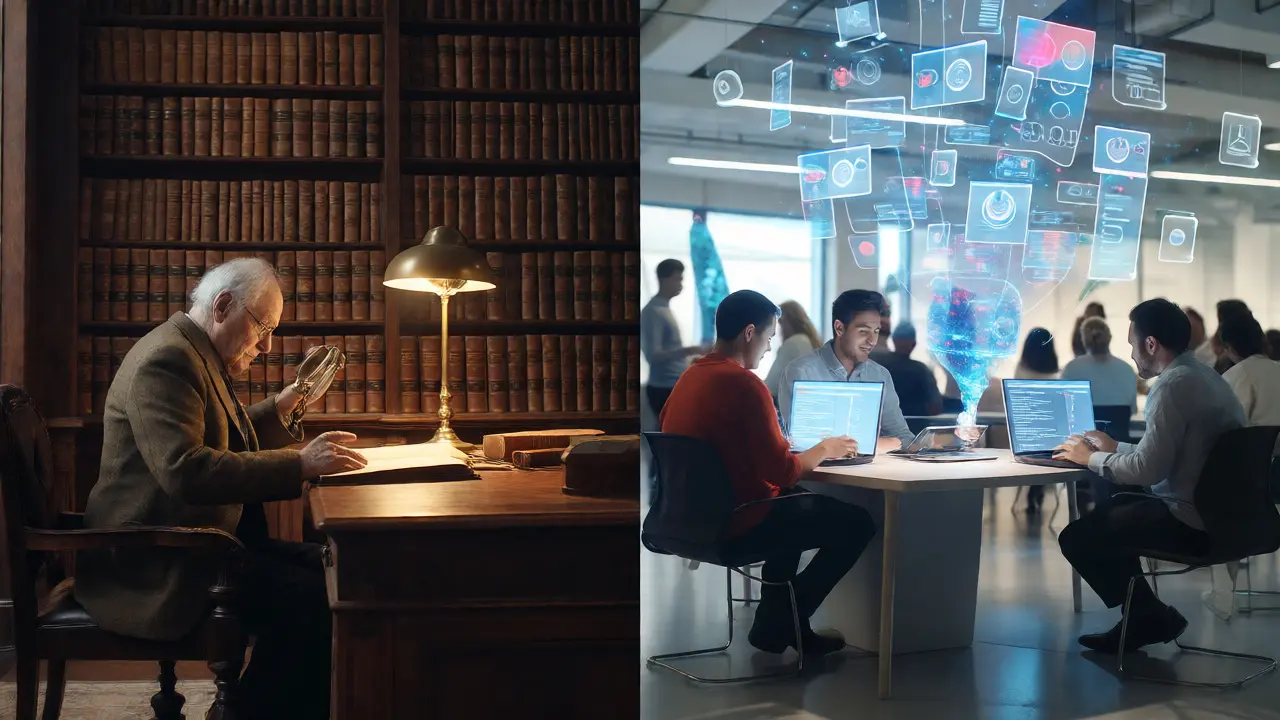
You probably checked Wikipedia last week. Maybe you looked up a celebrity’s birthdate, fixed a typo in a historical article, or read about a new gadget before buying it. It’s fast, free, and everywhere. But for centuries, knowledge was locked behind expensive covers and guarded by elite editors. The shift from traditional encyclopedias like Encyclopædia Britannica to the open-edit model of Wikipedia isn’t just about technology. It’s a fundamental change in who owns truth and how we get it.
This comparison matters because both models shape how we trust information. One relies on paid experts and slow, rigorous checks. The other relies on millions of volunteers and rapid, community-driven corrections. Neither is perfect, but understanding their differences helps you decide when to cite one and when to double-check the other. Let’s break down how they work, where they fail, and why this battle over accuracy still matters today.
The Gatekeepers vs. The Crowd
Traditional encyclopedias operate on a top-down hierarchy. Think of Britannica, which started publishing in 1768 and moved online in 1994. Its content is written by named experts-often PhDs, journalists, or specialists in specific fields. These authors are hired or contracted. An editor-in-chief reviews every word before it hits the page. This creates a high barrier to entry. You can’t just walk into the Britannica newsroom and suggest a change. You need credentials, connections, or a contract.
Wikipedia flips this script entirely. Launched in 2001 by Jimmy Wales and Larry Sanger, it uses a wiki software that allows anyone with an internet connection to edit articles. There are no paid staff writing the bulk of the content. Instead, it relies on a global community of volunteers. This "crowdsourcing" model means the encyclopedia grows exponentially faster than any printed volume could. While Britannica has around 120,000 articles, Wikipedia boasts over 6 million in English alone.
The trade-off is control. Britannica offers stability; Wikipedia offers speed. If a major event happens at 9 AM, Wikipedia might have a draft article by 9:15 AM. Britannica won’t mention it until the next edition or a scheduled digital update, which could take months. For breaking news or niche topics, the crowd wins. For established scientific principles, the gatekeepers often provide more consistent reliability.
How Editorial Decisions Are Made
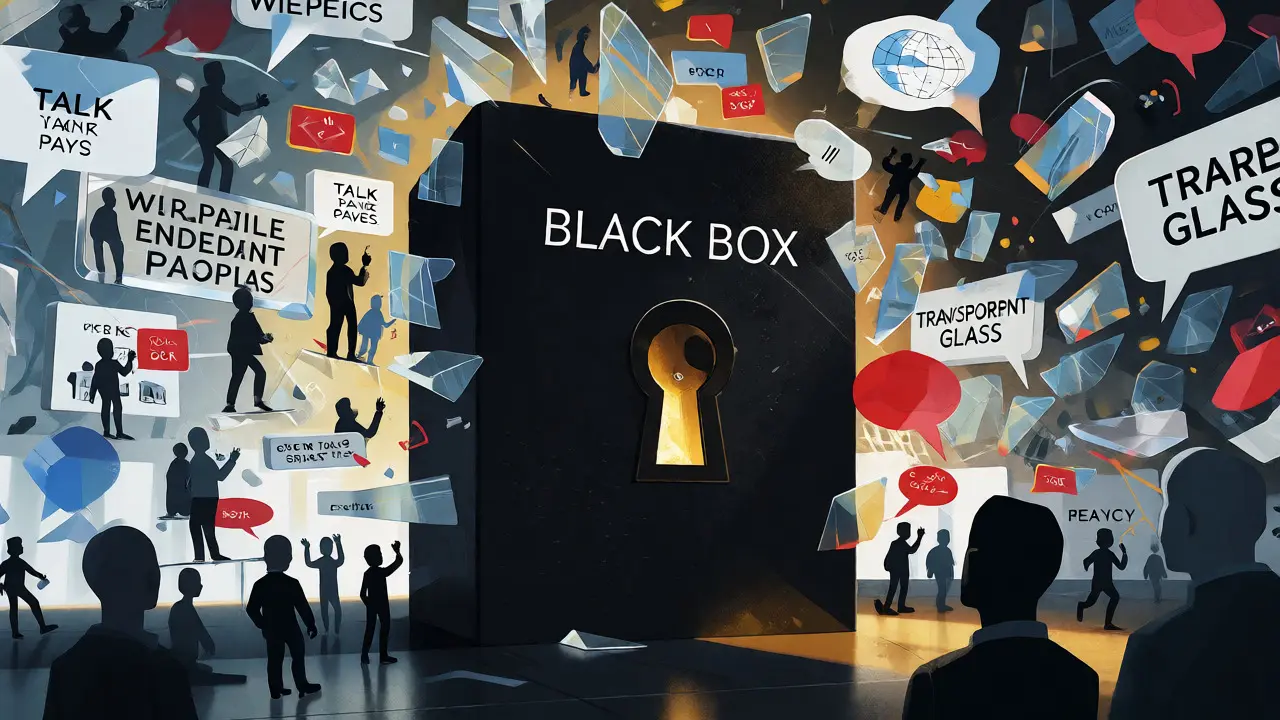
Accuracy isn’t just about facts; it’s about how those facts are verified. In traditional encyclopedias, verification is internal. An author submits a draft. Fact-checkers cross-reference it against primary sources. Editors cut what doesn’t fit the house style. If a dispute arises, the editor decides. The reader never sees this process. It’s a black box of quality assurance.
Wikipedia makes its editorial process transparent but messy. Every claim needs a citation to a reliable source. If you add a fact without a link to a newspaper, book, or academic journal, someone will likely delete it within minutes. Disputes happen on the "Talk" page attached to each article. Here, users argue over wording, neutrality, and sourcing. They vote, compromise, or escalate to administrators if consensus fails.
| Feature | Traditional Encyclopedia (e.g., Britannica) | Wikipedia |
|---|---|---|
| Authorship | Hired experts, scholars, journalists | Anonymous or pseudonymous volunteers |
| Review Speed | Months to years per revision cycle | Minutes to hours for minor edits |
| Error Correction | Corrected in next edition or errata sheet | Immediate community correction possible |
| Bias Control | Editorial board oversight | NPOV (Neutral Point of View) policy enforcement |
| Cost to User | Subscription or purchase price | Free (donation-supported) |
This transparency cuts both ways. On Wikipedia, you can see exactly who changed what and why. If a politician’s page is edited right after a scandal, you can trace the history. But this openness invites vandalism. A bored teenager can delete a paragraph as a joke. Most of these errors are caught quickly by automated bots or active editors, but not always. Studies have shown that while long-term Wikipedia articles are surprisingly accurate, short-lived or obscure pages suffer from higher error rates due to lack of attention.
Access and Reach
Let’s talk about who actually gets to use these resources. Traditional encyclopedias were status symbols. A full set of Britannica cost hundreds of dollars decades ago, putting it out of reach for many families. Today, digital subscriptions still create a paywall. Schools and libraries buy licenses, but individual access often requires a monthly fee. This limits reach to those who can afford it or have institutional backing.
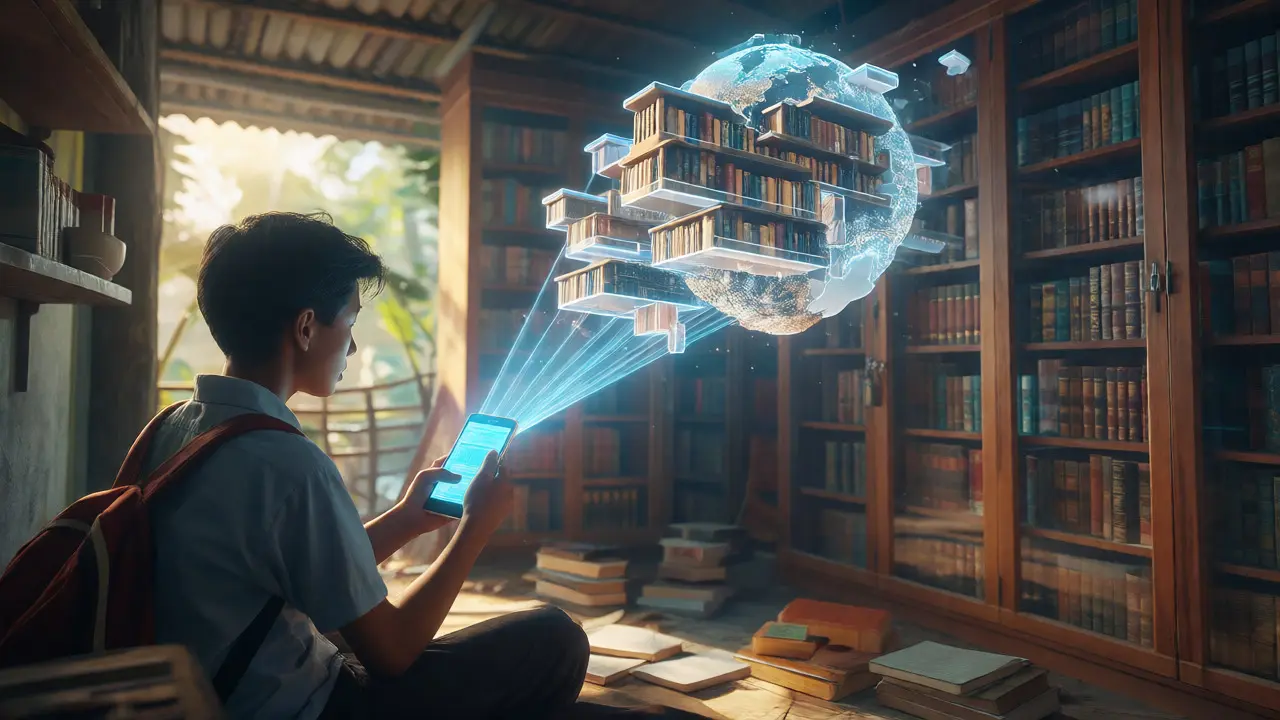
Wikipedia is radically accessible. It’s free, ad-free, and available in over 300 languages. You don’t need a library card or a credit card. Just a phone. This democratization of knowledge has profound effects. Students in rural areas with limited library budgets can access the same basic information as students in wealthy urban centers. Non-English speakers can find articles in their native tongue, though depth varies significantly between language editions.
However, access doesn’t equal authority. Because Wikipedia is free and editable, it’s often viewed as less authoritative in academic circles. Many professors ban citing Wikipedia directly in research papers. Why? Because it’s a tertiary source-it summarizes other sources rather than presenting original research. Traditional encyclopedias, while also tertiary, carry the weight of institutional reputation. Citing Britannica signals that you consulted a vetted resource. Citing Wikipedia signals you did a quick check but didn’t dig deeper.
Longevity and Stability
One major difference lies in permanence. Printed encyclopedias are static. Once published, they don’t change until the next edition. This creates a stable record of knowledge at a specific point in time. Historians love this. You can look at a 1950s Britannica and see exactly what the scientific consensus was then. It’s a snapshot.
Wikipedia is fluid. Articles evolve daily. This is great for current events but bad for tracking historical shifts in opinion. To see how Wikipedia viewed climate change in 2010 versus 2020, you have to dig through version histories. It’s doable, but cumbersome. Furthermore, Wikipedia articles can be deleted or merged if deemed irrelevant. Entire topics can disappear overnight if the community decides they don’t meet notability guidelines. Traditional encyclopedias rarely delete entries; they just update them.
Consider the case of a local musician who gains sudden fame. Wikipedia will likely create a page for them immediately. If the hype dies, the page might be deleted for lacking notability. Britannica might ignore them entirely unless they achieve significant cultural impact. This volatility means Wikipedia reflects the pulse of the moment, while traditional encyclopedias reflect enduring significance.
Which Should You Trust?
It depends on your goal. If you’re writing a doctoral thesis, start with traditional encyclopedias or academic databases. Use Wikipedia to get an overview, find keywords, and locate primary sources via the references section. Never cite Wikipedia itself in formal academic work.
If you’re trying to understand a new tech trend, a recent political event, or a pop culture reference, Wikipedia is unmatched. Its speed and breadth are unbeatable. Just remember to check the citations. Look for footnotes linking to reputable news outlets or official documents. Avoid articles with few sources or heavy warning banners like "This article needs additional citations."
For general curiosity, both work fine. But here’s a pro tip: cross-reference. If Wikipedia says a historical figure died in 1920, check Britannica or another source. If they agree, you’re safe. If they disagree, investigate further. Discrepancies often reveal interesting nuances or recent discoveries that haven’t made it into print yet.
Is Wikipedia more accurate than Britannica?
Not necessarily. A famous 2005 Nature study found that Wikipedia had a similar number of serious errors to Britannica in science articles. However, Wikipedia’s errors are often corrected faster due to community monitoring. Britannica tends to have fewer initial errors due to professional editing, but corrections take longer. Accuracy depends on the topic's popularity and the activity level of editors.
Can I cite Wikipedia in my school paper?
Generally, no. Most teachers and professors consider Wikipedia a tertiary source that lacks the authority needed for formal academic citations. It’s best used as a starting point to find better sources listed in the references section. Always check your specific assignment guidelines.
Who writes Wikipedia articles?
Volunteers from around the world. Some are subject matter experts, but many are enthusiasts. Anyone can edit, regardless of credentials. Contributors often use usernames or IP addresses, so anonymity is common. Experienced editors gain status and tools to help manage disputes and revert vandalism.
Why does Wikipedia sometimes have biased articles?
Bias can creep in because the majority of contributors may share a similar background or perspective. For example, early Wikipedia had a strong Western, male bias. The Neutral Point of View (NPOV) policy aims to fix this, but achieving true balance is difficult. Controversial topics often have lengthy talk pages where editors debate wording to ensure fairness.
Is traditional encyclopedia content still relevant?
Yes, especially for historical context and established scientific facts. Their rigorous editorial standards make them valuable for verifying core knowledge. Additionally, older editions serve as historical artifacts showing how knowledge and societal values evolved over time.
Final Thoughts on Knowledge Ownership
We’ve moved from knowledge being a scarce commodity owned by publishers to an abundant resource maintained by the public. This shift has risks, like misinformation spreading quickly. But it also brings benefits, like diverse voices entering the conversation. Wikipedia isn’t replacing traditional encyclopedias; it’s changing how we verify them. Smart readers use both. They skim Wikipedia for the big picture, then dive into traditional sources or primary documents for depth. Don’t treat either as gospel. Treat them as tools. The real skill today isn’t memorizing facts; it’s knowing how to navigate the flood of information and find the signal in the noise.