Ever spent hours editing a Wikipedia article, only to have it flagged as "stub" or "low quality"? You’re not alone. Thousands of editors make well-intentioned contributions every day, but without understanding the WikiProject assessment guidelines, their work gets overlooked-or worse, reverted. These guidelines aren’t bureaucracy. They’re the invisible framework that keeps Wikipedia reliable, consistent, and trustworthy. If you want your edits to stick and your articles to rise in quality, you need to know how these assessments work-and how to meet them.
What Are WikiProject Assessment Guidelines?
WikiProject assessment guidelines are community-driven standards used to rate the quality and importance of Wikipedia articles. They’re not enforced by bots or administrators. They’re applied by volunteer editors who belong to specialized WikiProjects-groups focused on specific topics like medicine, history, or video games. Each WikiProject has its own version of these guidelines, but they all follow the same core structure: a scale from Stub to Featured Article.
The most common rating scale looks like this:
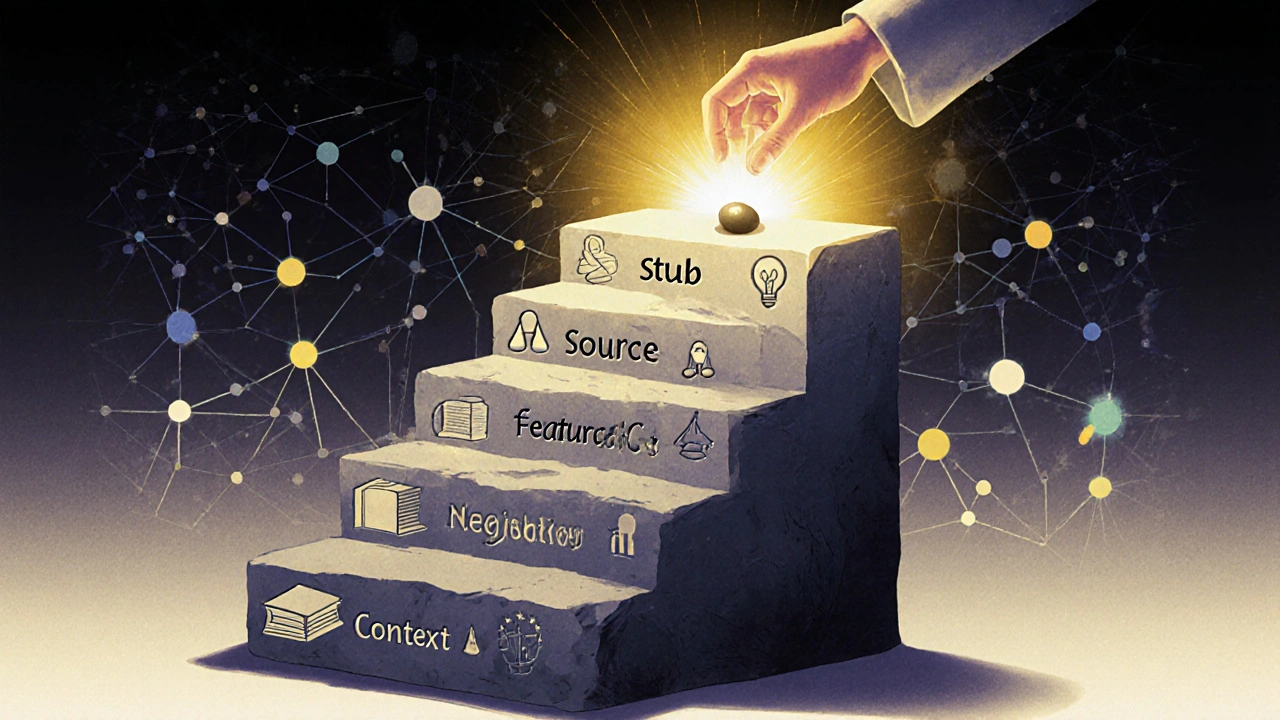
- Stub - Bare minimum content, barely more than a sentence
- Start - Basic structure, but missing key details or references
- C-class - Solid coverage of main points, with decent sourcing
- B-class - Comprehensive, well-written, with reliable sources and structure
- Good Article - Meets strict criteria for accuracy, neutrality, and completeness
- Featured Article - Top-tier, peer-reviewed, and considered among Wikipedia’s best
These ratings aren’t just labels. They determine whether an article gets promoted to the front page, included in Wikipedia’s "featured content" collections, or flagged for improvement. And they’re how experienced editors decide where to focus their time.
Why Do These Guidelines Exist?
Wikipedia has over 60 million articles. Without a way to sort them, readers can’t tell which ones to trust. Imagine landing on a medical article about diabetes that lists home remedies as main treatments-with no citations. That’s not just misleading; it’s dangerous. The assessment system exists to surface high-quality content and flag the rest.
It also helps editors. If you’re new, you don’t need to fix everything. You can look at an article’s rating and know exactly what’s missing. A C-class article might just need better references. A B-class might need a section on controversies or historical context. The guidelines turn vague feedback like "this needs work" into clear action steps.
A 2023 study by the Wikimedia Foundation found that articles rated B-class or higher were 78% more likely to be cited in academic papers and media outlets than those rated C-class or lower. That’s not coincidence. It’s the result of consistent, community-driven quality control.
How to Check an Article’s Current Rating
Before you edit, check the article’s current assessment. It’s usually found in the talk page, not the article itself. Look for a template like:
[[Category:Wikipedia 1.0 assessments|C-Class]]
Or a banner at the top of the talk page that says something like:
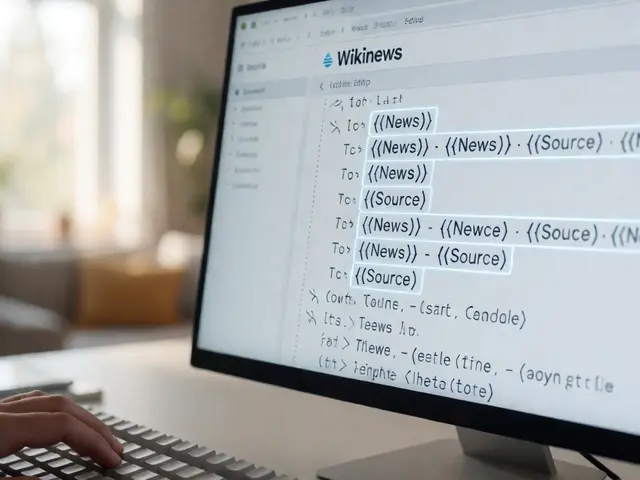
{{WikiProject Medicine|class=C|importance=Mid}}
If you don’t see one, the article hasn’t been assessed yet. That’s your chance to help. But don’t just guess the rating. Use the official assessment criteria for that WikiProject.
For example, the WikiProject Medicine has a detailed rubric. It checks for:
- Use of peer-reviewed sources
- Clear distinction between facts and opinions
- Up-to-date information (especially for treatments or guidelines)
- Presence of safety warnings and contraindications
Other WikiProjects have different priorities. A history article might need citations from primary sources. A biography needs reliable coverage of the subject’s life, not just fan pages or press releases.

How to Improve an Article to Meet Higher Standards
Let’s say you’re working on a C-class article about a lesser-known scientist. It has three paragraphs, one citation from a blog, and no section on their impact. Here’s how to move it to B-class:
- Expand the content. Add sections: early life, major contributions, legacy, and reception by peers.
- Replace the blog citation with a journal article from JSTOR, Google Scholar, or a university press.
- Include at least two more citations from independent sources-no self-published material.
- Write in neutral language. Avoid phrases like "revolutionary" or "groundbreaking" unless they’re quoted from a reliable source.
- Check for neutrality. Does the article reflect all major scholarly views, or just one?
Don’t just add text. Add context. Why does this person matter? How did their work change the field? Who built on it? That’s what separates a C-class article from a B-class one.
Common Mistakes That Keep Articles Stuck at Low Ratings
Many editors think adding more words fixes everything. It doesn’t. Here are the top reasons articles fail to improve:
- Using unreliable sources: Blogs, personal websites, press releases, and Wikipedia itself don’t count. Use peer-reviewed journals, books from academic publishers, or reputable news outlets like BBC, Reuters, or The New York Times.
- Writing like a textbook: Wikipedia isn’t a textbook. Avoid long lists, jargon without explanation, and passive voice. Write for a general reader.
- Ignoring the talk page: If someone else has flagged an issue, don’t override it. Discuss it first. Collaboration beats confrontation.
- Overloading with references: Ten citations for one sentence? That’s not thorough-it’s spam. Use one strong, relevant source per claim.
- Skipping the importance scale: Every article has an importance rating too: Low, Mid, High, Top. A high-importance article needs more depth, even if it’s short.
One editor improved a C-class article on a 19th-century inventor by replacing six blog links with three academic papers and adding a section on how his patents influenced modern engineering. The article jumped to B-class in two weeks.
How to Request an Official Assessment
Once you’ve made solid improvements, don’t just change the template. Ask for a formal review.
Go to the WikiProject’s assessment page. For example:
- WikiProject History: Wikipedia:WikiProject_History/Assessment
- WikiProject Science: Wikipedia:WikiProject_Science/Assessment
Leave a message on the talk page of the article or on the project’s assessment board. Say something like:
"I’ve expanded the article on [Topic] with new sources and structure. It now meets B-class criteria. Could someone please review?"
Be patient. Volunteers respond when they can. But if you’ve done the work, someone will notice.
What Happens After You Reach Featured Article Status?
Featured Articles go through a rigorous peer review process. They’re checked for:
- Complete coverage of all major aspects
- Flawless neutrality
- Excellent prose and structure
- Perfect sourcing-no gaps, no weak links
- High-quality images and media (when appropriate)
Once approved, the article gets a gold star and appears on Wikipedia’s main page. It’s also archived as a model for other editors. That’s the highest honor in Wikipedia editing.
But it’s not the end. Featured Articles are monitored. If new research emerges or a source is discredited, the article can be downgraded. Quality isn’t a trophy-it’s a habit.
Where to Learn More
Start with Wikipedia’s official assessment guidelines:
- Wikipedia:Content assessment
- Wikipedia:Assessment
- Find your topic’s WikiProject by searching "WikiProject [Your Topic]" on Wikipedia
Join the discussion on talk pages. Watch how experienced editors respond to feedback. Read the comments on articles that were upgraded. You’ll learn more from watching than from reading manuals.
Final Tip: Quality Is a Process, Not a One-Time Fix
Don’t treat Wikipedia like a school assignment you submit and forget. The best editors return to their articles months later. They update citations. They fix broken links. They add new findings. That’s how Wikipedia stays alive.
If you want your edits to matter, don’t just write. Assess. Improve. Repeat.
What’s the difference between a C-class and a B-class Wikipedia article?
A C-class article has solid coverage of the main points and decent sourcing, but may lack depth in key areas, have weak or outdated references, or missing context. A B-class article is comprehensive, well-structured, and supported by multiple reliable sources. It includes background, impact, and scholarly reception, and is written in clear, neutral language suitable for general readers.
Can I rate my own article?
Yes, you can assign a preliminary rating if the article hasn’t been assessed yet. But if it already has a rating, don’t change it without discussion. Use the article’s talk page to explain your reasoning and invite feedback from other editors. Self-ratings are often reviewed and adjusted by experienced contributors.
Why do some articles get rated higher even if they’re shorter?
Length isn’t the main factor. A short article can be B-class if it covers all essential aspects with high-quality sources and clear writing. For example, a concise biography of a key historical figure with five peer-reviewed citations and context on their impact may out-rank a longer article filled with fluff and weak references. Quality beats quantity every time.
Are Wikipedia’s assessment guidelines the same for all topics?
The overall rating scale (Stub to Featured) is consistent, but each WikiProject adds topic-specific criteria. For example, medical articles require peer-reviewed sources and safety warnings, while art articles need citations from museum catalogs or scholarly critiques. Always check the assessment page of the relevant WikiProject for the exact standards.
What happens if I disagree with an article’s rating?
Disagreements are normal. Start a discussion on the article’s talk page. Cite specific improvements you’ve made or point out missing criteria from the official guidelines. Avoid arguing over opinions. Focus on verifiable standards: sources, structure, neutrality, completeness. Most ratings are adjusted through polite, evidence-based conversation.