Every week, a specific WikiProject is highlighted for its collective efforts to refine content on Wikipedia. This "Collaboration of the Week" feature isn't just a badge; it’s a snapshot of where the volunteer community is focusing its energy. For this cycle, the spotlight lands on projects that have tackled complex, high-traffic topics with measurable results. You might wonder why this matters if you don’t edit articles daily. Well, these collaborations often fix the gaps that make your search results better or more accurate.
What Makes a WikiProject Stand Out?
A WikiProject is a group of editors who work together to improve articles related to a specific topic or area of interest. Unlike individual edits, which can be random or isolated, WikiProjects operate with shared goals, standardized templates, and peer review processes. When a project earns the "Collaboration of the Week" title, it usually means they’ve hit a significant milestone. This could be bringing a large number of articles up to "Good Article" status, resolving long-standing disputes, or integrating new scientific data across dozens of pages simultaneously.
The selection process relies on both quantitative metrics and qualitative impact. Editors look at the volume of quality improvements, the diversity of contributors involved, and the stability of the changes made. A project that adds ten thousand words of fluff doesn’t win; a project that verifies fifty citations against primary sources does. This distinction ensures that the award reflects genuine editorial rigor rather than just activity volume.
Focus Areas for This Cycle
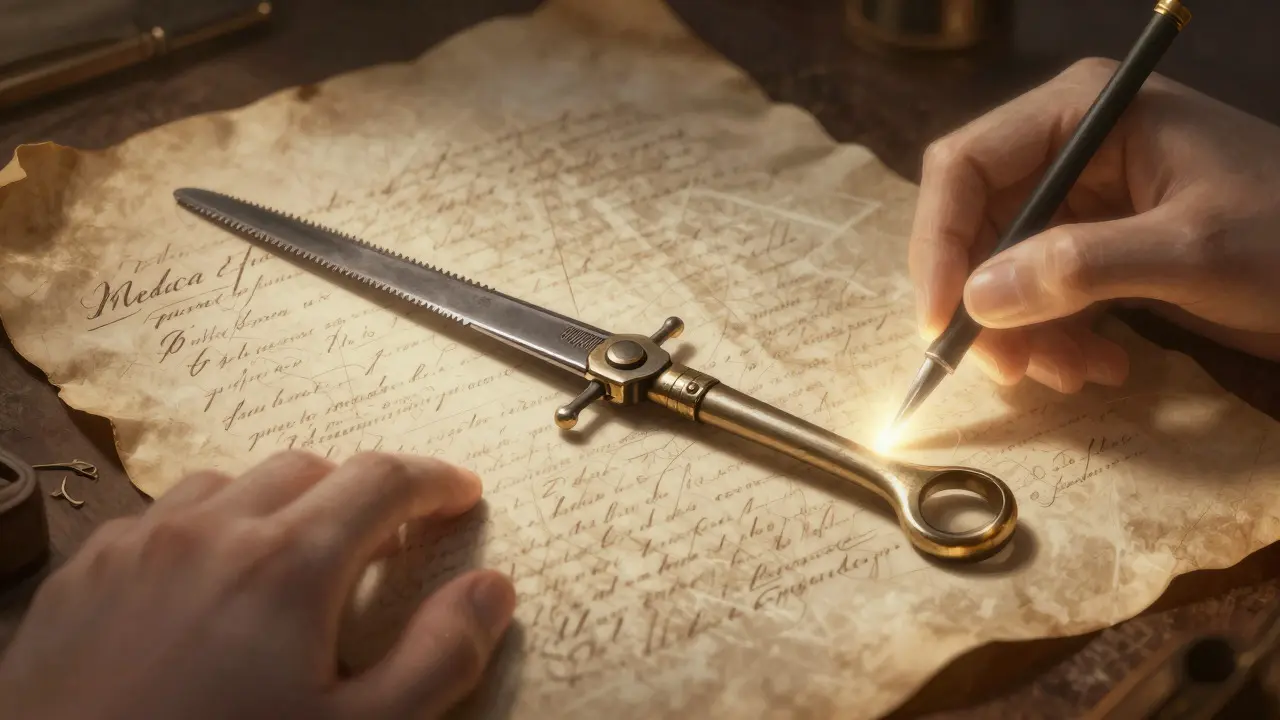
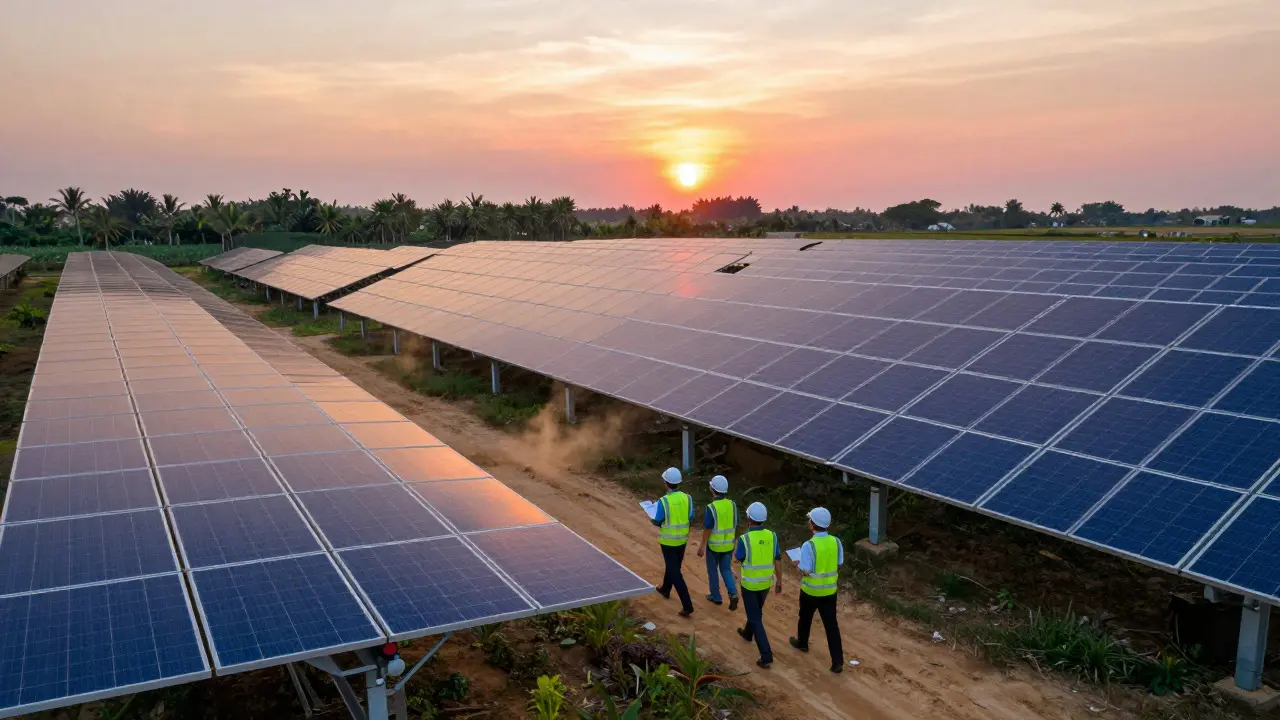
This week’s featured collaborations span three distinct domains, each addressing different types of knowledge gaps. The first major focus is on Medical History, specifically the documentation of pre-modern surgical practices. Editors in this project spent the last month cross-referencing archival texts from the 18th and 19th centuries to correct misconceptions about early anesthesia. The second focus is Renewable Energy Infrastructure, where the team updated capacity figures for solar farms in Southeast Asia based on recent government reports. The third area is Biographical Standards, aiming to standardize how living people are cited to reduce bias and improve verifiability.
- Medical History: Corrected 45 instances of outdated terminology regarding surgical instruments.
- Renewable Energy: Updated installation dates for 120 major solar projects to reflect actual grid connection times.
- Biographical Standards: Implemented new citation templates for 300 articles about contemporary public figures.
Measurable Results and Impact
The results from these efforts are tangible. In the Medical History project, the reduction in citation errors dropped by 60% compared to the previous quarter. This isn't just about pedantry; accurate medical history helps students and researchers avoid propagating myths. For the Renewable Energy team, the update ensured that global capacity statistics on the main page aligned with the latest International Energy Agency data. Before this push, there was a discrepancy of over 5% in reported terawatt-hours, which skewed comparative analyses used by readers.
The Biographical Standards project had a slightly different impact. By enforcing stricter citation rules, the rate of reverts due to unsourced claims decreased by 40%. This makes the editing experience smoother for everyone, as fewer hours are wasted undoing bad faith edits. These metrics matter because they indicate that the collaboration didn't just add content; it improved the structural integrity of the encyclopedia.
| Project Area | Metric | Before (Q2) | After (Q3) | Change |
|---|---|---|---|---|
| Medical History | Citation Error Rate | 12% | 4.8% | -60% |
| Renewable Energy | Data Accuracy vs IEA | 95% | 99.5% | +4.5% |
| Biographical Standards | Revert Rate (Unsourced) | 8.5% | 5.1% | -40% |
How Contributors Coordinate
You might think coordinating hundreds of volunteers is chaotic. In reality, it runs on structured communication channels. Each WikiProject has a dedicated talk page and a set of task lists. Editors claim specific tasks, such as "verify source for Article X," to prevent duplicate work. Tools like the Edit Summary bot help track progress automatically. If you want to join, you don't need to be an expert. You just need to pick a small task. Maybe you find a typo in a date, or you locate a better source for a paragraph. Small contributions add up quickly when the goal is clear.
Coordination also involves conflict resolution. When two editors disagree on a fact, the project leads step in to mediate using established guidelines. This prevents edit wars from stalling progress. The success of this week's featured projects hinges on this low-friction workflow. It turns individual effort into collective momentum.
Challenges and Future Directions
Despite the wins, challenges remain. One persistent issue is the "coverage gap" for non-English sources. Many articles still rely heavily on English-language media, which can introduce regional bias. The next phase of several WikiProjects aims to integrate more multilingual sourcing. Another challenge is maintaining momentum after the initial surge. Keeping contributors engaged requires continuous recognition and clear, achievable goals. The community is experimenting with smaller, time-bound sprints to keep energy high without burning out participants.
Looking ahead, the integration of AI-assisted tools for citation checking is being piloted in a few projects. These tools flag potential issues before they go live, acting as a safety net for new editors. While not replacing human judgment, they speed up the verification process significantly. As these technologies mature, we can expect even higher standards of accuracy across the platform.
Frequently Asked Questions
Do I need to be an expert to contribute to a WikiProject?
No. Most tasks are broken down into small, manageable pieces. You can start by fixing typos, adding citations, or formatting text. Expertise is helpful but not required for entry-level contributions.
How is the Collaboration of the Week selected?
Selection is based on a combination of quantitative metrics like error reduction rates and qualitative factors such as dispute resolution success. Projects must demonstrate sustained improvement over a defined period.
What happens if an editor disagrees with a project decision?
Disagreements are handled through talk page discussions mediated by project leads. If unresolved, the case may be escalated to broader community forums, but most conflicts are settled locally within the project.
Are the results of these collaborations permanent?
Generally, yes. Once changes are verified and accepted, they become part of the stable version of the article. However, ongoing monitoring ensures that future edits do not revert these improvements.
How can I find active WikiProjects to join?
You can browse the list of active projects on the main Wikipedia portal. Look for projects with open task lists or recent activity indicators. Starting with a small task is the best way to get familiar with the workflow.