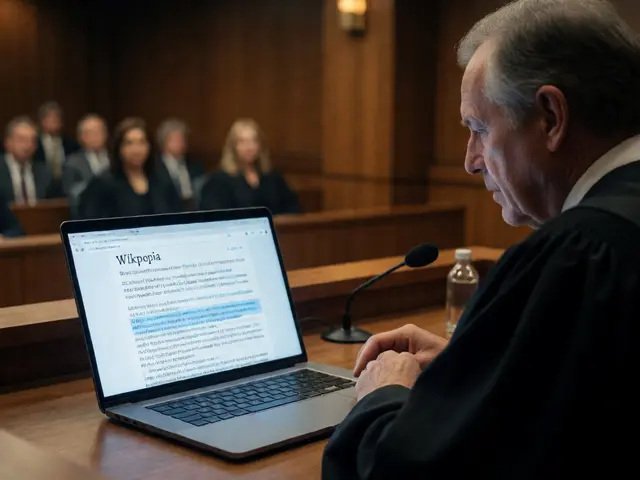
Ever tried to edit a Wikipedia article about Indian history and found yourself fighting with another editor over the spelling of a name or the date of a battle? You aren't alone. That friction is exactly why WikiProject India exists. It is a group of volunteers who work together to make sure articles about India, Pakistan, Bangladesh, Sri Lanka, Nepal, Bhutan, and the Maldives are accurate, consistent, and well-sourced. Without this coordination, you might end up with three different versions of the same fact across related pages, which confuses readers and hurts the encyclopedia's credibility.
The core job here isn't just writing new articles. It's maintaining quality. Think of it as a quality control team for a specific region. They set standards for how we describe things like "Hindi" vs. "Hindustani," how we handle transliteration of names from Sanskrit or Urdu, and how we verify claims using reliable sources rather than personal opinion. If you want your edits to stick and be respected by the community, understanding how this project operates is your best move.
Why Coordination Matters for Subcontinent Topics
The Indian subcontinent is massive in terms of cultural, linguistic, and political complexity. A single topic, like the Partition of 1947, involves multiple nations, languages, and historical perspectives. Without a central coordinating body, editors often default to their own national bias or limited source pool. This leads to what editors call "edit wars."
Transliteration standards are a prime example of where coordination saves time. In South Asian languages, the same sound can be written differently in English depending on the system used (IAST, Harvard-Kyoto, or popular usage). WikiProject India helps standardize these so that "Ashoka" doesn't appear as "Asoka" in one article and "Ashok" in another. Consistency builds trust. When readers see uniform formatting, they assume the content has been reviewed by experts.
Beyond spelling, there is the issue of neutrality. The subcontinent has complex geopolitical relationships. Articles about border disputes, religious demographics, or colonial history require careful wording to remain neutral. The project provides guidelines that help editors present facts without injecting editorial voice. This reduces the likelihood of reverts and keeps the focus on content improvement rather than interpersonal conflict.
How the Project Structure Works
You don't need to be an admin to participate. WikiProject India operates through talk pages and assessment systems. Every major article related to the region has a banner at the top linking to the project. This banner indicates the article's current quality rating and importance level.
- Assessment: Editors rate articles based on quality (Stub, Start, C, B, GA, FA) and importance (Low, Mid, High, Top). This tells you where the gaps are. A "Top Importance" article rated as a "Start" class is a priority target for improvement.
- Tasks: The project maintains task lists for specific needs, such as finding better images, verifying citations, or expanding sections on underrepresented topics like Northeast India or tribal cultures.
- Discussion: Talk pages serve as the meeting place. Before making controversial changes, experienced editors suggest discussing them on the project's talk page to reach consensus.
This structure ensures that no single person dictates the narrative. Instead, decisions emerge from discussion among those who have demonstrated expertise in the field. It’s a democratic process, but one guided by established norms.

Key Challenges and How to Navigate Them
If you are new to editing regional content, you will likely face three main hurdles: sourcing, neutrality, and scope creep.
Sourcing is tricky. Many local newspapers or books are not digitized or available online. Relying solely on web sources can lead to weak references. The project encourages the use of academic journals, official government records, and reputable international news outlets. If you cite a local blog post, expect scrutiny. Always prefer primary sources or peer-reviewed secondary sources when possible.
Neutrality debates are common. For instance, whether to list a city as part of a specific state or union territory can spark debate if the administrative status is in flux. Check recent legal rulings or census data before making changes. If unsure, add a note in the talk page asking for input rather than forcing the change.
Scope creep happens. An article about a cricket player shouldn't turn into a biography of their family unless relevant. Keep the focus tight. If you find yourself adding too much background context, consider splitting it into a separate article or moving it to the introduction only if it directly impacts the subject's significance.
| Scenario | Risk | Recommended Action |
|---|---|---|
| Changing name spellings | Inconsistency with other articles | Check existing convention; discuss on talk page if changing standard |
| Adding new statistics | Outdated or unsourced data | Cite latest census or official report; include year of data |
| Expanding history section | Biased narrative | Use multiple sources from different regions; maintain neutral tone |
| Merging small articles | Loss of unique detail | Ensure all unique info is preserved; check for orphaned references |
Practical Steps to Contribute Effectively
You don't need to rewrite entire encyclopedias to make a difference. Small, precise improvements are highly valued. Here is how you can start contributing without getting overwhelmed.
- Pick a specific gap. Look for articles marked as "Stubs" or "Start" class. These are short and lack depth. Adding a verified paragraph about economic contributions or cultural festivals can significantly improve them.
- Fix citations. Many articles have broken links or missing dates. Updating these ensures the information remains verifiable. It’s low-effort, high-impact work.
- Improve images. Free-use images of landmarks or people are scarce. If you have original photos that meet copyright requirements, uploading them adds visual value and context.
- Participate in discussions. Read the talk pages of major articles. Even if you don’t edit, offering constructive feedback helps build community goodwill and improves the final output.
Remember, the goal is not to win arguments but to create the most accurate picture possible. When you approach editing with curiosity rather than conviction, you’ll find fewer conflicts and more satisfaction in the results.
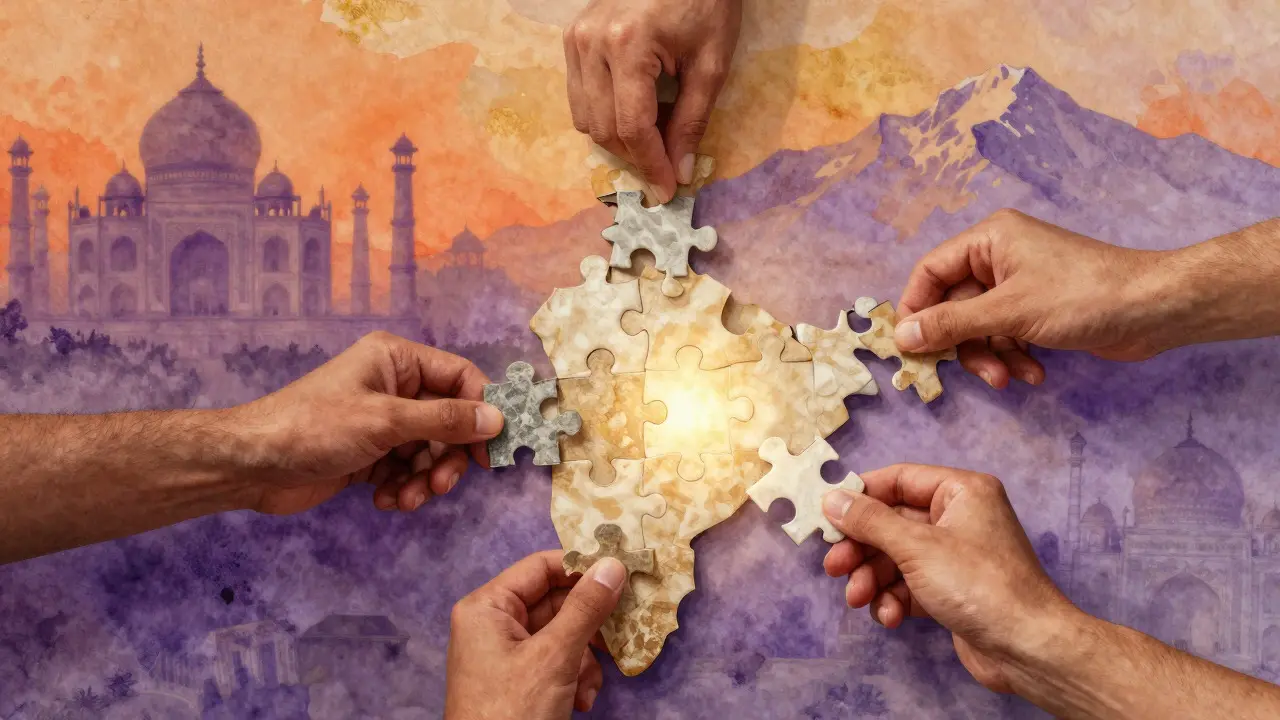
Understanding Quality Ratings
The rating system might look intimidating at first, but it’s straightforward. It serves as a roadmap for where effort is needed most.
Stub: Less than 500 words. Barely covers the basics. Start: Basic structure, but lacks depth or sources. C-Class: Decent coverage, some minor issues. B-Class: Good coverage, ready for higher review. GA (Good Article): Meets strict criteria for accuracy and style. FA (Featured Article): The gold standard. Exhaustive, perfectly sourced, and beautifully written.
Importance ratings indicate how central the topic is to the overall understanding of the region. A "Top Importance" article is one that every reader interested in the subcontinent should know about. Combining these two metrics helps you prioritize. A Top Importance Stub is a critical area for growth. A Low Importance FA is already excellent and may not need further attention.
Frequently Asked Questions
Do I need special permissions to join WikiProject India?
No. Any registered Wikipedia user can contribute. You simply need to follow the project's guidelines and engage constructively on talk pages. There is no formal application process.
What is the difference between WikiProject India and other regional projects?
While similar in structure, each project focuses on its specific geographic or cultural area. WikiProject India specifically handles topics related to the Indian subcontinent, including distinct policies on transliteration and neutrality relevant to that region's history and politics.
How do I resolve an edit war on a subcontinent topic?
Stop editing immediately and move the discussion to the talk page. Present your sources clearly. Seek consensus from other editors. If unresolved, request mediation from a neutral administrator or project member. Avoid reverting repeatedly, as this can lead to temporary blocks.
Are local sources considered reliable for Wikipedia articles?
Yes, if they are reputable. Established local newspapers, academic publications, and official government records are acceptable. However, they must be independent of the subject being covered. Blogs and self-published works generally require caution and corroboration.
How long does it take to get an article rated as Featured?
It varies widely. Some articles achieve Featured status within months of intensive work, while others take years due to complex sourcing or ongoing debates. The key is consistent, high-quality contribution over time rather than rushing the process.