The Uneven Landscape of Global Knowledge
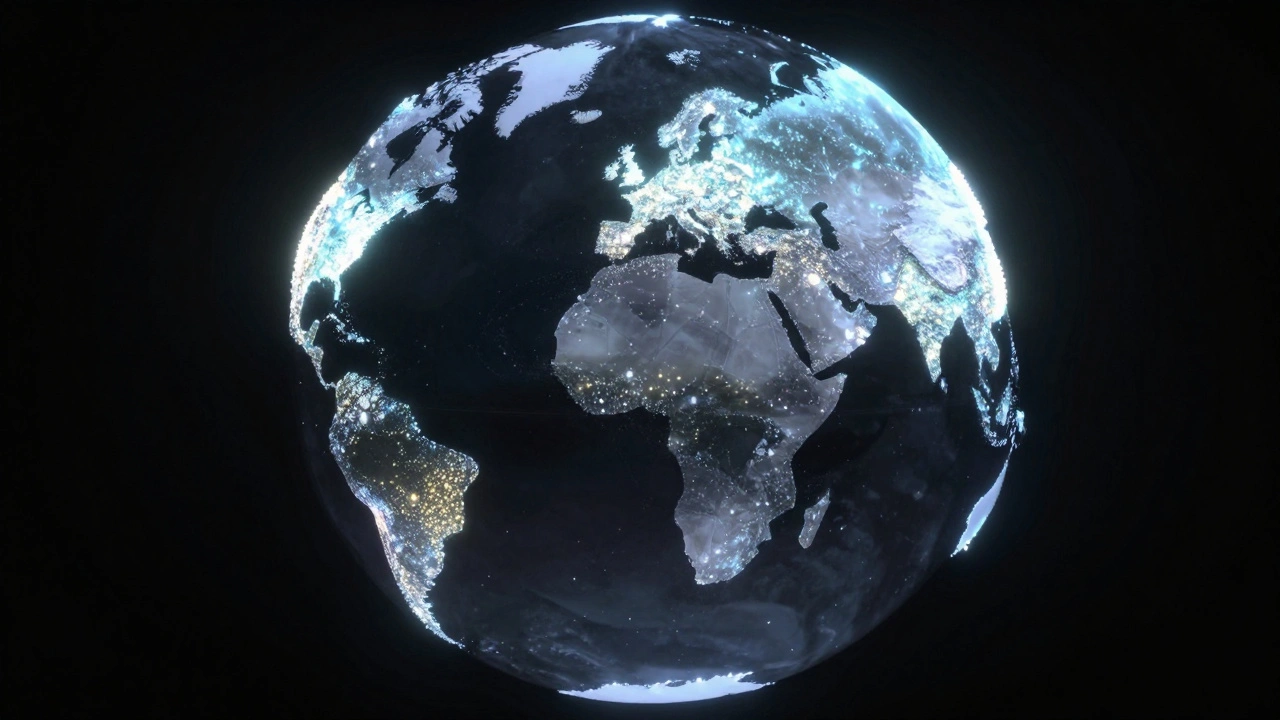
When you think about Wikipedia, the free online encyclopedia that anyone can edit, it’s easy to assume that knowledge is growing evenly across the globe. You might imagine that as more people get internet access, new articles appear at a steady rate everywhere. But if you look at the raw data, that assumption falls apart. The growth of Wikipedia articles varies wildly depending on where you are and which language edition you’re looking at. Some regions see explosive expansion, while others stagnate or even shrink. Understanding these regional differences isn’t just an academic exercise; it reveals how digital infrastructure, cultural priorities, and community dynamics shape what we know.
This analysis looks at empirical results from recent years to show exactly where and why these disparities exist. We’ll break down the numbers behind article creation, examine the role of technology and demographics, and explore what this means for the future of open knowledge. If you’ve ever wondered why your local history has fewer entries than a celebrity’s biography in another country, the answers lie in these structural imbalances.
Quick Summary / Key Takeaways
- English Wikipedia dominates in total volume but shows slowing growth rates compared to smaller language editions.
- Language barriers and translation tools significantly impact article creation speed in non-English regions.
- Demographic factors like internet penetration and mobile usage drive regional growth patterns.
- Community engagement levels vary widely, with some regions having highly active editor bases and others relying on bots.
- Empirical data suggests that regional growth is not uniform, highlighting gaps in global knowledge coverage.
Why Regional Growth Patterns Matter
To understand the current state of Wikipedia, we need to look beyond the headline number of articles. The platform hosts over 60 million articles across more than 300 language editions. However, the distribution is heavily skewed. The English edition alone accounts for nearly half of all articles. When we analyze growth trends regionally, we see that this dominance is both a strength and a weakness. It provides a vast repository of information but also creates a bottleneck where most new content is filtered through an Anglo-centric lens.
Empirical studies show that growth rates are not static. In the early 2000s, Wikipedia experienced exponential growth globally. Today, that curve has flattened in many major languages. This shift forces us to ask: who is creating content now? And why are certain regions lagging behind? The answer involves a mix of technological access, linguistic complexity, and social organization within the Wikimedia community.
| Language Edition | Total Articles (Millions) | Avg. Annual Growth % | Primary Driver |
|---|---|---|---|
| English | 6.8 | 2.1% | Global interest topics |
| German | 2.9 | 1.8% | Cultural heritage projects |
| French | 2.7 | 2.5% | Institutional partnerships |
| Spanish | 1.9 | 4.2% | Mobile-first editors |
| Arabic | 1.1 | 5.7% | Youth demographic surge |
As shown in the table above, while English remains the largest, its growth rate is slower than many other languages. Spanish and Arabic editions are seeing higher percentage growth, driven by different factors such as mobile adoption and younger populations. This data challenges the notion that larger communities always grow faster. Instead, it suggests that specific regional conditions can accelerate content creation.
The Role of Technology and Access
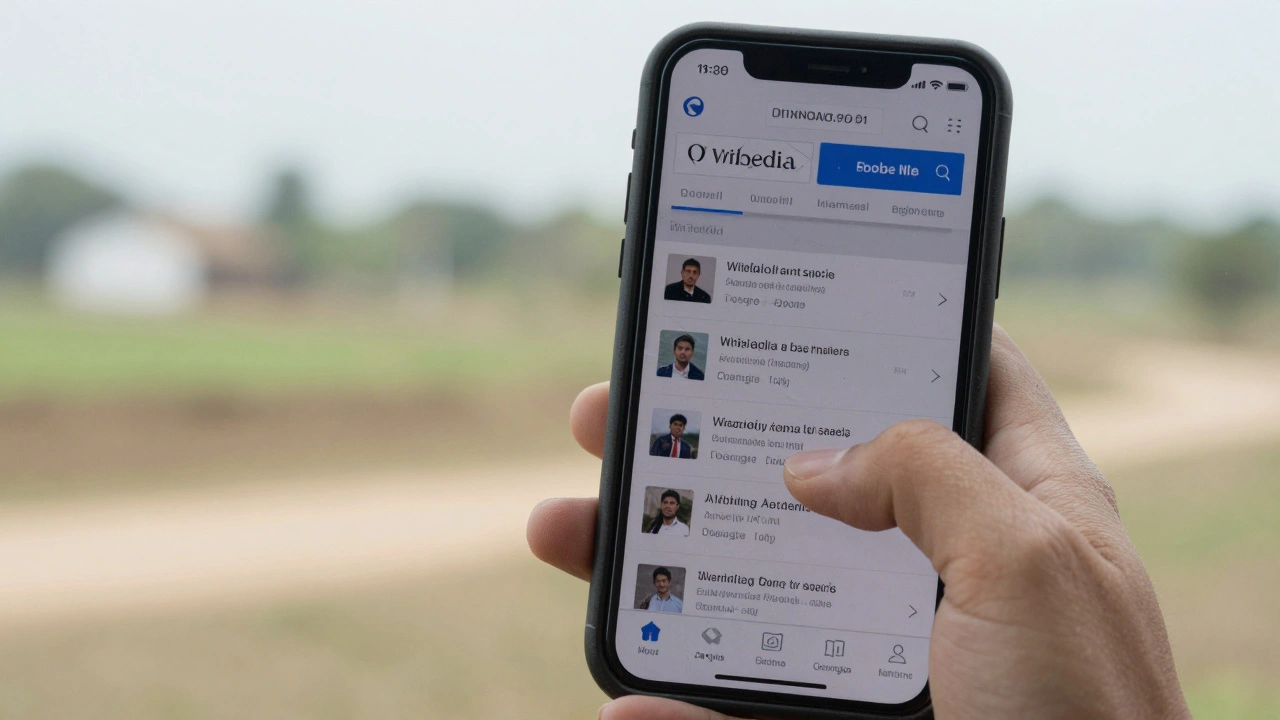
One of the biggest drivers of regional differences is technology. Not everyone accesses Wikipedia the same way. In North America and Europe, desktop usage still plays a significant role, especially among long-time editors. But in parts of Asia, Africa, and Latin America, mobile devices are the primary gateway. This shift has profound implications for how articles are created.
Mobile editing is harder than desktop editing. The interface is less intuitive, and typing complex citations on a smartphone screen is cumbersome. As a result, regions with high mobile penetration often see lower quality contributions initially. However, tools like Wikidata, a structured knowledge base that powers infoboxes on Wikipedia have helped mitigate this by allowing users to contribute data rather than full prose. This has boosted growth in regions where writing long articles is difficult but adding facts is easier.
Internet infrastructure also plays a critical role. Areas with slow or expensive internet connections struggle to support large-scale editing campaigns. For example, in some rural parts of India or Sub-Saharan Africa, connectivity issues limit the ability of local experts to contribute their knowledge. This creates a feedback loop where underrepresented regions remain underrepresented because the technical barriers to entry are too high.
Linguistic Barriers and Translation Tools
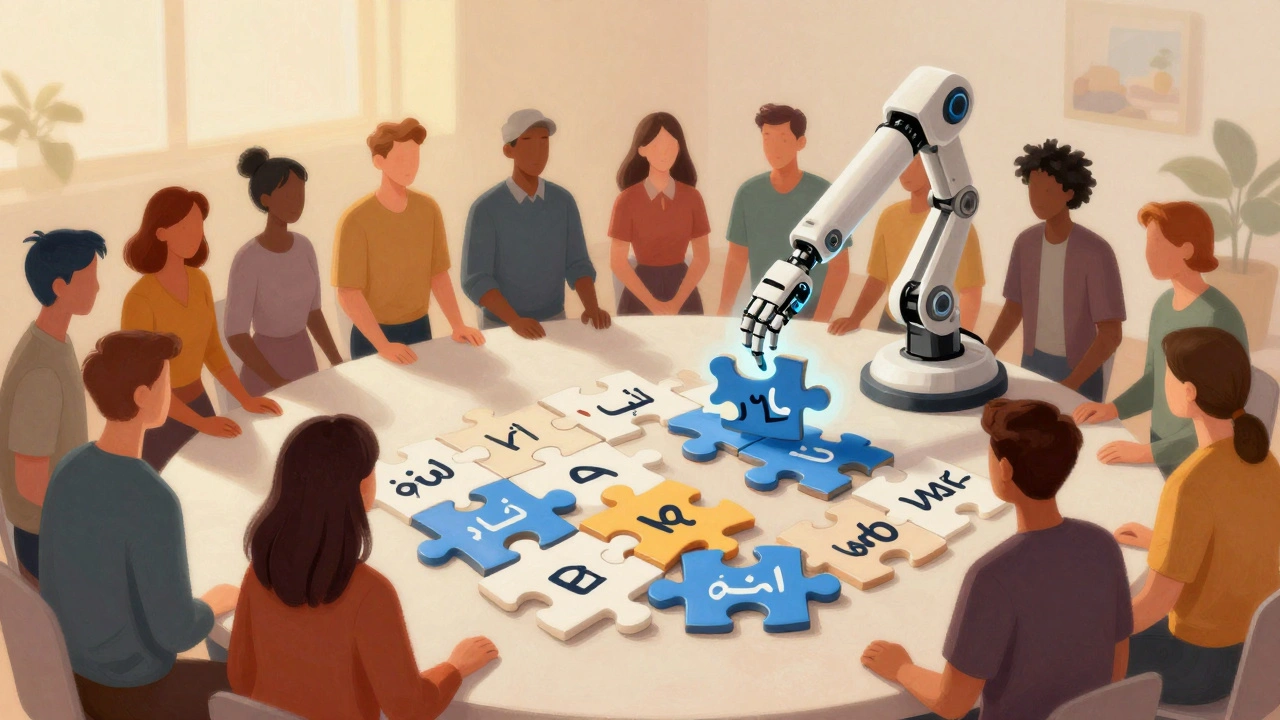
Language is perhaps the most significant factor in regional growth differences. Writing in one’s native tongue is natural, but translating existing knowledge into another language requires effort. Many smaller language editions rely heavily on machine translation to keep up with larger ones. While this speeds up article creation, it can lead to errors and inconsistencies.
For instance, the Machine Translation, technology that converts text from one language to another automatically tools used by Wikipedia volunteers have improved dramatically in recent years. Yet, they still struggle with nuanced cultural references and idiomatic expressions. This means that articles translated from English to, say, Swahili or Bengali may lose context or accuracy. Editors in these regions must spend extra time correcting these translations, which slows down overall growth.
Moreover, some languages lack standardized digital resources. Dictionaries, spell-checkers, and grammar guides are essential for efficient editing. Without them, contributors face a steeper learning curve. This disproportionately affects low-resource languages, limiting their potential for rapid expansion despite strong community interest.
Community Dynamics and Editor Motivation
Beyond technology and language, human behavior drives Wikipedia’s growth. The volunteer editor base is diverse, but not uniformly distributed. In some countries, there are dedicated teams working on specific topics, such as local history or scientific research. These organized efforts lead to bursts of activity and sustained growth.
In contrast, other regions rely on sporadic individual contributions. A single passionate editor might create dozens of articles about their hometown, but once they move on, the momentum dies. This pattern is common in areas without established Wikimedia chapters or user groups. Building a sustainable community takes time, resources, and leadership-elements that are unevenly present across the globe.
Motivation also varies. In some cultures, contributing to public knowledge is seen as a civic duty. In others, it’s viewed with skepticism due to concerns about privacy or misinformation. These attitudes influence participation rates and, consequently, article growth. Understanding these social nuances is key to fostering healthier communities worldwide.
Data-Driven Insights: What the Numbers Tell Us
Let’s dig deeper into the empirical results. Researchers have analyzed millions of edits to identify patterns in regional growth. One striking finding is that article creation spikes during certain events. Natural disasters, political elections, and sporting events trigger surges in relevant content. For example, after a major earthquake in Japan, Japanese Wikipedia saw a 30% increase in related articles within a week.
Another insight comes from analyzing editor retention. New editors are more likely to stay active if they receive positive feedback early on. Regions with robust mentorship programs, such as Germany and France, report higher retention rates. Conversely, areas lacking support structures see higher dropout rates, leading to stagnant growth.
Geographic clustering is also evident. Cities tend to produce more content than rural areas, reflecting better internet access and higher concentrations of educated individuals. However, initiatives aimed at bridging this gap, such as offline editing workshops, have shown promise in expanding reach to underserved communities.
Challenges Facing Underrepresented Regions
Despite progress, several challenges persist for underrepresented regions. First, there’s the issue of relevance. Topics that matter locally may not resonate globally, making it harder to attract international attention or funding. Second, copyright laws vary by country, complicating the use of images and media. In some jurisdictions, strict regulations prevent the inclusion of photos of public buildings or artworks, hindering visual enrichment of articles.
Third, gender imbalance remains a problem. Women make up a small percentage of Wikipedia editors worldwide, and this disparity is even more pronounced in certain regions. Efforts to encourage female participation have yielded mixed results, requiring tailored approaches based on local contexts.
Finally, algorithmic bias poses a risk. Search engines and recommendation systems often prioritize popular articles, reinforcing existing inequalities. Less-known topics struggle to gain visibility, further discouraging new contributors. Addressing these systemic issues requires coordinated action from tech companies, policymakers, and the Wikimedia community itself.
Future Directions: Bridging the Gap
So, what can be done to address these regional differences? Several strategies show promise. Investing in local language technologies, such as improved spell-checkers and dictionaries, can lower barriers for non-English speakers. Partnering with educational institutions to integrate Wikipedia into curricula can foster a new generation of editors.
Additionally, leveraging artificial intelligence could help automate repetitive tasks, freeing up human editors to focus on creative work. AI-powered summarization tools, for instance, could assist in drafting initial versions of articles, which humans then refine. This hybrid approach combines efficiency with quality control.
Lastly, promoting cross-cultural collaboration can enrich content. Encouraging editors from different regions to work together on shared projects fosters mutual understanding and breaks down silos. Initiatives like Wiki Loves Earth demonstrate how global themes can unite diverse communities around a common goal.
Why does English Wikipedia grow slower than smaller language editions?
English Wikipedia has reached a point of diminishing returns, where most notable topics already have articles. Smaller editions are catching up by focusing on local interests and leveraging modern tools like Wikidata, leading to higher relative growth rates.
How do mobile devices affect Wikipedia article creation?
Mobile devices make editing more challenging due to limited screen space and input methods. However, they enable broader participation in regions where smartphones are the primary internet access point, driving growth in those areas despite lower initial quality.
What role does machine translation play in regional growth?
Machine translation accelerates article creation by converting content from dominant languages into local ones. While it introduces errors, it allows smaller editions to expand rapidly, with human editors later refining the material.
Are there any successful strategies for increasing editor retention?
Yes, providing early positive feedback and mentorship significantly improves retention. Communities with structured onboarding programs, such as those in Germany and France, report higher long-term engagement among new editors.
How can AI help reduce regional disparities in Wikipedia?
AI can automate routine tasks like summarizing sources or generating drafts, reducing the workload for human editors. This enables contributors in resource-constrained regions to produce more content with less effort, leveling the playing field.