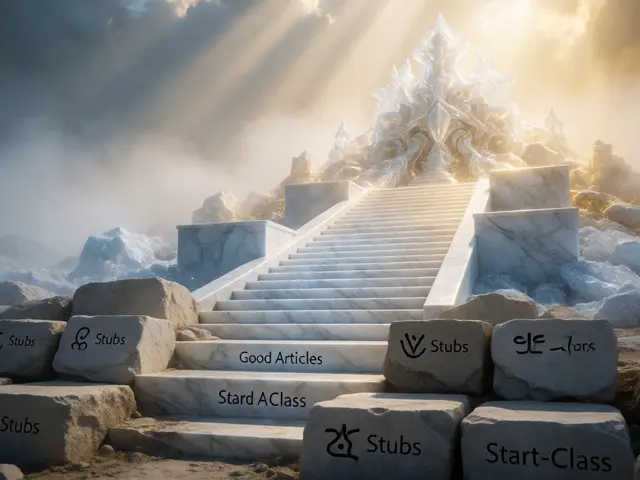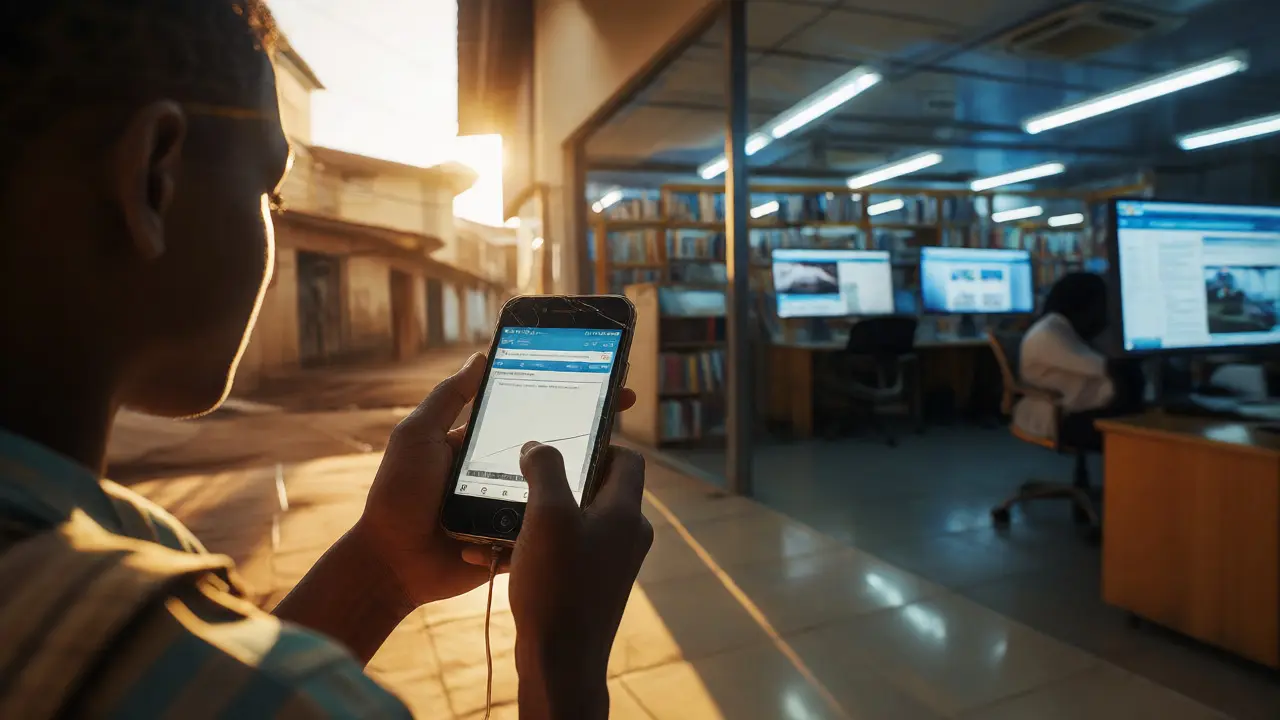
You might think Wikipedia is pretty much finished. After all, if you search for "photosynthesis" or "World War II," the answers are right there, detailed and cited. But zoom out from your screen, and the picture changes drastically. In large parts of the Global South, indigenous communities, and non-English speaking regions, that same search yields empty pages or shallow stubs. This isn't just a formatting issue; it's a representation crisis. The Wikimedia Foundation (WMF) has recognized this imbalance as a critical failure in their mission to share free knowledge with everyone. Their response? A strategic pivot toward knowledge equity. By 2030, they aren't just aiming for more articles; they're aiming for fairer access, better tools for underrepresented editors, and a platform that doesn't privilege Western perspectives by default.
What Does Knowledge Equity Actually Mean?
Before we get into the specific goals, let's clear up the jargon. "Equity" gets thrown around a lot, but in the context of the WMF strategy, it has a concrete definition. It’s not about treating everyone exactly the same (that’s equality). It’s about giving different groups what they need to reach an equal outcome. For the Wikimedia movement, this means recognizing that a student in Lagos faces different barriers than a professor in London. Maybe it’s bandwidth costs, maybe it’s lack of reliable electricity, or maybe it’s simply that the editing interface assumes you know English technical terms.
The core problem the WMF is tackling is the "content gap." Historically, Wikipedia grew organically, driven by volunteers who happened to have internet access and leisure time-often correlating with wealth and location in North America and Europe. This created a feedback loop: more content attracted more readers from those regions, which attracted more editors from those regions. Meanwhile, topics like African history, Southeast Asian biodiversity, or Indigenous languages remained thin. The 2030 strategy aims to break this loop by shifting resources and attention toward these underserved areas.
The Three Pillars of the 2030 Strategy
The Wikimedia Foundation’s roadmap to 2030 rests on three main pillars: Trust, Collaboration, and Equity. While Trust deals with misinformation and Collaboration focuses on community health, Equity is the engine driving structural change. Here is how they plan to operationalize it:
- Infrastructure Investment: Moving beyond just hosting servers, WMF is investing in offline access solutions and mobile-first experiences. Why? Because in many emerging markets, smartphones are the primary, and often only, gateway to the internet. If Wikipedia is too heavy or data-intensive for a low-cost phone, it becomes irrelevant.
- Tooling for New Editors: Editing Wikipedia can be intimidating. The current interface is powerful but complex. WMF is developing simplified editing tools, visual editors that work better on small screens, and translation interfaces that allow people to contribute in their native languages without needing to master English syntax first.
- Funding and Support: Grants and fellowships are being redirected. Instead of funding projects that add another thousand biographies of European monarchs, funds are flowing to initiatives that document local histories, oral traditions, and regional scientific achievements.
Tackling the Language Barrier
Language is the biggest gatekeeper on Wikipedia. English accounts for roughly 18% of all articles, despite English speakers making up a smaller fraction of the global population. Other major languages like German, French, and Spanish dominate the next tier. But what about Swahili? What about Quechua or Yoruba?
The WMF 2030 goal isn't to force everyone to edit in English. It’s to make multilingualism seamless. They are expanding support for over 300 languages. This involves more than just translating text. It requires handling different scripts (like Arabic or Devanagari) correctly, supporting right-to-left reading directions, and ensuring that citation formats work across cultural norms. For example, in some cultures, oral sources are valid historical records. Standard Wikipedia citation styles, rooted in academic print culture, often reject these. The new guidelines aim to validate diverse forms of knowledge production.
| Feature | Traditional Approach | Equity-Focused Approach (2030) |
|---|---|---|
| Primary Source Preference | Academic journals, books, mainstream news | Includes oral histories, local archives, community reports |
| Editing Interface | Desktop-centric, code-heavy | Mobile-first, visual, simplified |
| Content Focus | Global/Western canon | Local/regional significance + Global context |
| Community Support | Largely volunteer-driven mentorship | Funded programs, dedicated staff for outreach |
| Language Priority | High-resource languages (English, German) | Under-resourced and endangered languages |
Who Is Doing the Work? The Changing Face of Contributors
If you look at the demographics of active Wikipedia editors, the skew is obvious. Most are male, most live in developed nations, and most are white. This homogeneity shapes what gets written. If everyone writing about "urban planning" comes from similar backgrounds, you’ll miss insights from informal settlements in Mumbai or favelas in Rio.
The WMF knows they can’t mandate diversity, but they can remove friction. Programs like the "Women in Red" project have already made strides in closing the gender gap in biographies. Now, the focus is broadening. Partnerships with universities in Africa, Latin America, and Asia are bringing students into the ecosystem. These aren't just one-off assignments; they’re integrated curricula where creating a Wikipedia article counts as academic credit. This brings fresh eyes and local expertise to the platform.
Moreover, the foundation is hiring staff specifically tasked with community engagement in underrepresented regions. These aren't remote managers in San Francisco; they are local organizers who speak the language, understand the cultural nuances, and can troubleshoot issues that a centralized team would miss. This decentralization is key to sustainability. You can’t parachute in, dump content, and leave. You need roots.
Technology as an Enabler, Not a Gatekeeper
People often assume technology solves everything. In reality, bad tech design creates exclusion. Consider CAPTCHAs. They seem simple, but for someone with poor vision, limited literacy, or a slow connection, they can be a barrier. Or consider the sheer size of the Wikipedia app. On a $50 smartphone with limited storage, a bloated app is unusable.
The WMF’s engineering teams are prioritizing performance optimization for low-bandwidth environments. They are also exploring AI-assisted tools-not to replace human editors, but to help them. Imagine an AI that suggests citations for a paragraph written in Hausa, pulling from local digital libraries. Or a tool that flags potential bias in tone before you hit publish. These tools lower the cognitive load, allowing contributors to focus on accuracy and relevance rather than formatting rules.
However, there’s a risk here. If AI models are trained primarily on English-language data, they might impose Western biases on other languages. The WMF is aware of this and is working to ensure that algorithmic recommendations respect local contexts. It’s a delicate balance between automation and authenticity.
Measuring Success: Beyond Article Counts
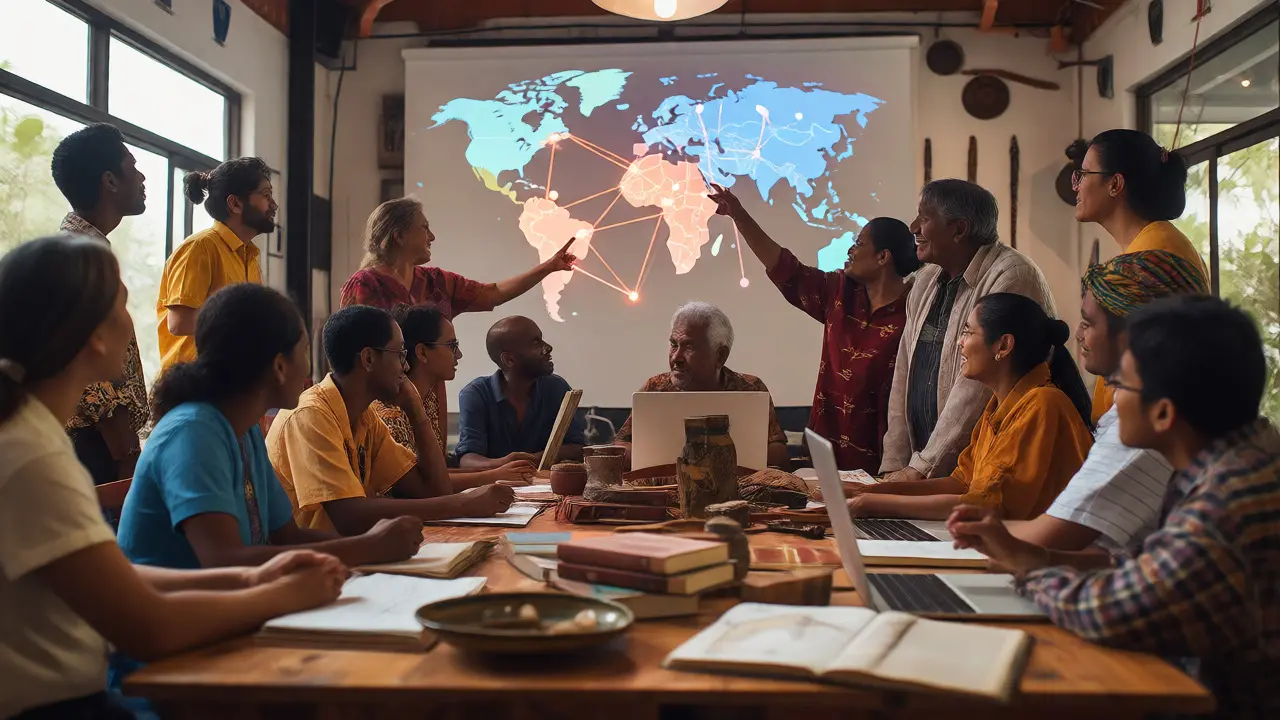
How do you know if you’re achieving equity? Counting articles is a lazy metric. Adding 10,000 stubs about obscure towns doesn’t mean much if no one reads them or if they lack depth. The WMF is moving toward more nuanced metrics.
They are tracking "editor retention" in new communities. Are the first-time editors from Nigeria still contributing six months later? If not, why? Was the experience hostile? Was the tool confusing? They are also measuring "readership diversity." Are people in rural India accessing medical information on Wikipedia? If yes, that’s impact. If they rely solely on Facebook because Wikipedia loads too slowly, that’s a failure of infrastructure.
Another key indicator is the "citation gap." Researchers have noted that articles about women and minorities often have fewer citations. Closing this gap requires not just adding sources, but building the digital infrastructure to preserve and link to those sources. This involves digitizing local archives and creating stable URLs for materials that might otherwise disappear.
Challenges and Criticisms
No strategy is without its critics. Some within the community worry that focusing on equity dilutes quality standards. They argue that strict adherence to established notability guidelines ensures reliability, and loosening them for the sake of inclusion could introduce noise. The WMF counters that "notability" itself is a biased concept. Who decides what is notable? Often, it’s institutions that have historically excluded certain voices.
There’s also the challenge of funding. The Wikimedia Foundation relies heavily on donations, mostly from Western countries. Shifting priorities to the Global South requires convincing donors that their money will go further when spent on infrastructure and training in emerging markets. It’s a harder sell than funding a flashy new feature for the English site.
Finally, there’s the political dimension. Knowledge is power. When you elevate local narratives, you sometimes challenge national or colonial histories. Editors in some regions face pushback from authorities who prefer a single, state-sanctioned version of events. The WMF must navigate these tensions carefully, maintaining neutrality while supporting marginalized voices.
What This Means for You
You don’t have to be a developer or a grant writer to participate. If you’re a reader, notice what’s missing. Search for a topic from your own community or heritage. Is it there? Is it accurate? If not, you can start small. Fix a typo. Add a source. Translate a paragraph.
If you’re an educator, consider assigning Wikipedia editing as a way to teach digital literacy and civic engagement. Students learn to evaluate sources, write neutrally, and collaborate online. Plus, they leave a lasting mark on public knowledge.
The 2030 vision isn’t just about Wikipedia becoming bigger. It’s about it becoming more honest. A truly universal encyclopedia shouldn’t look like a mirror reflecting only one corner of the world. It should be a window into many. The initiatives are underway, the tools are improving, and the community is expanding. The question now is whether we, as users and contributors, will engage with the parts of the world we’ve previously ignored.
What is the main goal of the WMF Knowledge Equity initiative?
The main goal is to reduce systemic biases in Wikipedia by increasing representation of underrepresented communities, languages, and geographies. This involves improving infrastructure for low-bandwidth users, simplifying editing tools for non-experts, and redirecting funding toward projects that document local and indigenous knowledge.
Why is mobile-first important for knowledge equity?
In many parts of the Global South, smartphones are the primary device for internet access. Desktop-centric websites and heavy applications exclude users with limited data plans or older devices. By optimizing for mobile, the Wikimedia Foundation ensures that knowledge is accessible to billions of people who never use a traditional computer.
How does the WMF address language barriers?
The WMF supports over 300 language versions of Wikipedia. They are developing better translation tools, improving support for non-Latin scripts, and creating interfaces that allow users to contribute in their native languages without needing advanced English skills. They also validate diverse citation styles, including oral histories, which are common in many cultures.
Is Wikipedia biased against non-Western knowledge?
Historically, yes. Wikipedia's growth was driven largely by Western, educated, English-speaking volunteers. This resulted in a dominance of Western perspectives and sources. The 2030 strategy explicitly aims to correct this by valuing local sources, supporting non-Western editors, and re-evaluating notability standards to include culturally significant topics that may not fit traditional academic molds.
Can I contribute even if I'm not an expert?
Absolutely. You don't need a PhD to edit Wikipedia. Simple tasks like fixing grammar, adding hyperlinks, or uploading images are valuable. For knowledge equity, sharing local knowledge-such as details about a local landmark, festival, or historical figure-is particularly impactful. The community provides guidelines and support to help new editors learn as they go.