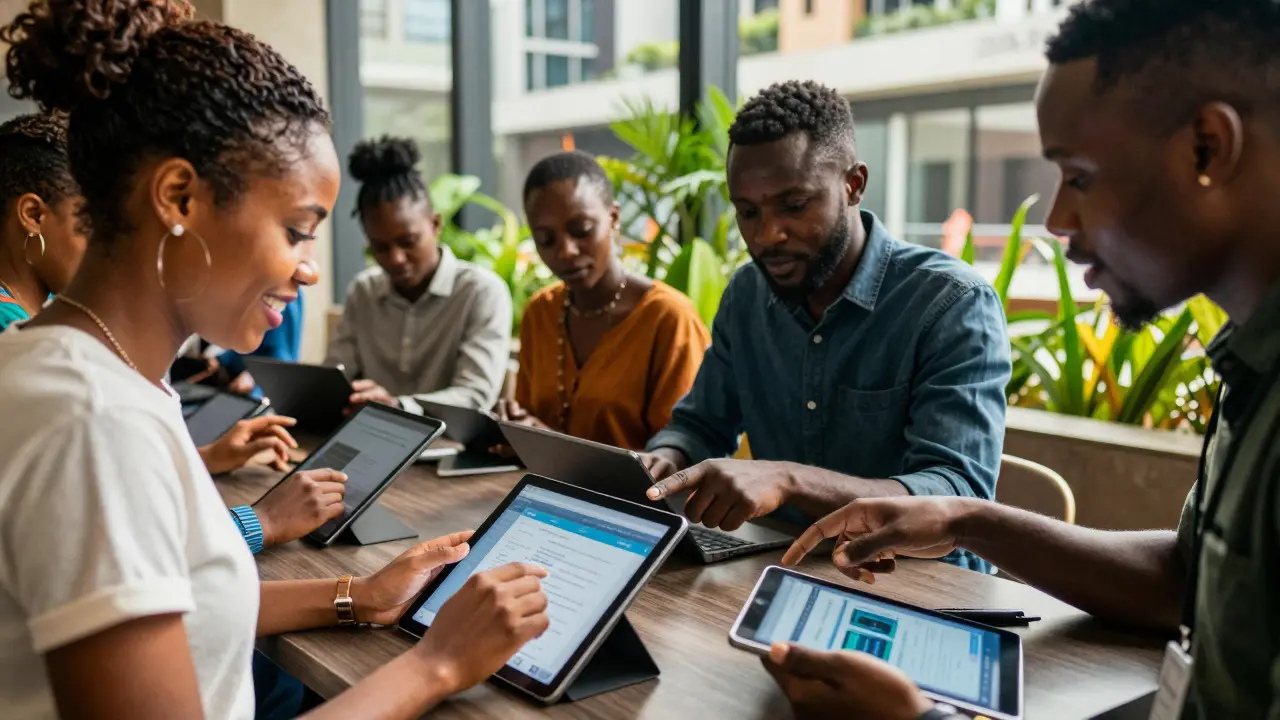
For decades, the internet was a monolingual club. If you didn't speak English, French, or Spanish, finding reliable information online was a struggle. But that is changing fast. Across the continent, editors are building robust versions of African language Wikipedias is a collection of collaborative encyclopedic projects in local African languages that aim to preserve heritage and provide accessible knowledge. These aren't just small hobby projects; they are vital infrastructure for digital equity. From Yoruba in Nigeria to Swahili in East Africa, these platforms are becoming primary sources of truth for millions who never learned colonial languages.
The momentum is undeniable. The number of active editors in non-English African languages has doubled in the last five years. This surge isn't accidental. It’s driven by mobile-first adoption, better translation tools, and a young demographic demanding content in their mother tongue. Understanding this shift helps us see where the future of global information lies.
Key Takeaways
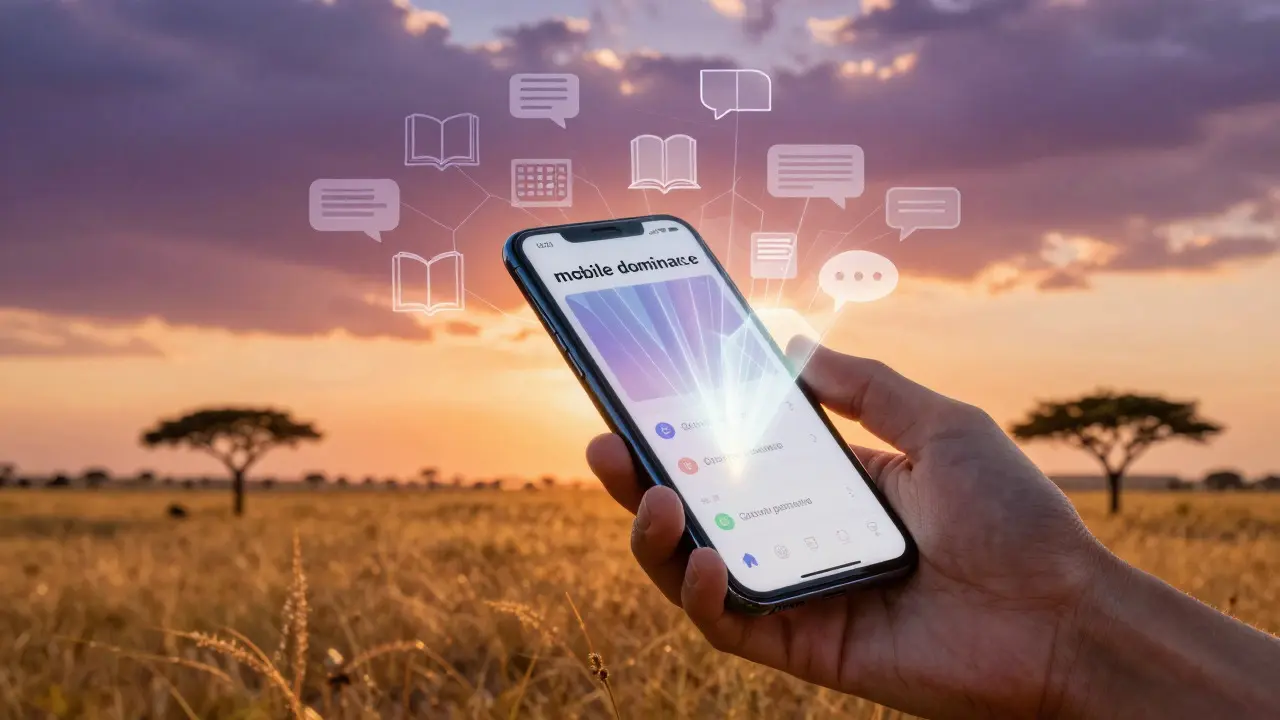
- Mobile dominance: Over 80% of African Wikipedia users access content via smartphones, making mobile-friendly editing essential.
- Growth hotspots: Swahili, Hausa, and Yoruba editions have seen the highest percentage increases in article count since 2020.
- Community-driven curation: Local volunteers often outperform automated bots in accuracy and cultural context.
- Interlanguage links: Cross-referencing between African language editions is improving, creating a cohesive pan-African knowledge network.
The Current Landscape of African Language Editions
To understand the growth, we need to look at the specific players. The landscape is diverse, with some languages having mature ecosystems and others just starting to find their footing. The most significant contributors are not just from West Africa but increasingly from East and Southern regions.
| Language Edition | Approx. Articles | Active Editors (Monthly) | Primary Region | Growth Driver |
|---|---|---|---|---|
| Swahili | 150,000+ | 3,500 | East Africa | Lingua franca status & mobile data plans |
| Hausa | 90,000+ | 2,100 | West Africa | Large speaker base & religious texts digitization |
| Yoruba | 75,000+ | 1,800 | Nigeria/Benin | Cultural pride initiatives & university partnerships |
| Zulu | 40,000+ | 950 | Southern Africa | Government support for indigenous languages |
| Amharic | 35,000+ | 800 | Ethiopia | High literacy rates in urban centers |
Notice the trend? It’s no longer just about the largest populations. It’s about connectivity and intent. Swahili, for instance, benefits from being a trade language across borders, which means its content has immediate utility for commerce and travel. In contrast, Amharic’s growth is tied closely to Ethiopia’s high urban literacy rate, allowing for deeper, more academic contributions.
Why Mobile Access Is the Game Changer
In many parts of Africa, the desktop computer is a luxury. The smartphone is the gateway. This reality dictates how African language Wikipedias evolve. Unlike European editions that might prioritize complex templates or heavy graphics, African editions are optimizing for low-bandwidth environments.
This means lighter pages, faster load times, and intuitive touch interfaces. The Wikimedia Foundation has invested heavily in this area, developing tools specifically for offline reading and syncing when connections are available. For an editor in rural Kenya or Ghana, this makes a massive difference. They can contribute during downtime and sync later. This asynchronous workflow encourages participation from people who don’t have stable internet all day.
Furthermore, the rise of affordable data bundles has removed the biggest barrier to entry. When data costs drop below $1 per gigabyte, the economic argument for using the web in your native language becomes strong. Why pay for data to read English news when you can read Swahili summaries on Wikipedia for free?
Challenges in Content Creation and Quality Control
Growth brings complexity. One of the biggest hurdles is maintaining consistency. With thousands of volunteers contributing, ensuring factual accuracy and neutral point of view is tough. This is especially true for topics like history or politics, where perspectives can vary widely even within a single country.
Another challenge is the lack of standardized orthography in some languages. While major languages like Zulu or Yoruba have well-established writing systems, smaller languages may still be debating spelling conventions. This leads to fragmented content, where two articles about the same person might use different spellings for their name, making search difficult.
Then there’s the issue of sourcing. Western academia often treats oral traditions as less credible than written documents. However, for African history, oral tradition is a primary source. Editors are learning to cite these sources properly, creating new citation standards that respect local epistemologies while meeting global encyclopedia standards.
The Role of Technology and AI Tools
Technology is accelerating this movement in ways we couldn't have predicted a decade ago. Machine translation models trained on African languages are getting better. Tools like Google Translate now handle Swahili and Hausa with reasonable accuracy, lowering the barrier for editors who want to translate existing English articles into their local language.
But it’s not just about translation. Natural Language Processing (NLP) tools are helping with grammar checking and style consistency. Imagine an AI assistant that suggests corrections based on local dialect rules rather than generic English grammar. This kind of tool would empower first-time editors significantly.
Additionally, voice-to-text technology is opening doors for speakers who are comfortable talking but hesitant to type. By recording their thoughts and letting software transcribe them, editors can contribute faster. This is particularly useful for capturing biographical details or historical anecdotes that might otherwise be lost.

Opportunities for Partnerships and Sustainability
For the long-term survival of these projects, community effort alone isn't enough. We need structural support. Universities are stepping up. Many African institutions now offer courses on digital literacy that include Wikipedia editing as a practical assignment. This creates a pipeline of skilled editors who understand both academic rigor and open collaboration.
Corporations are also taking notice. Telecom companies see value in supporting local language content because it drives data usage. Sponsorships for editing contests and workshops are becoming common. These events build community and create friendly competition, which boosts motivation.
There is also a growing opportunity for cross-border collaboration. Pan-African organizations are encouraging editors from neighboring countries to work together. For example, editors from Tanzania, Kenya, and Uganda are collaborating on Swahili content, sharing resources and standardizing terminology. This regional approach strengthens the entire ecosystem.
How You Can Contribute
You don’t need to be a native speaker to help, though it certainly helps. Here are practical ways to get involved:
- Learn the basics: Spend a week familiarizing yourself with the specific edition’s guidelines. Every language version has its own manual of style.
- Start small: Don’t try to write a full biography right away. Fix typos, add references, or translate a short paragraph from another language edition.
- Join a workshop: Look for online or local edit-a-thons. These events provide mentorship and a sense of community.
- Use the talk pages: Before making big changes, discuss them on the article’s talk page. This prevents conflicts and builds consensus.
- Be patient: Some articles may sit unedited for months. That’s normal. Consistency matters more than speed.
Your contribution, no matter how small, adds to the collective intelligence of the project. Every sentence you write makes the web more inclusive.
Frequently Asked Questions
Which African language Wikipedia is the largest?
As of 2026, the Swahili Wikipedia is generally considered the largest in terms of article count and active user base, followed closely by Hausa and Yoruba. However, the gap is narrowing rapidly as other languages gain traction.
Do I need to be fluent to edit an African language Wikipedia?
Ideally, yes. Since the content is for native speakers, fluency ensures accuracy. However, bilingual speakers can contribute by translating from English or French, provided they check their work against local sources. Non-speakers can help with technical formatting, categorization, and interlanguage links.
Are African language Wikipedias reliable sources?
Yes, they follow the same editorial standards as other language editions. Articles require citations, and controversial claims need multiple independent sources. While some areas may have fewer sources than English Wikipedia, the quality control process is identical.
How does mobile access affect editing?
Most editing happens on mobile devices. The interface is optimized for touchscreens, and features like offline caching allow editors to work without constant connectivity. This accessibility is a key driver of growth in regions with intermittent internet access.
What are the main challenges facing these projects?
The primary challenges include maintaining consistent orthography, finding reliable sources for local topics, and sustaining editor engagement over time. Technical barriers like expensive data costs also remain a hurdle for some communities.