Wikipedia isn’t just a website. It’s a living archive built by millions of volunteers - but not everyone contributes equally. The people writing and editing Wikipedia articles are overwhelmingly male, from Western countries, and often self-taught in digital editing. Meanwhile, universities produce thousands of researchers every year who know their subjects inside out - yet most never touch Wikipedia. The gap isn’t just about skills. It’s about trust, recognition, and structure.
Why Academics Don’t Edit Wikipedia
Many professors won’t edit Wikipedia because they don’t see it as legitimate scholarship. Tenure committees don’t count Wikipedia edits as publications. Peer-reviewed journals still hold all the weight. Even when academics know their field is poorly covered on Wikipedia - say, Indigenous medicine or African political history - they assume their work won’t be valued there.
And they’re not wrong. Wikipedia’s culture can feel unwelcoming. New editors get reverted without explanation. Complex academic sources get dismissed as "original research." A 2023 study from the University of Oxford found that 72% of academic authors who tried editing Wikipedia were discouraged within their first month because their edits were flagged, deleted, or met with hostility.
But here’s the flip side: Wikipedia articles on medical topics, climate science, and civil rights history are read by more people than most academic journals. A single Wikipedia page on antibiotic resistance gets over 2 million views per month. That’s more than the total readership of the top 50 medical journals combined.
How Fellowships Are Changing the Game
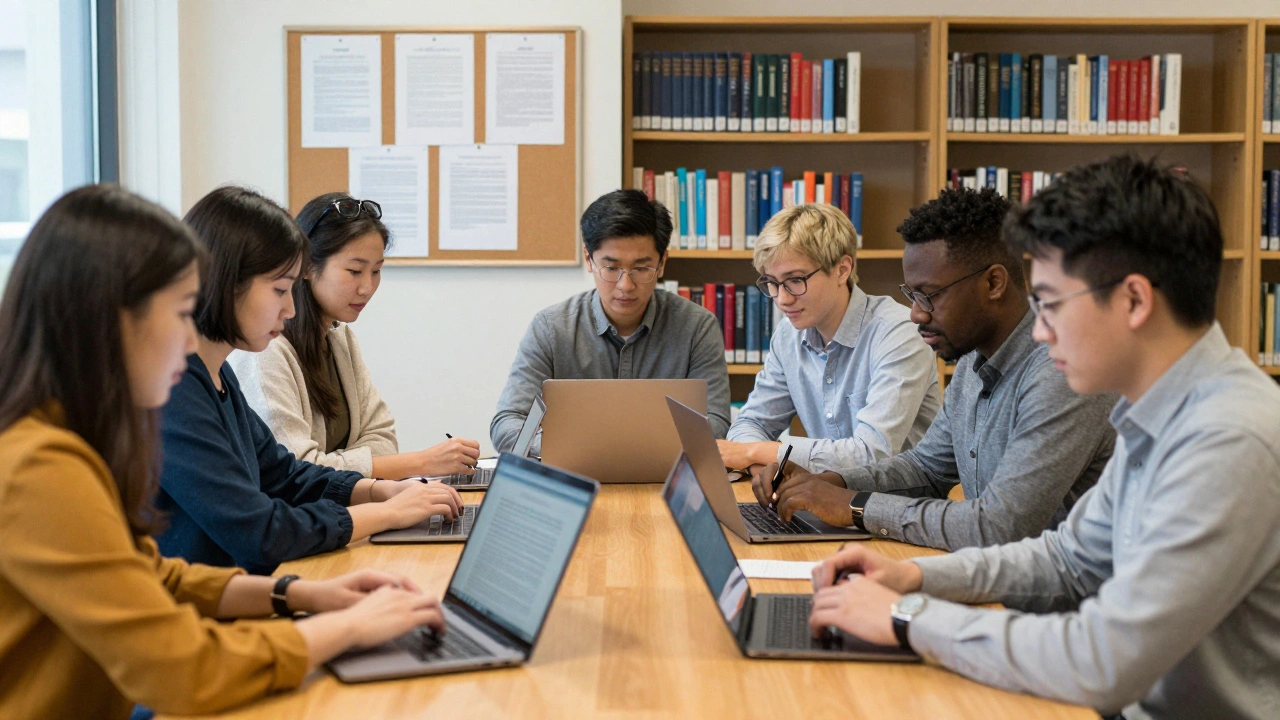
Starting in 2018, a handful of universities and Wikimedia chapters began running formal fellowships to connect academics with Wikipedia. These aren’t internships. They’re paid, structured roles with clear goals: train scholars to edit Wikipedia, support them with mentorship, and ensure their contributions are preserved and cited.
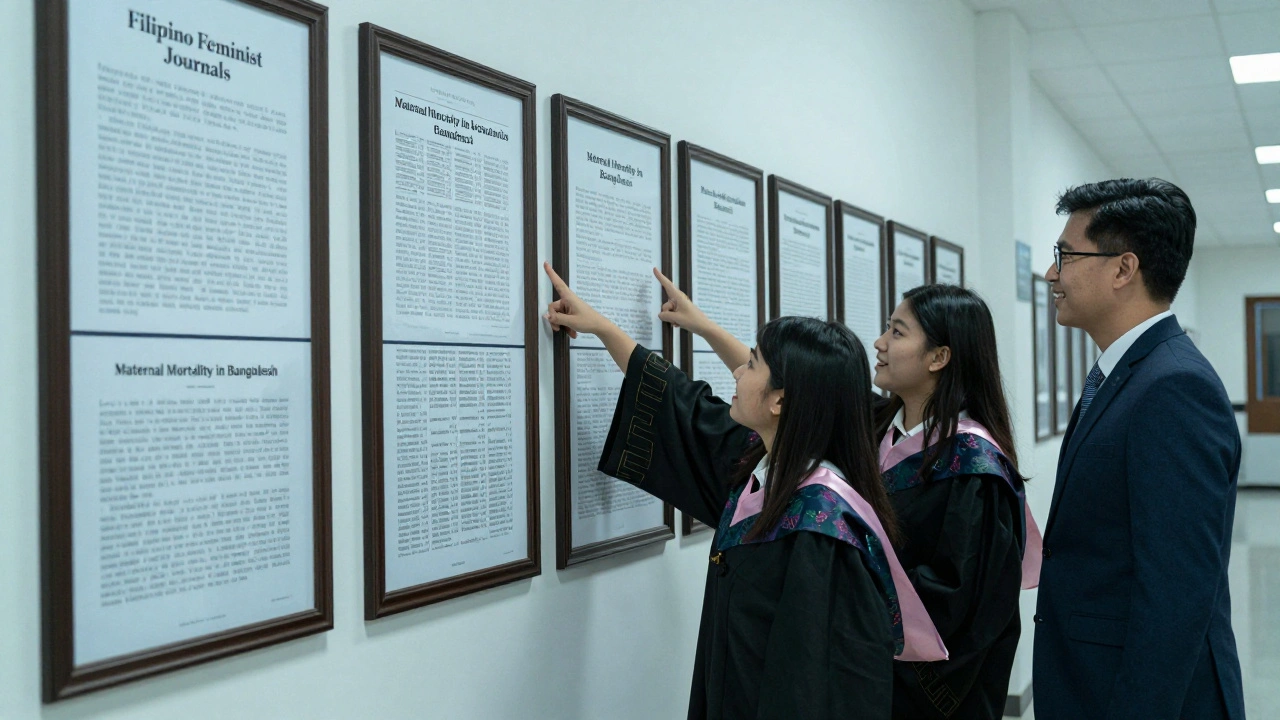
The Wikipedia Fellowship Program at the University of Edinburgh was one of the first. It brought in 12 historians, biologists, and linguists for six months. Each fellow was assigned a Wikipedia mentor and given 10 hours a week to edit. By the end of the program, they had created 47 new articles and improved 138 existing ones. Half of those articles were on topics previously missing from Wikipedia - like medieval Irish textile techniques or early 20th-century Filipino feminist journals.
At Stanford, the fellowship tied editing to graduate credit. Students in public health wrote Wikipedia entries on global vaccination disparities. Their work didn’t just fill gaps - it became a primary source for WHO outreach materials in low-income countries. One student’s article on maternal mortality in rural Bangladesh was translated into Bengali and used by local NGOs.
These aren’t isolated cases. By 2025, over 80 universities worldwide had launched similar programs. The Wikimedia Foundation tracks participation and found that fellows are 3.5 times more likely to keep editing after their fellowship ends than casual academic contributors.
Who’s Being Left Out - And Who’s Being Reached
Before these programs, Wikipedia’s editor base was 88% male, according to Wikimedia’s 2024 demographic report. The average editor was 34 years old, lived in North America or Western Europe, and had a background in computer science or journalism.
Fellowships are shifting that. In 2023, fellows from the Global South made up 41% of new academic contributors - up from just 9% in 2019. Women accounted for 57% of fellows in the U.S. and Europe. In Latin America, over 60% of fellows were first-generation college students.
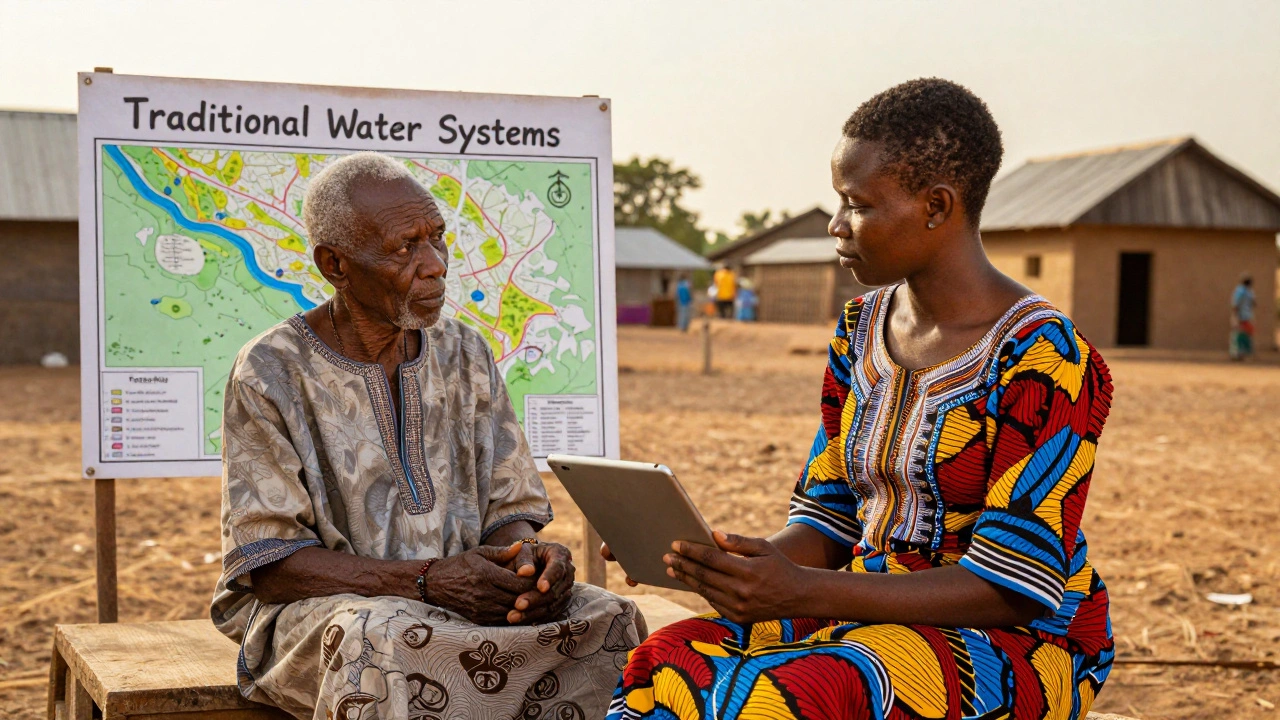
One fellow from Nigeria, a PhD candidate in environmental policy, spent her fellowship writing articles on traditional water management systems in the Niger Delta. Her edits weren’t just technical - they included oral histories collected from local elders. Those articles are now cited in UNESCO reports and used in high school curricula across West Africa.
This isn’t about adding more names to a list. It’s about expanding the kinds of knowledge that count. When academics from marginalized communities edit Wikipedia, they don’t just add facts - they challenge what counts as credible, authoritative, and worthy of preservation.
What Makes a Fellowship Work
Not all academic-Wikipedia programs succeed. The ones that do share a few key traits.
- They’re not volunteer-only. Paying fellows - even modestly - signals that this work matters. It also removes the barrier of "I don’t have time."
- They have trained mentors. Wikipedia veterans who understand academic writing are critical. They help fellows navigate policies without dumbing down content.
- They connect editing to academic goals. Whether it’s credit, a letter of recommendation, or inclusion in a CV, fellows need to know this counts.
- They protect contributors. When edits are reverted, fellows get support - not just a template message. The University of Cape Town’s program has a legal advisor who helps fellows respond to copyright disputes or harassment.
The University of Toronto’s fellowship includes a "Wikipedia publication" option. Fellows can submit their edited articles as part of their thesis appendix. The university library archives them under a DOI, making them citable like any other academic output.
The Ripple Effect
When academics start editing Wikipedia, it changes more than the articles. It changes how they see knowledge.
One professor at the University of Melbourne told her students: "I used to think Wikipedia was a waste of time. Now I assign my students to fix its gaps. I’ve seen how a single edit can reach someone in a village with no library - and change how they understand their own history. That’s impact."
And it’s spreading. Students who complete fellowships often go on to train others. Some start their own campus chapters. A group of fellows from India launched a multilingual Wikipedia editing workshop for rural teachers. It now reaches over 5,000 educators.
Wikipedia isn’t replacing academic publishing. But it’s becoming a bridge. A place where peer-reviewed research meets public understanding. Where knowledge doesn’t die in a locked journal - it lives, grows, and gets translated into languages, contexts, and formats no university ever planned for.
What’s Next
The next phase isn’t just about more fellowships. It’s about integration. Can universities require Wikipedia editing as part of graduate training? Can funding agencies like the NIH or EU Horizon require grantees to summarize their findings on Wikipedia? Can tenure committees start recognizing edited articles as public scholarship?
Some are already trying. The University of California system now includes Wikipedia contributions in its promotion guidelines for public engagement. The British Academy added a category for "digital knowledge sharing" in its 2025 research impact awards.
Wikipedia’s future won’t be written by bots or algorithms. It’ll be written by the people who know the most - and who finally feel welcome to share it.
Do academic Wikipedia edits count toward tenure?
Most universities still don’t formally count Wikipedia edits for tenure. But that’s changing. Institutions like the University of California and the University of Edinburgh now recognize Wikipedia contributions as public scholarship in promotion reviews - especially when they’re documented, cited, and tied to research impact. Some departments allow fellows to submit their edited articles as part of their dossier.
Can anyone apply for a Wikipedia fellowship?
Most fellowships target graduate students, postdocs, and early-career academics. Some are open to independent scholars or librarians with subject expertise. Applications usually require a sample edit, a proposed topic, and a statement on why the topic matters. Programs often prioritize underrepresented fields and contributors from the Global South.
Are Wikipedia edits by academics more reliable?
Not automatically - but they’re often more thorough. Academic fellows typically cite peer-reviewed sources, avoid overgeneralizations, and include context that casual editors miss. A 2024 analysis by the Wikimedia Research Team found that articles edited by fellows had 40% more citations and 30% fewer neutrality disputes than similar articles edited by non-academics.
How long do Wikipedia fellowships last?
Most last between 3 and 6 months, with fellows dedicating 8-12 hours per week. Some are semester-long with academic credit. Others run annually as part of a research grant. The most successful programs offer ongoing mentorship after the formal period ends.
What if my academic work is too complex for Wikipedia?
That’s why mentorship matters. Fellows learn how to distill complex ideas without oversimplifying. They’re taught to write for a general audience - not to dumb things down, but to make them accessible. For example, a paper on quantum entanglement might become a Wikipedia article explaining how particles connect across space, with analogies and real-world examples. The goal isn’t to replace the journal article - it’s to make it understandable to the public.