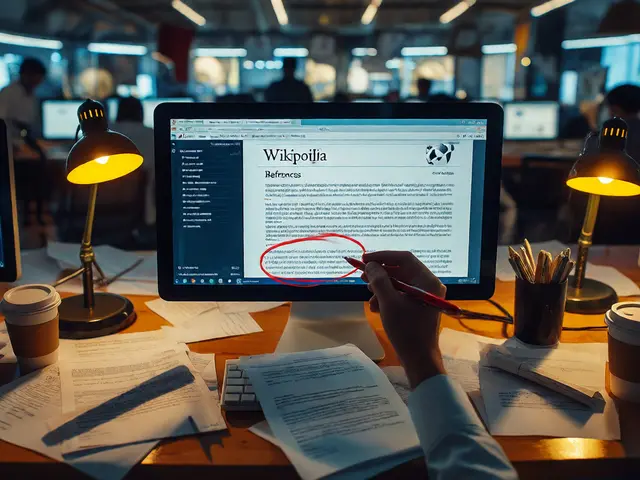
You know the problem. Everyone wants to train a large language model (LLM) that understands human nuance, but scraping random blog posts or Twitter feeds gives you noise, bias, and legal headaches. Wikipedia is often seen as the gold standard for open, neutral, and comprehensive knowledge, yet using it directly for AI training isn't as simple as hitting "download." If you dump raw wiki text into a neural network without cleaning, you end up with models that hallucinate facts from outdated edits or inherit systemic biases from underrepresented regions.
The real challenge isn't just getting the data; it's building a pipeline that respects the license, filters out vandalism, and ensures the resulting dataset is actually useful for modern AI tasks. Whether you are a developer trying to fine-tune a local model or a researcher aiming for transparency, here is how you build an ethical, high-quality dataset from Wikipedia in 2026.
Why Wikipedia Is Still the Best Source for Open AI
Let’s be honest: most proprietary datasets are black boxes. You don’t know what went into them, which makes auditing for bias nearly impossible. Wikipedia offers something rare: a massive, structured corpus that is licensed under the Creative Commons Attribution-ShareAlike (CC BY-SA) license. This means you can use it commercially, provided you attribute the authors and share your derivatives under the same license.
But "using" Wikipedia requires more than just copying text. The platform contains over 60 million articles across 300+ languages. For AI training, this breadth is critical. However, not all articles are equal. A stub article about a minor village in Vermont has different informational density than a featured article on Quantum Mechanics. Your first job is to decide what kind of knowledge you need. Are you looking for factual QA pairs? Summarization capabilities? Or general conversational ability?
Here’s the catch: Wikipedia is written by humans, for humans. It uses references, footnotes, and internal links that confuse raw text parsers. An AI model trained on raw wikitext might learn that "[citation needed]" is a valid sentence ending. That’s why preprocessing is where the magic-and the ethics-happen.
The Data Pipeline: From Raw Dump to Clean Corpus
You start with the database dumps. Wikimedia Foundation releases these monthly. They are huge-terabytes of compressed XML. Don’t try to load this into RAM unless you have a supercomputer. Use streaming parsers like `wikimedia/dumps` tools or Python libraries like `mwxml`.
Once you have the raw text, you need to strip away the non-content elements. This includes:
- Navigation templates: Sidebar menus and category lists that clutter the context window.
- Citation markers: Those little [1], [2] numbers that break sentence flow.
- Metadata: Edit histories and user signatures, unless you’re specifically modeling authorship style.
A common mistake is removing too much structure. Tables, for instance, are rich sources of structured data. Instead of flattening them into plain text, convert them into Markdown or JSON formats. Modern LLMs handle structured inputs better than unstructured blobs. If you’re training a model to answer questions like "What is the population of France?", keeping the table structure intact helps the model associate headers with values.
Ethical Safeguards: Filtering Bias and Vandalism
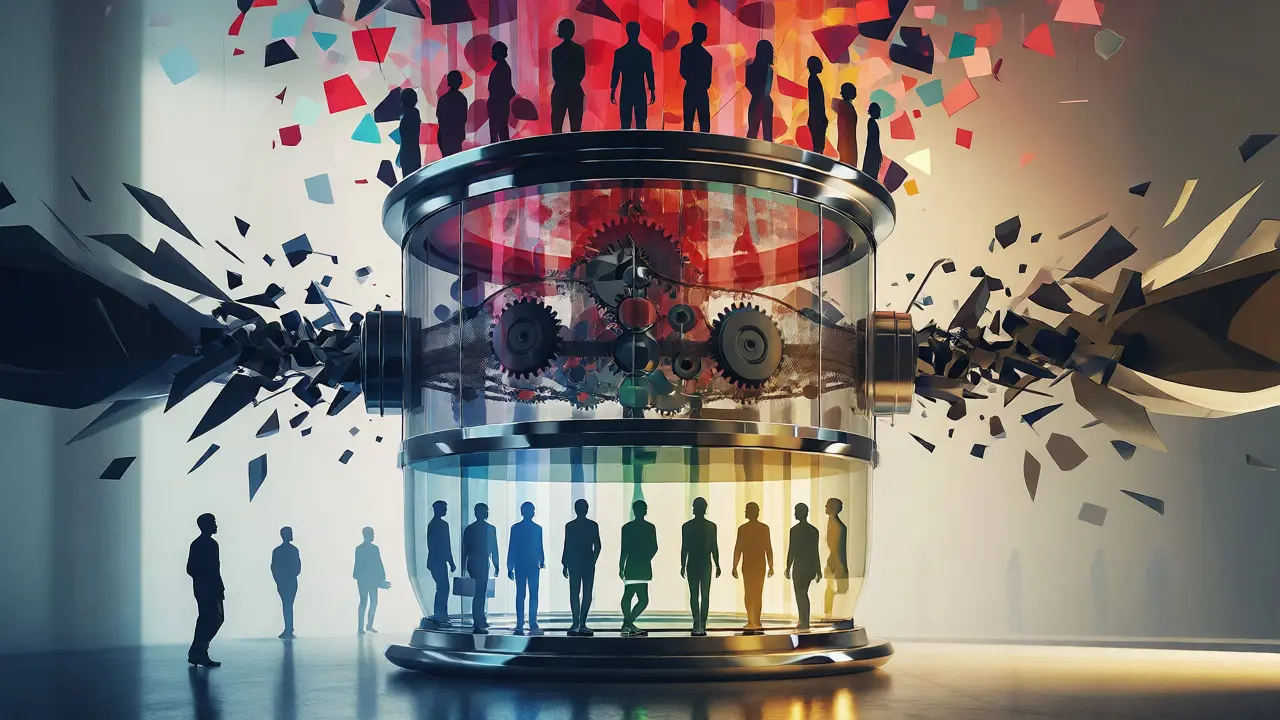
This is where most projects fail. Wikipedia is crowdsourced, which means it’s prone to two things: vandalism and systemic bias. Vandalism is easy to spot if you filter by recent changes, but systemic bias is subtle. Studies show that Wikipedia articles about women and people of color are often shorter and less cited than those about white men. If you train on this data without adjustment, your AI will replicate these disparities.
To fix this, implement a multi-stage filtering process:
- Quality Scoring: Use ORES (Objective Revision Evaluation Service) scores or similar heuristics to rank articles by quality. Discard "stub" class articles unless you need breadth over depth.
- Bias Detection: Run sentiment analysis or demographic tagging on entities mentioned. If your dataset is 80% male-centric topics, downsample popular male subjects or oversample underrepresented ones.
- Vandalism Removal: Filter out revisions flagged as damaging by community bots. Keep only the stable, long-term versions of articles.
Also, consider the "right to be forgotten." While Wikipedia doesn’t delete pages easily, individuals do request removals. Ensure your snapshot date is recent enough to reflect current consensus. In 2026, privacy laws are stricter, so anonymizing personal data within biographical articles is crucial. Replace specific names with placeholders if the individual is not a public figure of historical significance.
Handling Licensing and Attribution Properly
The CC BY-SA license is viral. If you modify Wikipedia content and distribute your model, you must comply with attribution rules. This doesn’t mean listing every editor in your app’s footer (that would be millions of names). Instead, provide a clear link to the source articles used during training. For commercial products, this usually involves a "Data Sources" page linking to the specific Wikipedia snapshots used.
Be careful with non-free images. Many Wikipedia articles contain copyrighted images that are fair-use only. Exclude image files from your text dataset entirely. Focus on the text layer. If you need visual data, look into separate open-source image repositories like Flickr Commons, but keep them distinct from your text corpus to avoid licensing tangles.
| Strategy | Data Retention | Computational Cost | Ethical Risk |
|---|---|---|---|
| Raw Wikitext | High | Low | High (Noise/Bias) |
| Structured Extraction | Medium | High | Medium (Requires Validation) |
| Filtered & Balanced | Low-Medium | Very High | Low (Curated) |

Technical Implementation Tips
If you’re coding this in Python, `pywikibot` is still the go-to library for interacting with MediaWiki APIs. For bulk processing, however, direct SQL queries against a local MySQL dump of the Wikipedia database are faster. Store the cleaned text in a columnar format like Parquet. This allows for efficient slicing when you want to train on only medical articles or only history sections.
One pro tip: create "synthetic" question-answer pairs from the text. Take a paragraph, mask a key entity, and ask the model to predict it. This self-supervised learning approach leverages Wikipedia’s inherent structure without needing manual annotation. Tools like Hugging Face’s `datasets` library make it easy to stream these processed shards directly into your training loop.
Common Pitfalls to Avoid
Don’t ignore inter-language links. English Wikipedia is great, but it’s culturally specific. If you’re building a global AI, mix in data from other language editions. But beware: translation quality varies. Machine-translated articles in smaller wikis often lack the nuance of native writing. Stick to high-quality translations or original content.
Another trap is over-filtering. If you remove every article with a single citation, you’ll lose valuable niche knowledge. Balance is key. Aim for a dataset that reflects both broad consensus and specialized expertise. Remember, the goal is an AI that knows things, not just one that repeats popular headlines.
Finally, document your decisions. Why did you exclude certain categories? How did you define "high quality"? Transparency builds trust. When users ask why your AI said something odd, you should be able to trace it back to a specific dataset slice.
Can I use Wikipedia data for commercial AI models?
Yes, because Wikipedia content is licensed under CC BY-SA. However, you must provide proper attribution and share any derivative works under the same license. Always check the specific terms for media files, as images may have different copyrights.
How do I handle outdated information in Wikipedia dumps?
Use the most recent database dump available. Additionally, filter articles based on their last revision date. You can also cross-reference facts with newer, authoritative sources if accuracy is critical for your application.
What is the best way to filter vandalism?
Utilize metadata flags provided by Wikimedia, such as the 'damaging' score from ORES. Excluding revisions marked as damaging significantly reduces noise. Manual review of top-edited articles can also help identify persistent issues.
Does using Wikipedia introduce cultural bias?
Yes, Wikipedia has known biases toward Western perspectives and well-known figures. To mitigate this, balance your dataset by sampling equally from different geographic regions and demographics, or apply re-weighting techniques during training.
How large is a typical Wikipedia dataset for AI training?
The English Wikipedia text alone is several terabytes uncompressed. After cleaning and formatting, it typically yields hundreds of gigabytes of usable tokens. Smaller subsets focused on specific domains can fit on consumer hardware.