German Wikipedia isn’t just the largest non-English Wikipedia. It’s the most tightly controlled, heavily policed, and surprisingly rigorous version of Wikipedia in the world. While English Wikipedia has over 6 million articles and a sprawling, open-editing culture, German Wikipedia holds the line with fewer articles-just over 2.8 million-but a reputation for precision that rivals academic publishing. How? It’s not magic. It’s policy, culture, and a community that treats accuracy like a sacred duty.
Strict Editing Rules That Actually Work
On German Wikipedia, you can’t just edit a page and hit save. You need to follow a set of rules that would feel overbearing to editors on other language versions. One of the most famous is the Verifiability rule. Sources aren’t just encouraged-they’re required for every factual claim. A sentence like "The Berlin Wall fell in 1989" might seem obvious, but if it’s not backed by a published, reliable source, it gets flagged. No exceptions.
And it’s not just about citing. The sources themselves must meet strict criteria. Wikipedia’s own guidelines ban blogs, forums, and personal websites. Even reputable newspapers like the Frankfurter Allgemeine Zeitung are sometimes rejected if they’re seen as opinion-heavy. Instead, German Wikipedia editors favor academic journals, official government publications, and peer-reviewed studies. If you’re writing about climate change, you better have a study from the Intergovernmental Panel on Climate Change (IPCC), not a news summary.
The Patrol System: A Community of Watchdogs
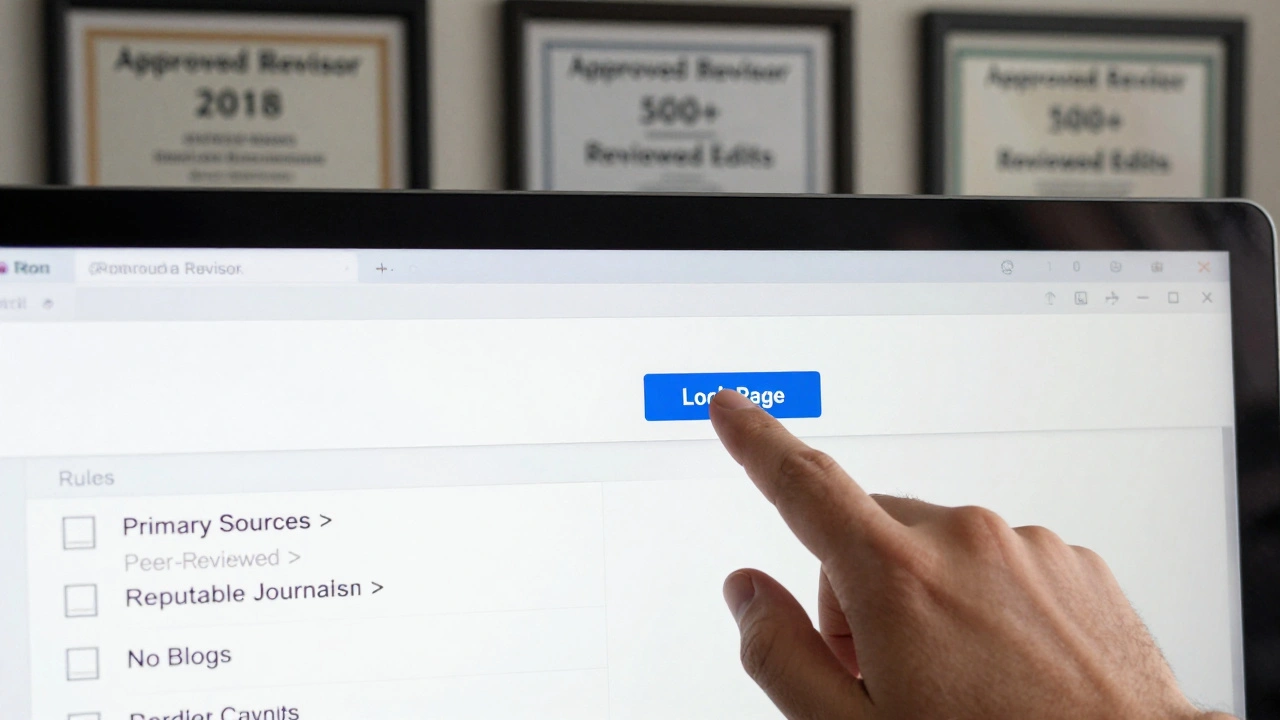
German Wikipedia doesn’t rely on bots or automated tools alone. It has a network of volunteer editors-called Revisoren-who are specially trained and granted extra powers. These aren’t casual contributors. They’re people who have spent months, sometimes years, learning the rules. To become a Revisor, you need to pass a written test, show a history of high-quality edits, and be approved by a vote of the community. Once approved, they can lock pages, block vandals, and remove content without needing approval from others.
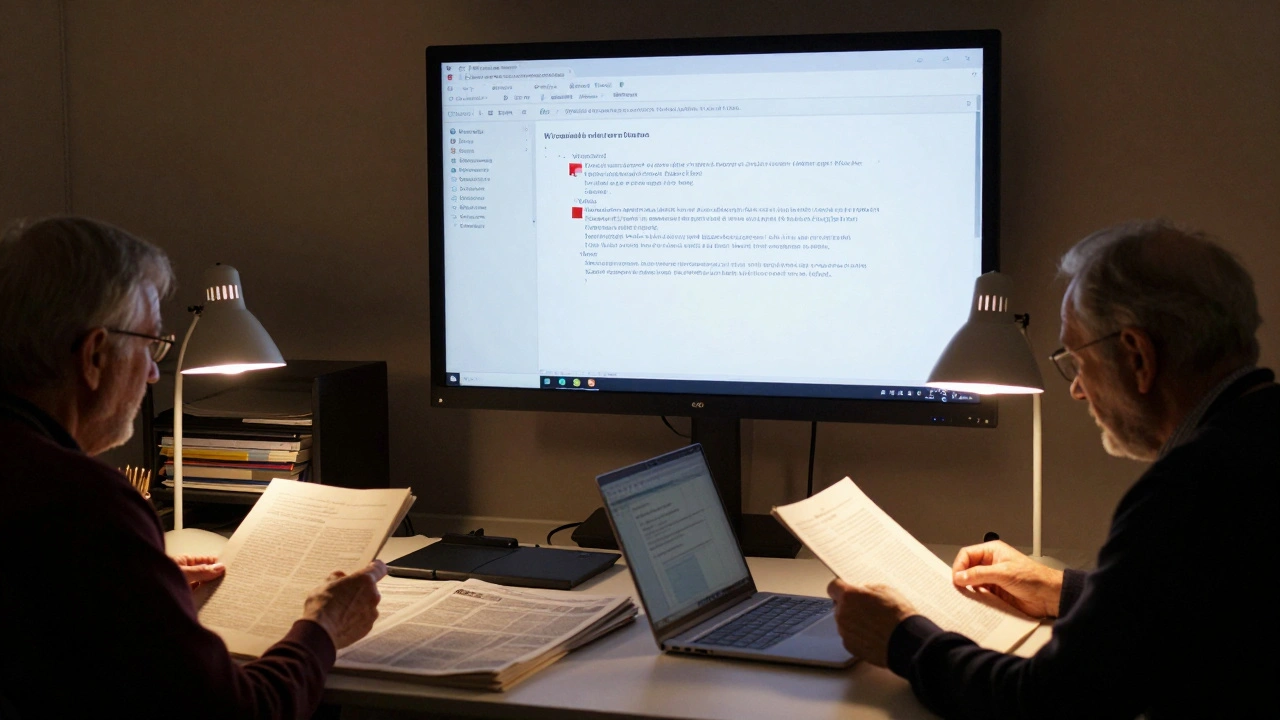
Every new edit on a protected article gets reviewed by at least one Revisor before it goes live. That means a simple typo fix might take hours to go through. But it also means that misinformation rarely slips through. A 2023 study by the University of Hamburg found that German Wikipedia had 60% fewer factual errors than English Wikipedia on topics like medical science and historical events. The reason? Every edit is treated like a legal document.
Policy Over Popularity
On many Wikipedia versions, popular opinion drives content. If enough people think something is true, it stays. Not on German Wikipedia. The community follows a policy called Wikipedia:Neutraler Standpunkt (Neutral Point of View), but it’s enforced with a level of discipline that’s rare elsewhere. If a topic is controversial-like the legacy of German colonialism or the causes of World War I-editors don’t vote. They don’t debate. They follow a strict hierarchy of evidence.
First: primary sources. Official documents, letters, treaties. Second: peer-reviewed academic work. Third: major historical publications. Fourth: reputable journalism. Opinion pieces, social media, and YouTube videos? Irrelevant. This system means that articles on sensitive topics often look dry, even boring. But they’re also some of the most accurate on the entire platform.
Less Is More
German Wikipedia doesn’t chase volume. It chases precision. While English Wikipedia has pages on every minor celebrity, obscure video game, and local restaurant, German Wikipedia has strict notability guidelines. To get a page, a person, company, or event must have been covered in at least three independent, high-quality sources over a period of time. No single news article counts. No blog post. No press release.
As a result, German Wikipedia has fewer articles-but each one is deeper. The article on Adolf Hitler is 42,000 words long, with 872 citations. The article on Quantum Mechanics includes detailed explanations of mathematical formulations, not just summaries. It’s not designed for quick browsing. It’s designed for serious study.
The Cost of Perfection
None of this comes without trade-offs. The strict rules mean that German Wikipedia struggles with participation. The number of active editors has dropped by 35% since 2015. New contributors find the system intimidating. A 2024 survey by the Wikimedia Foundation showed that 72% of new editors on German Wikipedia gave up after their first edit was reverted. Many said they felt "treated like a vandal."
There’s also a cultural bias. Because German Wikipedia relies so heavily on academic and government sources, it tends to reflect the perspectives of white, male, middle-class scholars. Topics like gender studies, non-European history, or grassroots activism often get underrepresented. Some editors argue that this isn’t neutrality-it’s institutional silence.
Why It Matters
German Wikipedia proves that high-quality information isn’t accidental. It’s built. It’s maintained. It’s defended. In an age where misinformation spreads faster than facts, its model offers a rare example of what’s possible when a community commits to rigor over speed.
It’s not perfect. It’s not easy. But it’s real. And for millions of students, researchers, and curious readers across Europe, it’s the most trustworthy encyclopedia they’ve ever used.
Why does German Wikipedia have fewer articles than English Wikipedia?
German Wikipedia prioritizes depth over breadth. To create an article, a topic must be covered by at least three independent, high-quality sources over time. This strict notability standard prevents low-quality or trivial topics from being added, which keeps the encyclopedia focused and reliable. As a result, German Wikipedia has around 2.8 million articles compared to English Wikipedia’s 6.7 million.
Are German Wikipedia editors more experienced than those on other language versions?
Yes, on average. German Wikipedia requires editors to pass a formal review process before gaining advanced editing rights. These editors, called Revisoren, must demonstrate a history of accurate edits and knowledge of policy before being granted privileges like page protection and user blocking. This creates a smaller but more skilled editing pool. While English Wikipedia has more total editors, German Wikipedia’s active core is significantly more experienced and consistent.
Can anyone edit German Wikipedia?
Yes, anyone can edit. But edits to protected articles are reviewed by trained editors before going live. New users often find their changes reverted if they don’t cite sources properly or follow formatting rules. This isn’t meant to block participation-it’s meant to ensure quality. Many new editors leave because they don’t understand the expectations, not because they’re banned.
Is German Wikipedia more accurate than other versions?
Studies suggest it is. A 2023 analysis by the University of Hamburg compared medical and historical articles across language versions and found German Wikipedia had 60% fewer factual errors than English Wikipedia. This is largely due to its strict sourcing rules, mandatory citations, and the Revisor system that reviews every change on key articles.
Why does German Wikipedia reject popular sources like newspapers?
German Wikipedia doesn’t reject newspapers outright-it rejects opinion-driven or uncritical reporting. Outlets like Der Spiegel or Süddeutsche Zeitung are accepted if they report facts with evidence. But if an article is primarily commentary, analysis, or editorializing, it’s considered unreliable. The goal is to use sources that state facts, not interpret them. This is why academic journals and official documents are preferred.